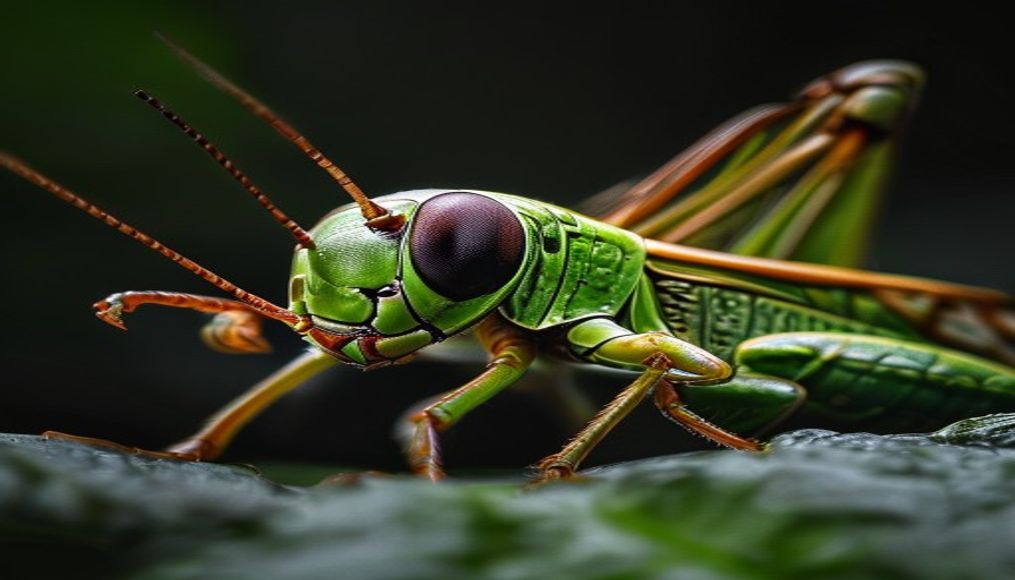
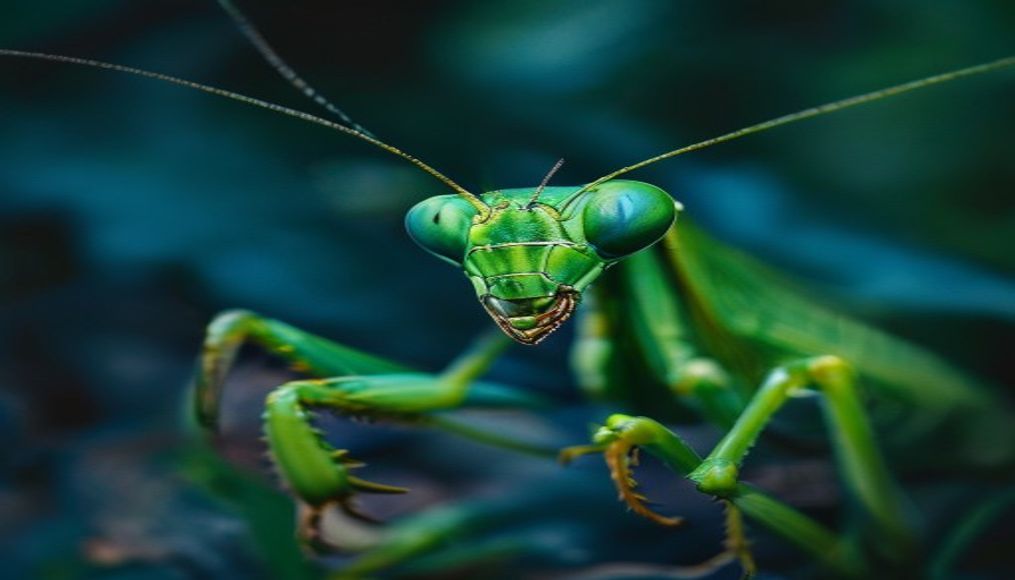
Praying mantis green macro
1344×768 · AVIF · CC BY 4.0
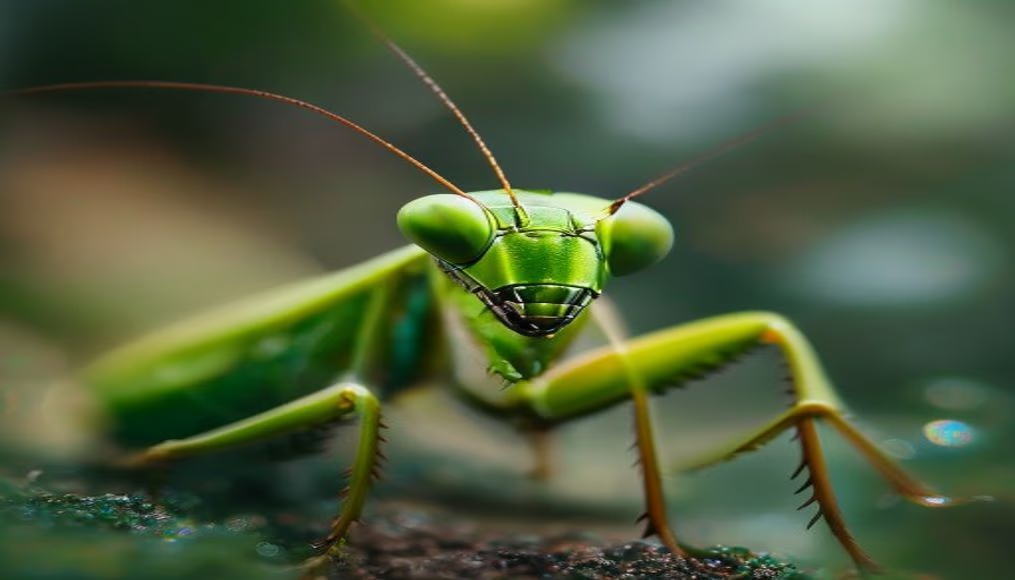
The praying mantis is a predatory insect famous for its 'praying' posture and camouflage skills, playing a key role in biological pest control.
About this subject
The praying mantis, also known as mantis religiosa, belongs to the order Mantodea, comprising over 2,400 species worldwide, mainly in tropical and subtropical regions. Its name derives from the posture of its front legs, which resemble hands in prayer. This insect is a voracious predator, feeding on flies, crickets, grasshoppers, and even small vertebrates like lizards. Camouflage is its primary hunting strategy: the elongated body and green or brown coloration allow it to blend seamlessly into leaves and branches, remaining motionless until prey approaches.
A striking feature is sexual cannibalism: the female often devours the male after or during mating to obtain additional nutrients for egg production. The oothecae, frothy structures that protect the eggs, are typically attached to stems and trunks. Development is incomplete, with nymphs resembling wingless adults. The praying mantis has a triangular head and large compound eyes capable of rotating 180 degrees, providing exceptional binocular vision for calculating attack distances.
Culturally, the praying mantis symbolizes patience and focus in many societies, revered in Chinese folklore and African traditions. Despite its name, it is unrelated to religious practices; the designation is purely descriptive. In Brazil, it is common in gardens and rural areas, contributing to ecological balance by controlling herbivorous insect populations. The most well-known species is Mantis religiosa, introduced to North America and found worldwide.
Frequently Asked Questions
Is the praying mantis poisonous?
No. The praying mantis does not produce venom or toxins. Its bite can be painful to humans but is not dangerous. It captures prey using its spiny front legs.
How many eyes does a praying mantis have?
It has two large compound eyes and three simple ocelli on top of the head. The compound eyes provide binocular vision and motion detection across a wide field of view.
Why is the praying mantis important in gardens?
It is a beneficial predator that controls pests like aphids, caterpillars, and flies. Many gardeners encourage mantises as a natural alternative to chemical pesticides.
Direct URL
https://pub-c7d6a6ea828543ac903a74a341ccb2e1.r2.dev/imagens/praying-mantis-green-macro-tilt-shift-miniature-p0.avifHow to credit
Include a visible link back to UtilizAí. Copy one of the snippets below:
<a href="https://xn--utiliza-eza.com/en/midia/imagens/praying-mantis-green-macro-tilt-shift-miniature-p0">Praying mantis green macro</a> by <a href="https://xn--utiliza-eza.com">UtilizAí</a>, licensed under <a href="https://creativecommons.org/licenses/by/4.0/">CC BY 4.0</a>.
[Praying mantis green macro](https://xn--utiliza-eza.com/en/midia/imagens/praying-mantis-green-macro-tilt-shift-miniature-p0) by [UtilizAí](https://xn--utiliza-eza.com), CC BY 4.0
License: CC-BY-4.0