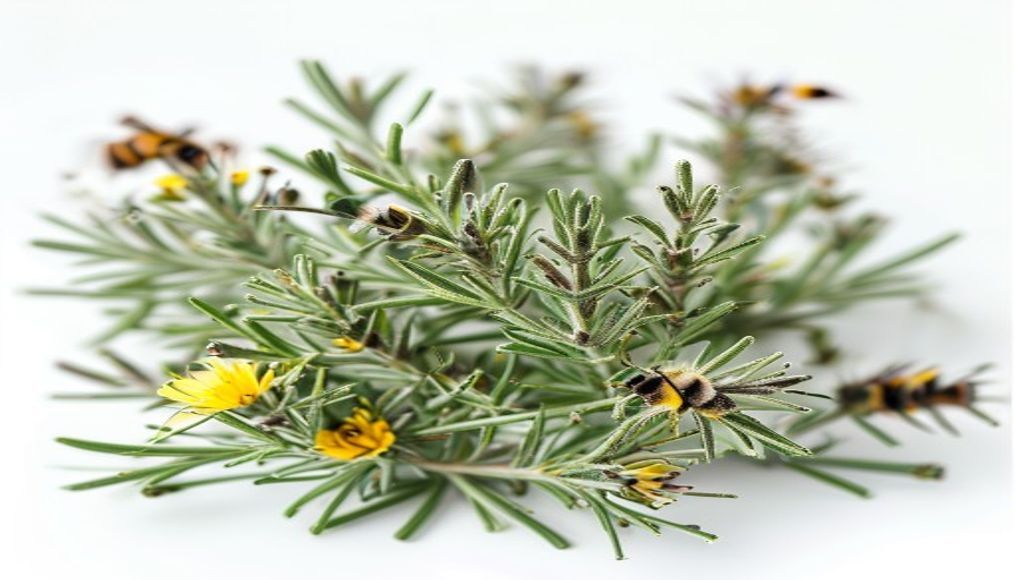
Pollen baskets bee leg
1344×768 · AVIF · CC BY 4.0
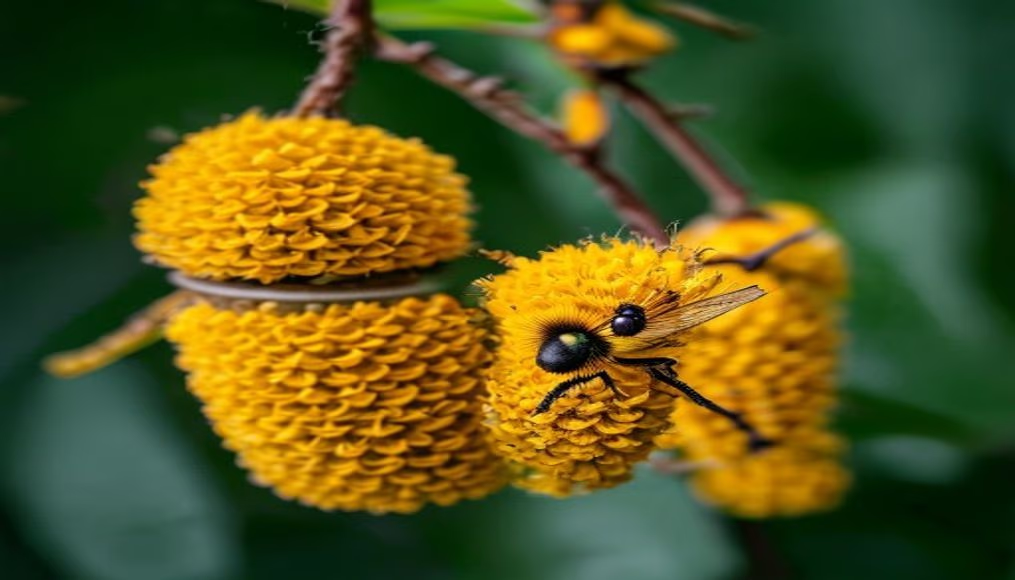
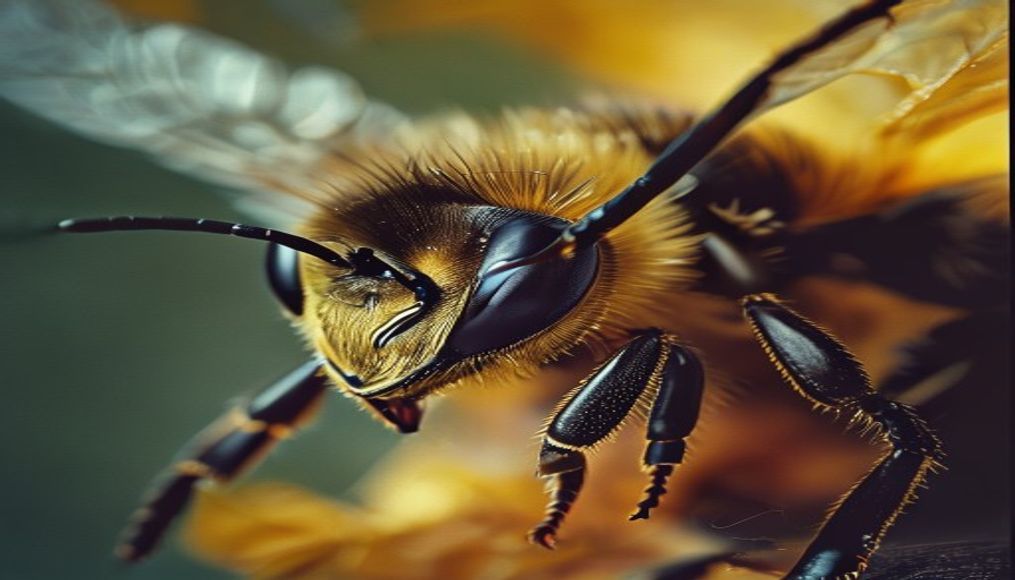
Pollen baskets on bee legs are specialized structures for collecting and transporting pollen, essential for pollination.
About this subject
Pollen baskets, scientifically known as corbiculae, are adaptations found on the tibiae of the hind legs of female bees, particularly in social species like the honey bee (Apis mellifera) and bumblebees (Bombus spp.). Unlike most insects that carry pollen stuck to their bodies, bees with corbiculae have a smooth concavity surrounded by rigid hairs. During collection, the bee moistens the pollen with nectar or saliva, forming small balls that are pressed into the basket and held in place by the hairs. A single worker bee can carry up to 20 milligrams of pollen per trip, equivalent to about one-third of its body weight.
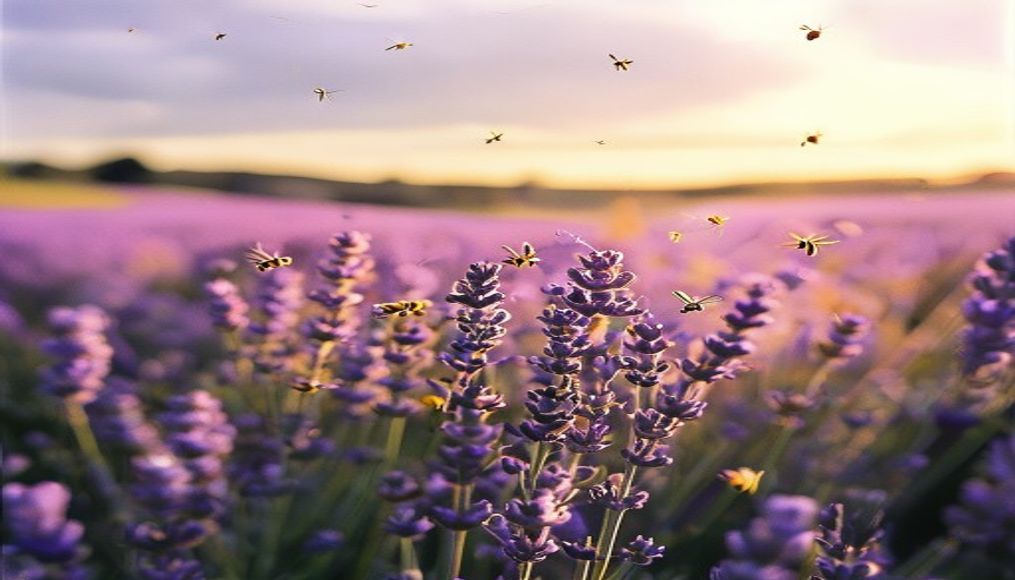
The importance of pollen baskets extends beyond colony nutrition. Pollen is the primary source of proteins, lipids, vitamins, and minerals for larvae and adult bees. By transporting pollen from flower to flower, bees perform cross-pollination, crucial for the reproduction of about 75% of cultivated plants and 90% of wild plants worldwide. Without this mechanism, food production for crops like apples, almonds, coffee, and tomatoes would be drastically reduced.
Interestingly, not all bees have pollen baskets. Solitary bees, such as those in the genus Megachile, transport pollen in hairs located on the abdomen, called scopae. Stingless bees (Meliponini), common in Brazil, also possess corbiculae, but with slightly different structures and collection behaviors. Observing a bee with its hind legs laden with colorful pollen balls is a clear sign of intense foraging activity and colony health.
In the context of beekeeping and environmental conservation, understanding pollen baskets helps monitor floral resource availability and bee pollination efficiency. Techniques like using pollen traps at the hive entrance allow beekeepers to harvest this valuable byproduct, rich in nutrients and used as a human dietary supplement. National Geographic often features detailed images of these structures to illustrate the complexity of bee behavior and their ecological importance.
Frequently Asked Questions
What are pollen baskets on bees?
They are structures on the hind legs of female bees, consisting of a smooth concavity surrounded by hairs. They serve to transport pollen collected from flowers back to the hive, where it is used as food.
Do all bees have pollen baskets?
No. Social bees like honey bees and bumblebees have pollen baskets, but solitary bees often carry pollen in abdominal hairs (scopae). Stingless bees also have corbiculae, with some variations.
Why are pollen baskets important for pollination?
They allow bees to carry large amounts of pollen efficiently, enabling cross-pollination. This is essential for the reproduction of many cultivated and wild plants, vital for agriculture and ecosystems.
Direct URL
https://pub-c7d6a6ea828543ac903a74a341ccb2e1.r2.dev/imagens/pollen-baskets-bee-leg-national-geographic-style-p2.avifHow to credit
Include a visible link back to UtilizAí. Copy one of the snippets below:
<a href="https://xn--utiliza-eza.com/en/midia/imagens/pollen-baskets-bee-leg-national-geographic-style-p2">Pollen baskets bee leg</a> by <a href="https://xn--utiliza-eza.com">UtilizAí</a>, licensed under <a href="https://creativecommons.org/licenses/by/4.0/">CC BY 4.0</a>.
[Pollen baskets bee leg](https://xn--utiliza-eza.com/en/midia/imagens/pollen-baskets-bee-leg-national-geographic-style-p2) by [UtilizAí](https://xn--utiliza-eza.com), CC BY 4.0
License: CC-BY-4.0