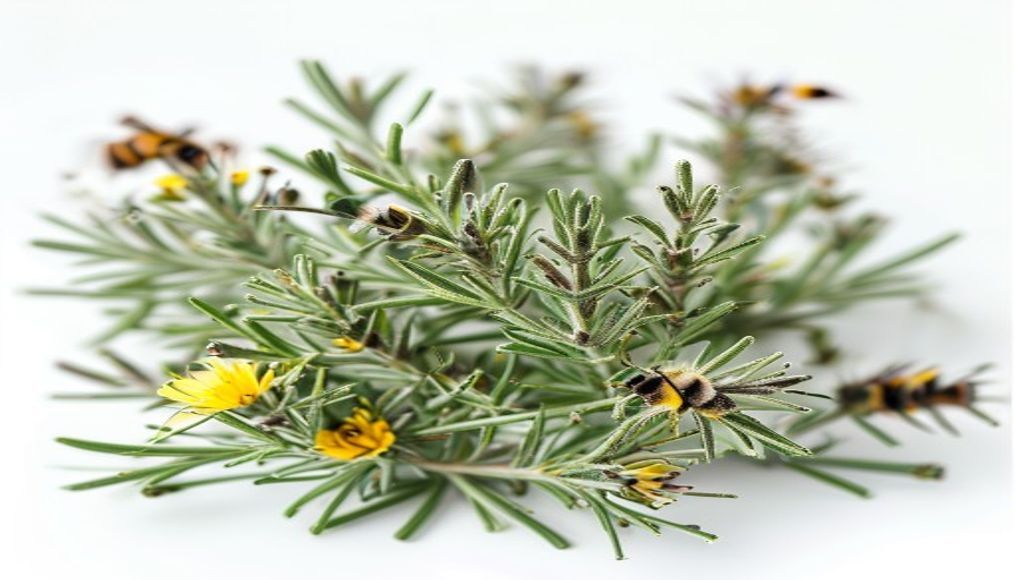
Pollen baskets bee leg
1344×768 · AVIF · CC BY 4.0
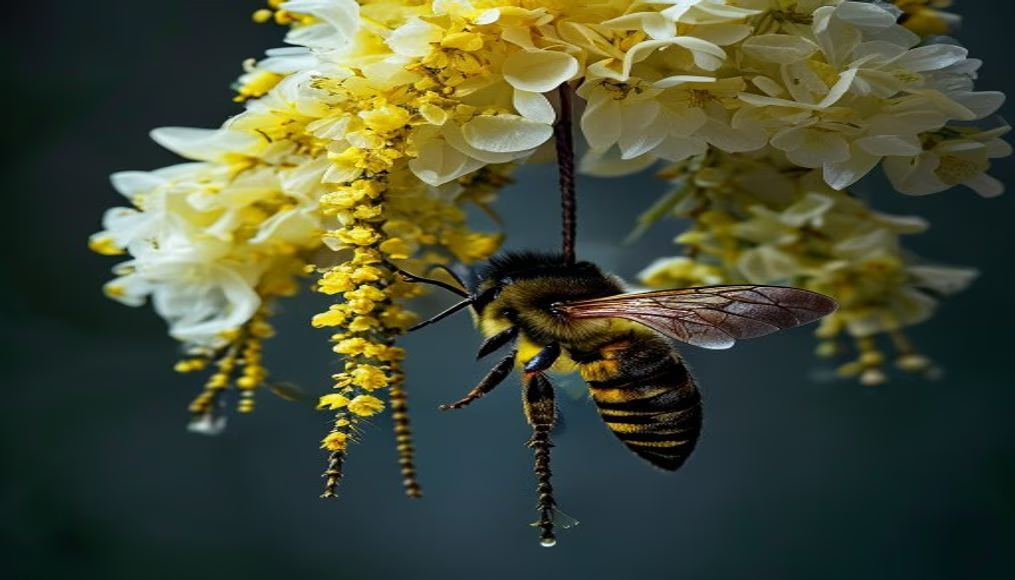
The pollen baskets on the hind legs of worker bees are specialized structures that enable them to transport large amounts of pollen back to the hive, crucial for pollination and bee bread production.
About this subject
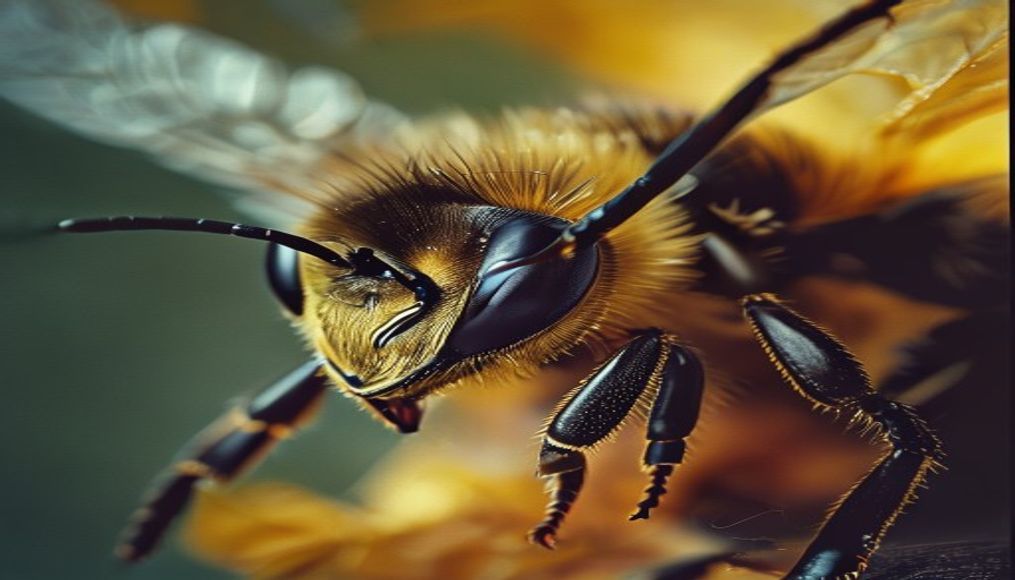
Pollen baskets, technically called corbiculae, are specialized structures located on the tibiae of the hind legs of worker honey bees (Apis mellifera). Unlike other insects, bees lack hairs in this area, forming a concave surface bordered by stiff hairs that hold the pollen. During flight, the bee collects pollen from flowers using its front and middle legs, moistens it with nectar or saliva, and transfers it to the corbiculae, forming a compact, colorful ball that can contain millions of pollen grains.
The pollen carried in the baskets is not just food for the foraging bee: in the hive, it is stored and transformed into bee bread, a fermented mixture of pollen, honey, and enzymes that serves as the primary protein source for larvae and young bees. A single honey bee colony can collect 20 to 50 kg of pollen per year, depending on flower availability and climate. This activity is vital for plant pollination, as pollen sticks to bees and is transferred between flowers, ensuring the reproduction of about 75% of global food crops.
The corbicula is an evolutionary adaptation specific to Apis bees and some stingless bee species (meliponines). In contrast, drones (males) lack these structures because they do not collect pollen. The color of pollen loads varies with the floral source: they can be yellow, orange, red, or even blue. This diversity helps identify the plants visited by bees. The term "pollen basket" is popular, but the structure is more of a functional concavity than an actual basket.
Although the image at hand is a stylized or editorial representation, the real phenomenon of pollen baskets is one of the most remarkable morphological adaptations in the animal kingdom. Experienced beekeepers observe the size and color of pollen loads to monitor hive health and regional floral diversity. Macro photography of these structures reveals impressive details, such as the sticky texture and spherical shape, which inspire both art and science.
Frequently Asked Questions
What is the function of pollen baskets on bees?
Pollen baskets, or corbiculae, serve to transport large amounts of pollen from flowers back to the hive. The pollen is mixed with nectar and saliva to form a compact ball, which is used as food for larvae and adult bees, and is also crucial for plant pollination.
Do all types of bees have pollen baskets?
No. Pollen baskets are found primarily in worker bees of the genus Apis (such as honey bees) and in some stingless bee species. Drones (males) and many solitary bee species lack this structure, using other adaptations like scopa (hairs) to carry pollen.
Why is pollen in the baskets different colors?
The color of pollen in the baskets varies depending on the flower visited. Different plants produce pollen with diverse pigments, resulting in loads that can be yellow, orange, reddish, greenish, or even blue. This variation helps beekeepers identify floral sources and assess the dietary diversity of the colony.
Direct URL
https://pub-c7d6a6ea828543ac903a74a341ccb2e1.r2.dev/imagens/pollen-baskets-bee-leg-high-fashion-editorial-p3.avifHow to credit
Include a visible link back to UtilizAí. Copy one of the snippets below:
<a href="https://xn--utiliza-eza.com/en/midia/imagens/pollen-baskets-bee-leg-high-fashion-editorial-p3">Pollen baskets bee leg</a> by <a href="https://xn--utiliza-eza.com">UtilizAí</a>, licensed under <a href="https://creativecommons.org/licenses/by/4.0/">CC BY 4.0</a>.
[Pollen baskets bee leg](https://xn--utiliza-eza.com/en/midia/imagens/pollen-baskets-bee-leg-high-fashion-editorial-p3) by [UtilizAí](https://xn--utiliza-eza.com), CC BY 4.0
License: CC-BY-4.0