Plitvice lakes croatia
1344×768 · AVIF · CC BY 4.0
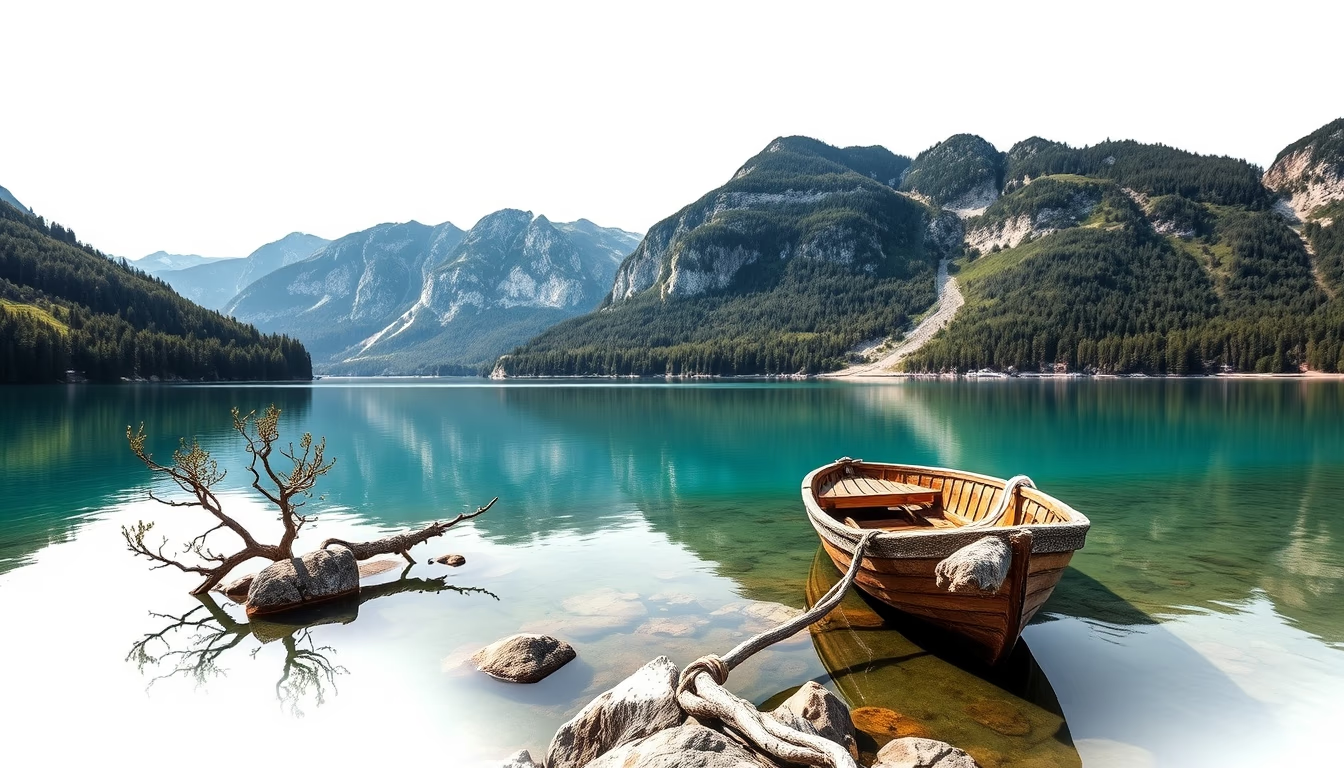
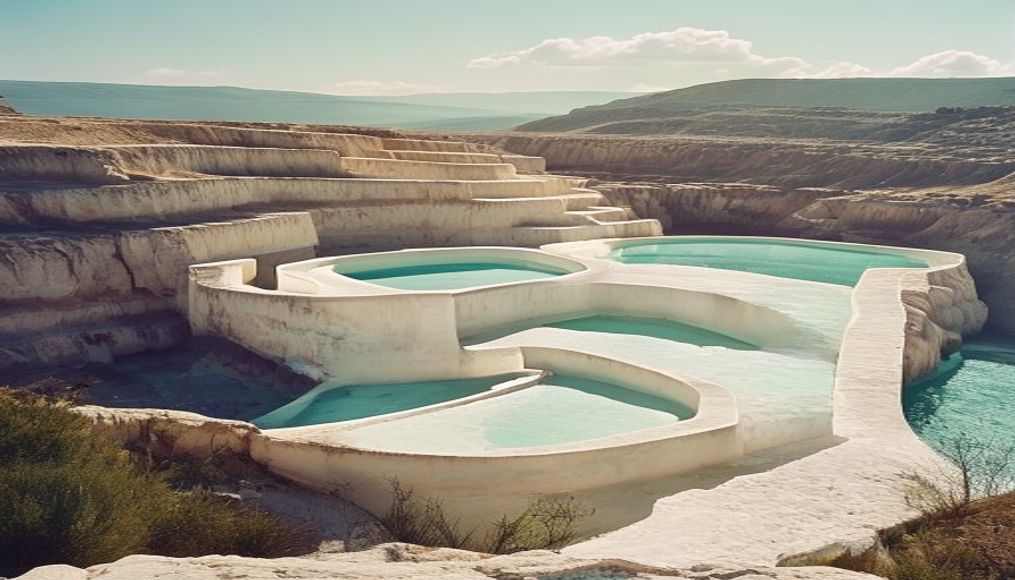
Plitvice Lakes in Croatia form a UNESCO World Heritage site with 16 interconnected lakes and cascading waterfalls.
About this subject
Plitvice Lakes National Park is located in the mountainous region of Croatia, between Zagreb and the Dalmatian coast. Established in 1949, it is one of the oldest national parks in Southeast Europe and was designated a UNESCO World Heritage site in 1979. The park's main feature is a chain of 16 crystal-clear lakes arranged in cascading tiers, connected by waterfalls, streams, and rivers. The water displays a striking palette of turquoise, green, and blue hues, caused by a high concentration of dissolved carbonate minerals, especially calcium carbonate, which precipitate to form natural barriers of travertine rock. This ongoing biogeochemical process constantly shapes the landscape.
The park covers an area of about 296 square kilometers, with 90% forested. Wooden boardwalks and hiking trails allow visitors to complete the main route in 4 to 6 hours. It is divided into two sections: the Upper Lakes (Gornja jezera), consisting of twelve lakes surrounded by dense woodland, and the Lower Lakes (Donja jezera), which are less forested and feature dramatic limestone cliffs, including Veliki Slap, the largest waterfall in Croatia at 78 meters high.
Wildlife includes brown bears, wolves, lynx, golden eagles, and numerous waterfowl species. The flora is equally diverse, with wild orchids, ferns, and mosses. The region has a humid continental climate, with cold winters and mild summers. Spring and autumn are the best times to visit, when water flows are strongest and autumn foliage adds vibrant colors. Over one million tourists visit annually, requiring timed entry tickets during peak season.
Culturally, the Plitvice area has been inhabited since the Bronze Age, but the park saw conflict during the Croatian War of Independence in the 1990s. Today it stands as a symbol of peace and environmental protection. The name "Plitvice" comes from "plićina", meaning "shallow waters", reflecting the fact that many lakes are very shallow, allowing a clear view of the bottom.
Frequently Asked Questions
What is the best time to visit Plitvice Lakes?
Spring (May-June) and autumn (September-October) are ideal due to fewer crowds and higher water flow. In winter, waterfalls freeze, creating a different spectacle, but some trails may be closed.
Can I hike the park without a guide?
Yes, the park has well-marked trails and wooden boardwalks. The main route does not require a guide. Options range from 2 to 6 hours.
Are Plitvice Lakes accessible for people with reduced mobility?
Partially. The lower entrance (Donja jezera) has an accessible path to Veliki Slap waterfall, but the rest of the park involves stairs and uneven terrain, limiting full access.
Direct URL
https://pub-c7d6a6ea828543ac903a74a341ccb2e1.r2.dev/imagens/plitvice-lakes-croatia-commercial-product-photography-p6.avifHow to credit
Include a visible link back to UtilizAí. Copy one of the snippets below:
<a href="https://xn--utiliza-eza.com/en/midia/imagens/plitvice-lakes-croatia-commercial-product-photography-p6">Plitvice lakes croatia</a> by <a href="https://xn--utiliza-eza.com">UtilizAí</a>, licensed under <a href="https://creativecommons.org/licenses/by/4.0/">CC BY 4.0</a>.
[Plitvice lakes croatia](https://xn--utiliza-eza.com/en/midia/imagens/plitvice-lakes-croatia-commercial-product-photography-p6) by [UtilizAí](https://xn--utiliza-eza.com), CC BY 4.0
License: CC-BY-4.0