Plitvice lakes croatia
1344×768 · AVIF · CC BY 4.0
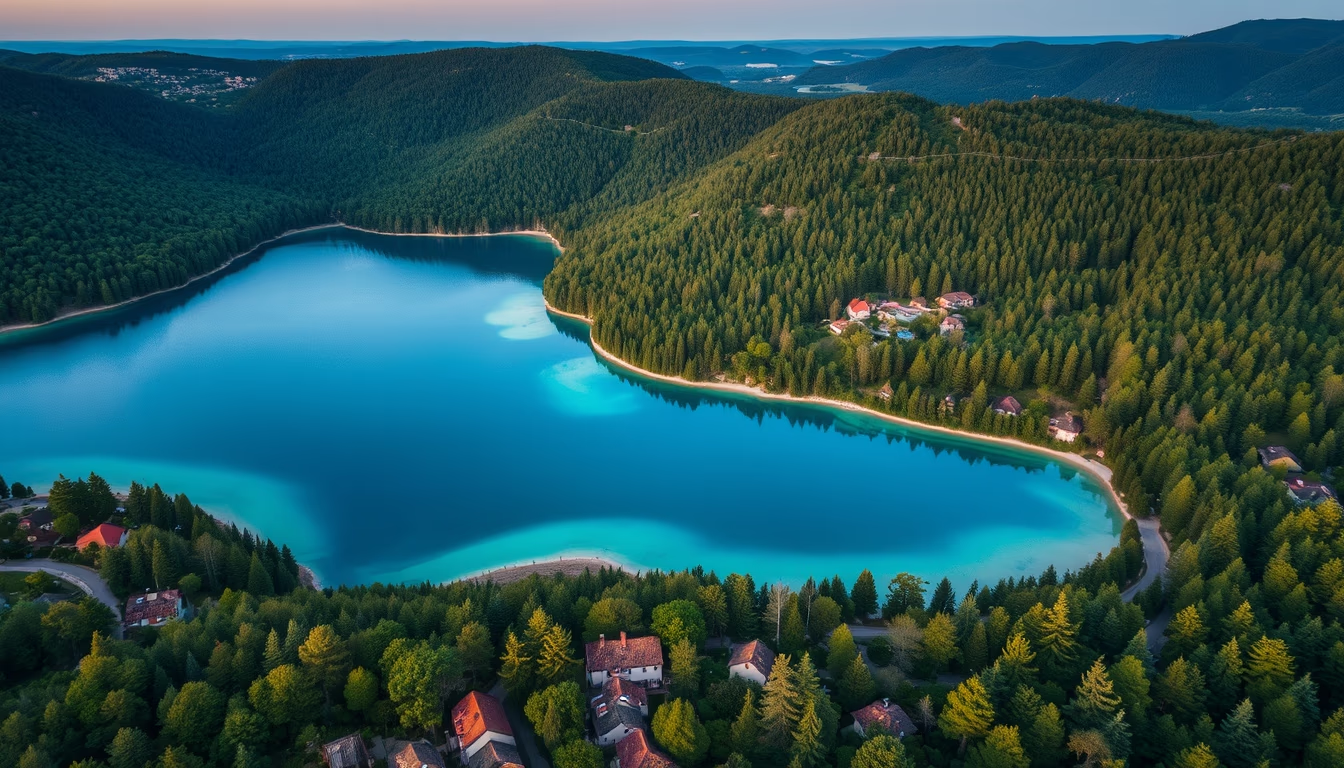
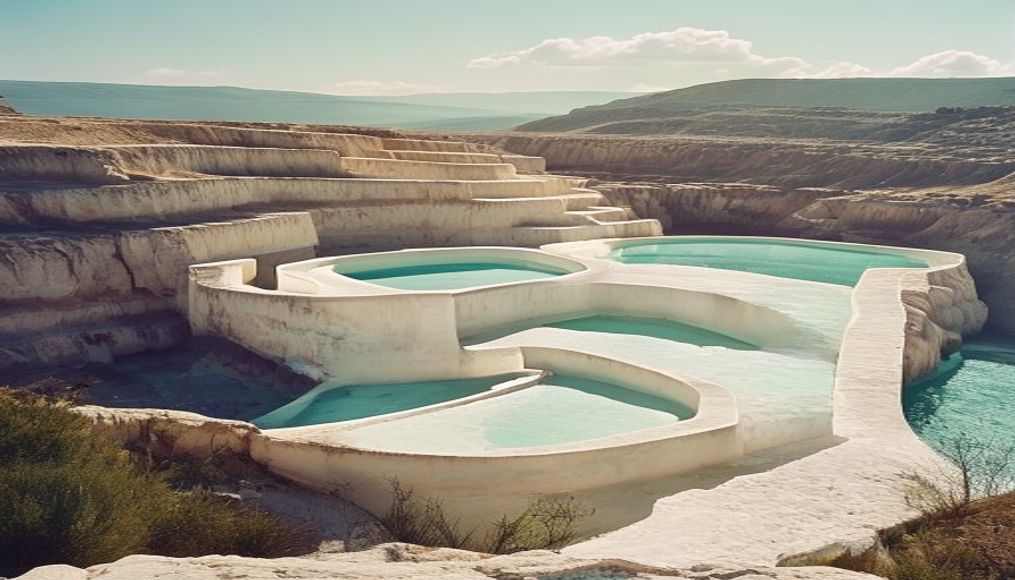
The Plitvice Lakes in Croatia form one of Europe's most beautiful national parks, with cascading waterfalls and turquoise lakes.
About this subject
Plitvice Lakes National Park, a UNESCO World Heritage site since 1979, is located in the mountainous region of central Croatia, near the border with Bosnia and Herzegovina. The park is renowned for its system of 16 interconnected lakes, linked by a series of waterfalls and cascades, formed by karst geological processes. The dissolution of carbonate rocks creates travertine barriers that dam the lakes, resulting in a unique landscape. The characteristic turquoise and blue-green colors of the water are due to high concentrations of calcium carbonate and the presence of specific algae and bacteria.
The park's biodiversity is remarkable: it hosts brown bears, wolves, lynxes, and over 140 bird species. An endemic trout, Salmo plitvicensis, is found only in the park's waters. The ecosystem is highly fragile; therefore, swimming or touching the water is prohibited to preserve the travertine formations. Annual visitation exceeds 1.5 million tourists, who walk along suspended wooden pathways over the lakes.
The park is divided into Upper Lakes and Lower Lakes. The Upper Lakes are higher and surrounded by dense forests, while the Lower Lakes feature canyons and caves. The most famous waterfall is Veliki Slap, with a 78-meter drop. In winter, the waterfalls freeze, creating a icy spectacle. The best time to visit is spring and autumn, when water flow is strong and the autumn colors or spring blooms enhance the scenery.
Frequently Asked Questions
Where are the Plitvice Lakes located?
They are located in central Croatia, between the cities of Zagreb and Zadar, near the border with Bosnia and Herzegovina.
Why is the water of Plitvice Lakes so blue?
The turquoise-blue color is due to high concentrations of dissolved calcium carbonate and the presence of algae and bacteria that reflect light in a specific way.
Is swimming allowed in the lakes?
No, swimming is prohibited to protect the fragile ecosystem and the travertine formations that create the lake barriers.
Direct URL
https://pub-c7d6a6ea828543ac903a74a341ccb2e1.r2.dev/imagens/plitvice-lakes-croatia-aerial-drone-shot-p1.avifHow to credit
Include a visible link back to UtilizAí. Copy one of the snippets below:
<a href="https://xn--utiliza-eza.com/en/midia/imagens/plitvice-lakes-croatia-aerial-drone-shot-p1">Plitvice lakes croatia</a> by <a href="https://xn--utiliza-eza.com">UtilizAí</a>, licensed under <a href="https://creativecommons.org/licenses/by/4.0/">CC BY 4.0</a>.
[Plitvice lakes croatia](https://xn--utiliza-eza.com/en/midia/imagens/plitvice-lakes-croatia-aerial-drone-shot-p1) by [UtilizAí](https://xn--utiliza-eza.com), CC BY 4.0
License: CC-BY-4.0