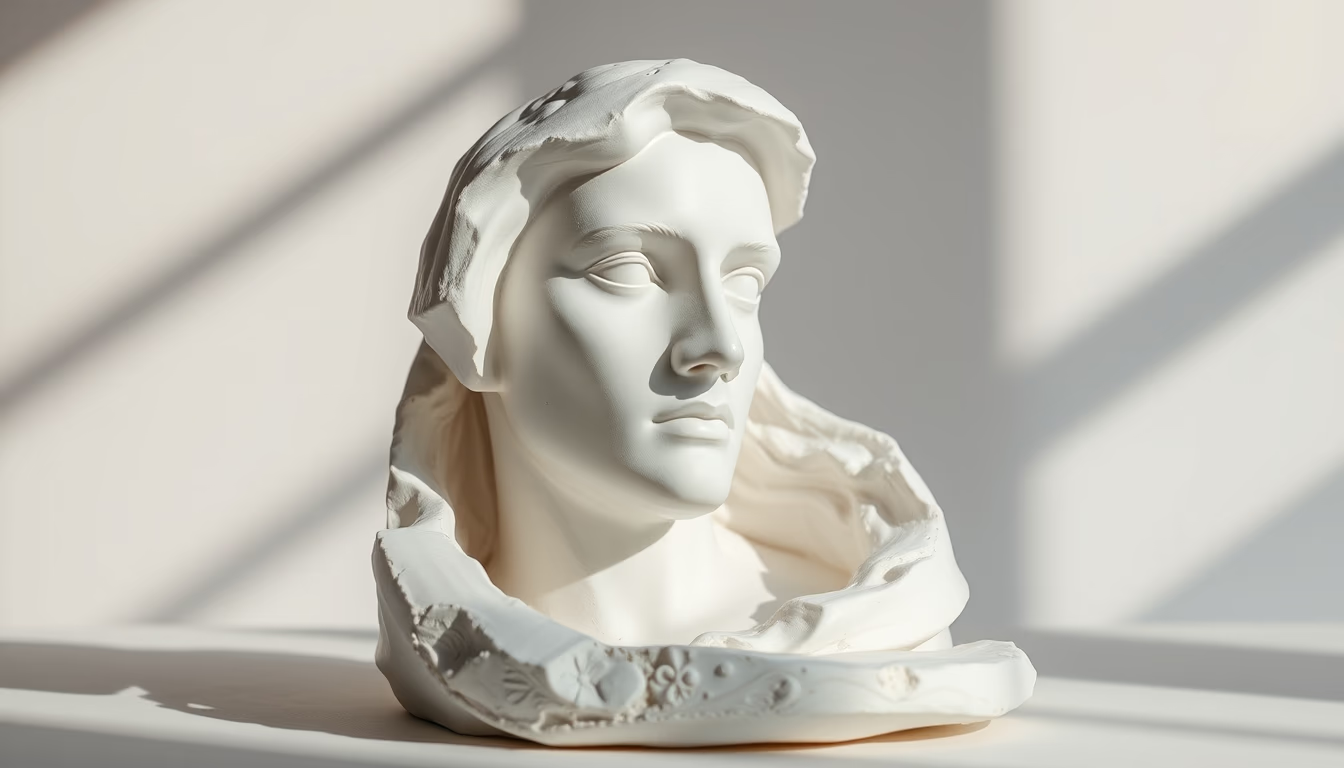
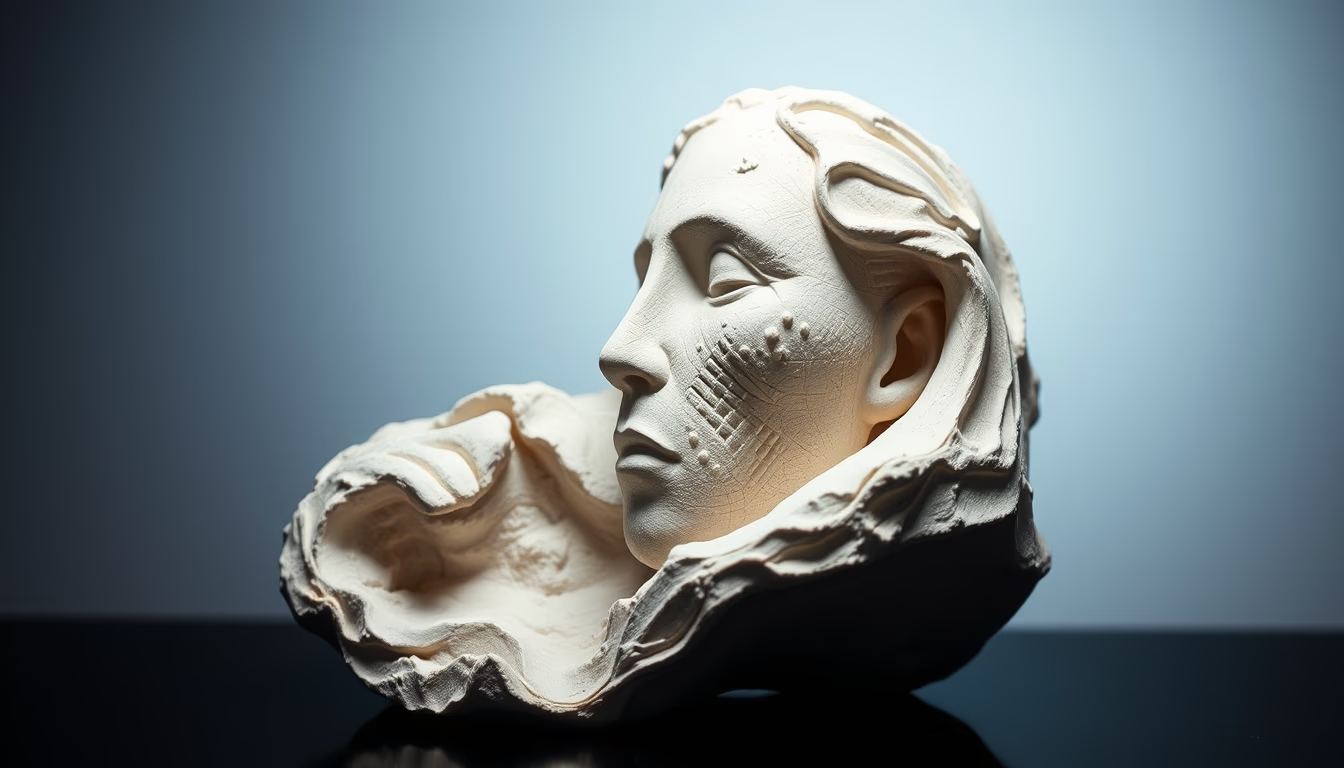
Plaster mold sculpture
1344×768 · AVIF · CC BY 4.0
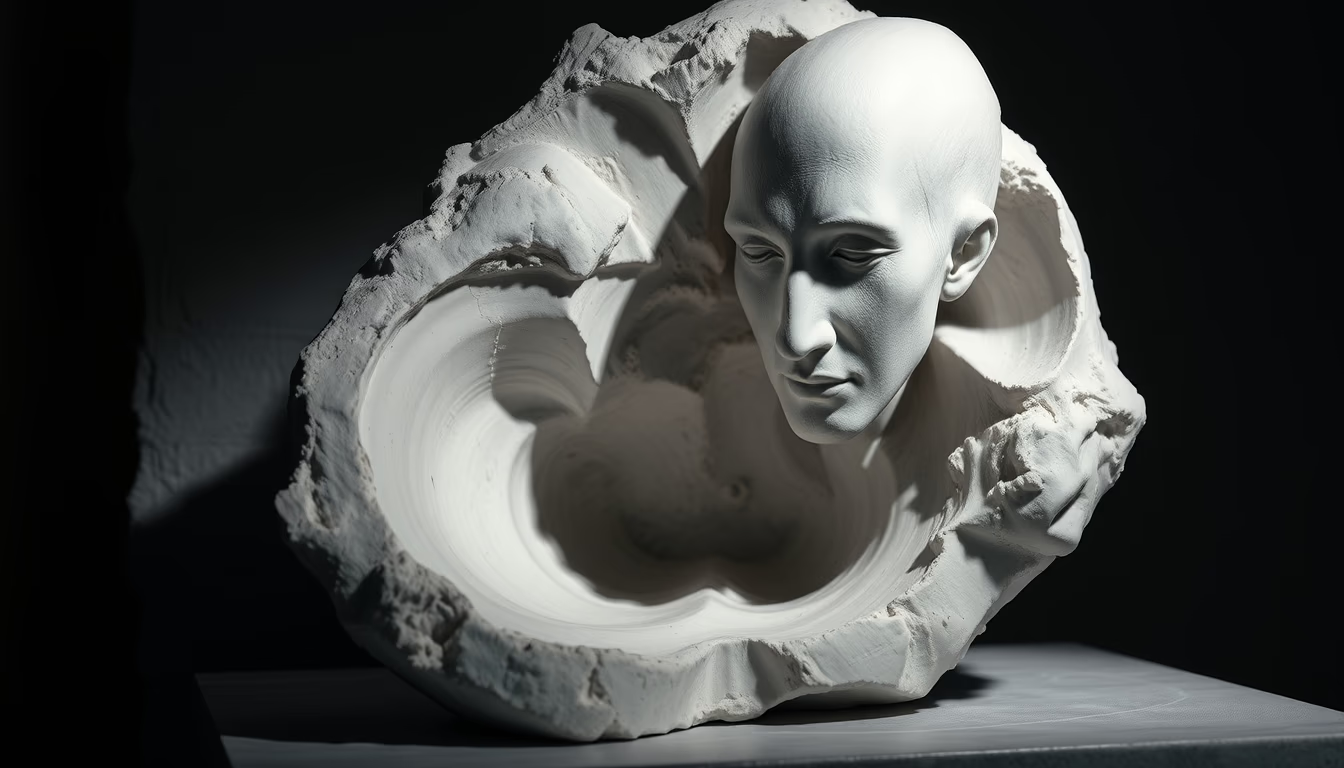
Plaster mold sculpture technique, used for centuries to reproduce artworks with precision and dramatic effect.
About this subject
Plaster mold sculpture is an ancient technique for faithfully reproducing three-dimensional artworks. The process involves making a mold from the original piece, typically in clay or wax, which is then filled with liquid plaster. After drying, the mold is removed, revealing an exact copy of the original. This method was widely used in Classical Antiquity, especially by Greeks and Romans, to disseminate famous statues. During the Renaissance, artists like Michelangelo and Donatello employed plaster casts to study and replicate ancient sculptures, establishing plaster as a fundamental material in artistic training.
The use of dramatic lighting, known as Rembrandt lighting, enhances the contours and volumes of plaster sculptures. This lighting style, characterized by strong contrast between illuminated areas and deep shadows, was popularized by Dutch painter Rembrandt van Rijn. In sculpture, it creates a sense of three-dimensionality and emotional intensity, highlighting textures and details. The combination of plaster, a porous and neutrally colored material, with directed light allows shadows to emphasize forms without chromatic distractions.
Today, plaster molds are still used in conservation, restoration, and the production of replicas for museums and collectors. The technique is also popular in art studios and sculpture schools, serving as an exercise in observation and reproduction. Rembrandt lighting is frequently employed in sculpture photography to accentuate volumes, making it an essential tool for artists and art photographers.
Frequently Asked Questions
How is a plaster mold made for sculpture?
The mold is created by applying liquid plaster over the original model (clay, wax, or another piece). After hardening, the mold is removed in sections if needed, then used to cast plaster or other materials, producing an exact copy.
Why is Rembrandt lighting used on plaster sculptures?
Rembrandt lighting, with its contrast between light and shadow, enhances the volumes and textures of the sculpture, creating depth and drama. On neutral-toned plaster, shadows emphasize forms without color distraction.
What is the historical importance of plaster molds?
Since antiquity, plaster molds allowed the dissemination of famous works and the study of classical sculptures. During the Renaissance, they were essential for artists like Michelangelo, and today they are used in conservation and art education.
Direct URL
https://pub-c7d6a6ea828543ac903a74a341ccb2e1.r2.dev/imagens/plaster-mold-sculpture-rembrandt-lighting-dramatic-shadows-fresh10.avifHow to credit
Include a visible link back to UtilizAí. Copy one of the snippets below:
<a href="https://xn--utiliza-eza.com/en/midia/imagens/plaster-mold-sculpture-rembrandt-lighting-dramatic-shadows-fresh10">Plaster mold sculpture</a> by <a href="https://xn--utiliza-eza.com">UtilizAí</a>, licensed under <a href="https://creativecommons.org/licenses/by/4.0/">CC BY 4.0</a>.
[Plaster mold sculpture](https://xn--utiliza-eza.com/en/midia/imagens/plaster-mold-sculpture-rembrandt-lighting-dramatic-shadows-fresh10) by [UtilizAí](https://xn--utiliza-eza.com), CC BY 4.0
License: CC-BY-4.0