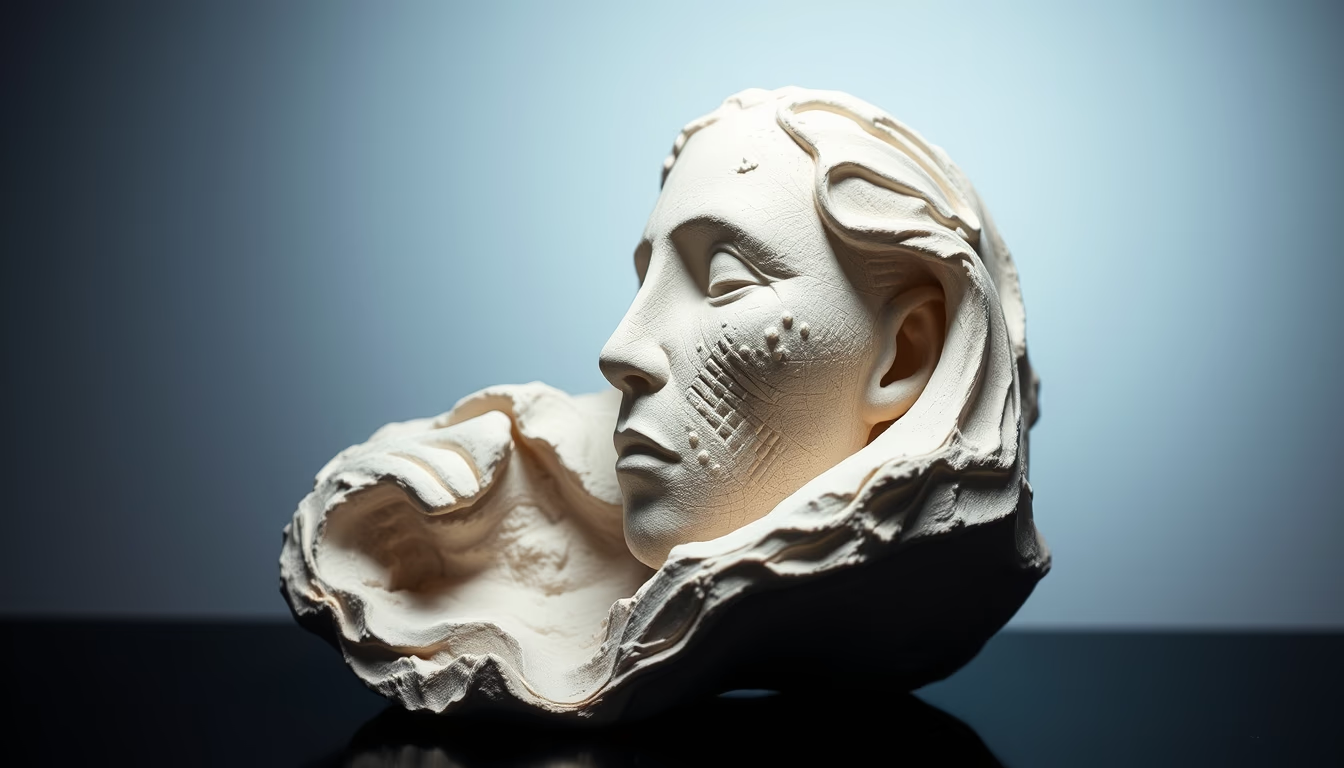
Plaster mold sculpture
1344×768 · AVIF · CC BY 4.0
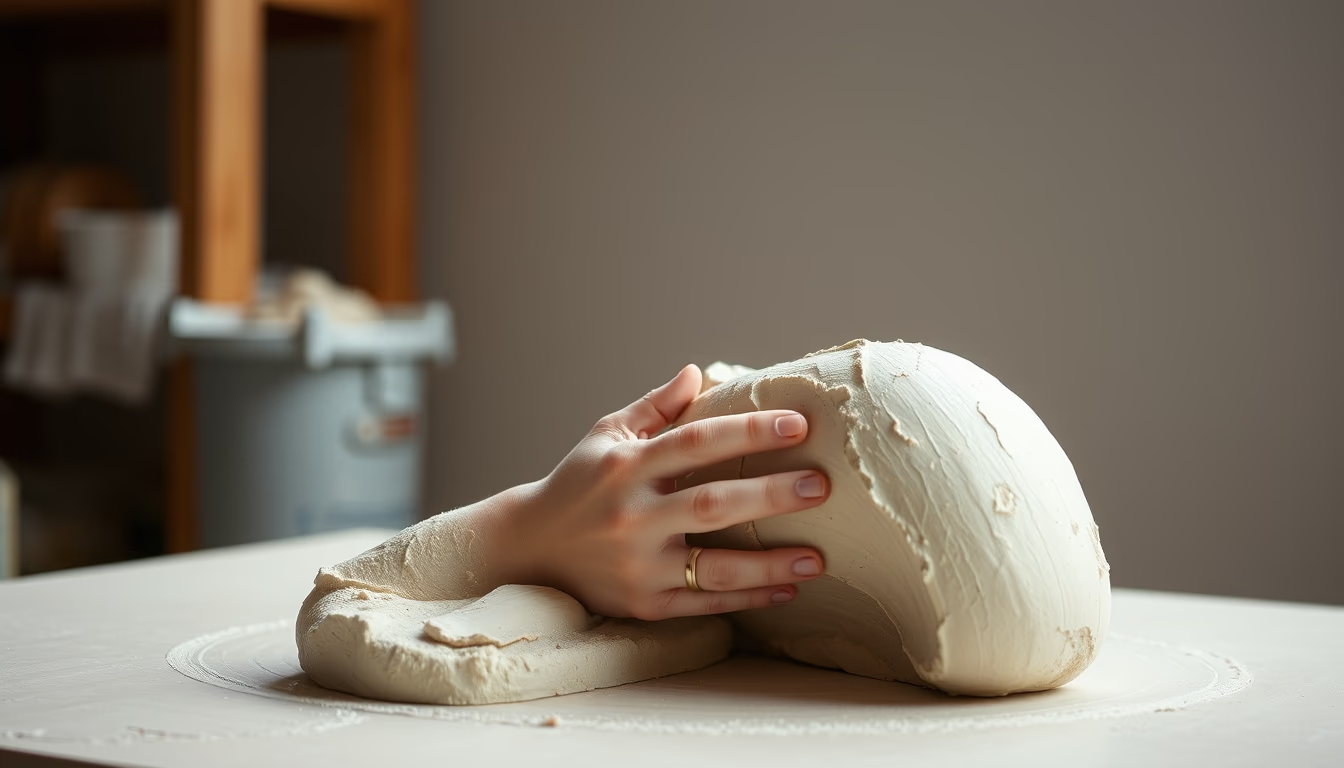
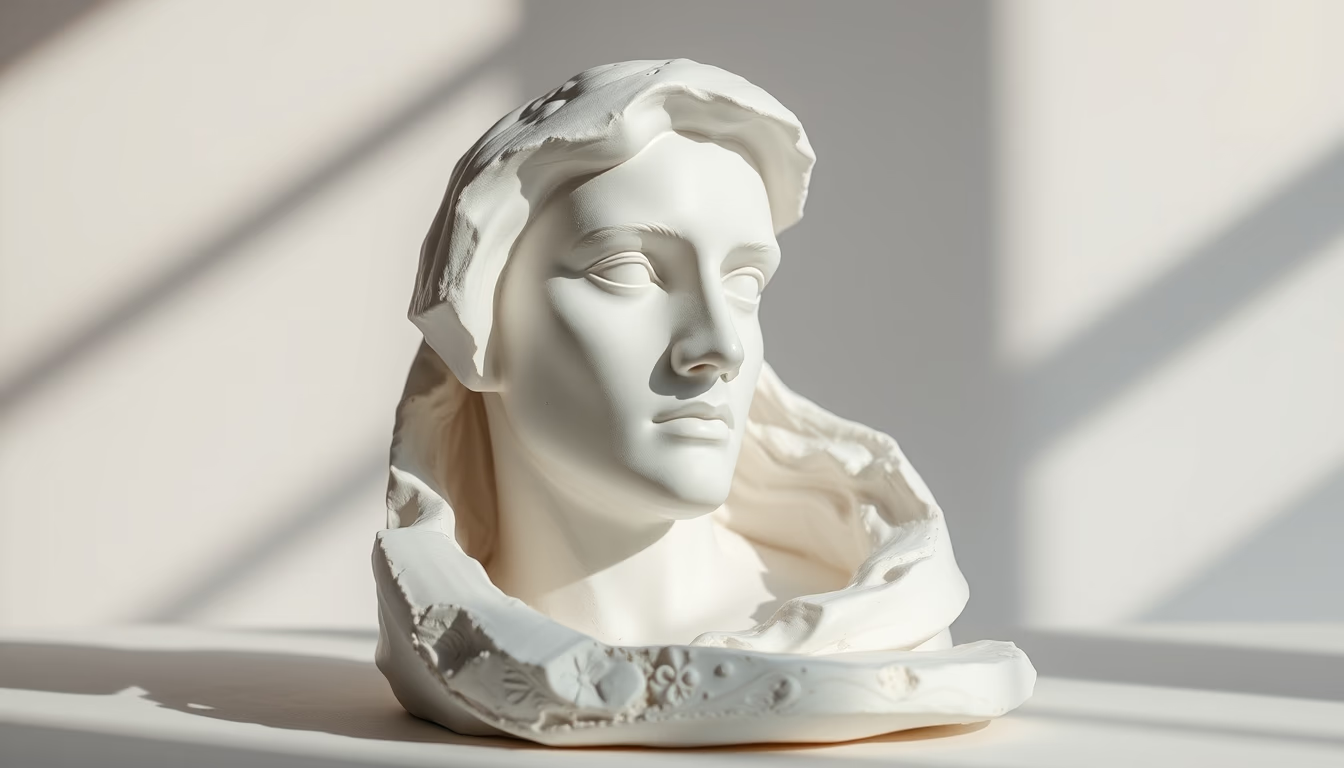
Plaster mold sculpture is a classic technique for reproducing three-dimensional forms with precision, used since the Renaissance.
About this subject
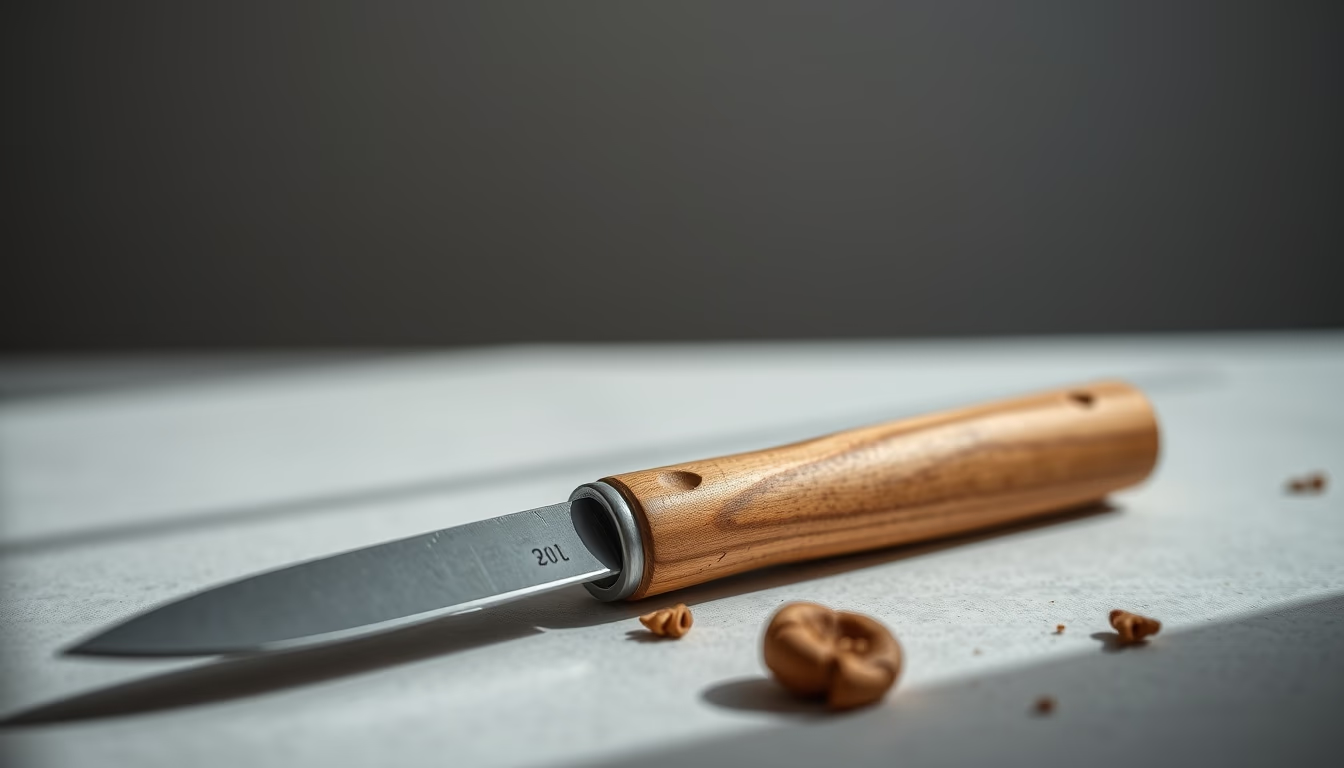
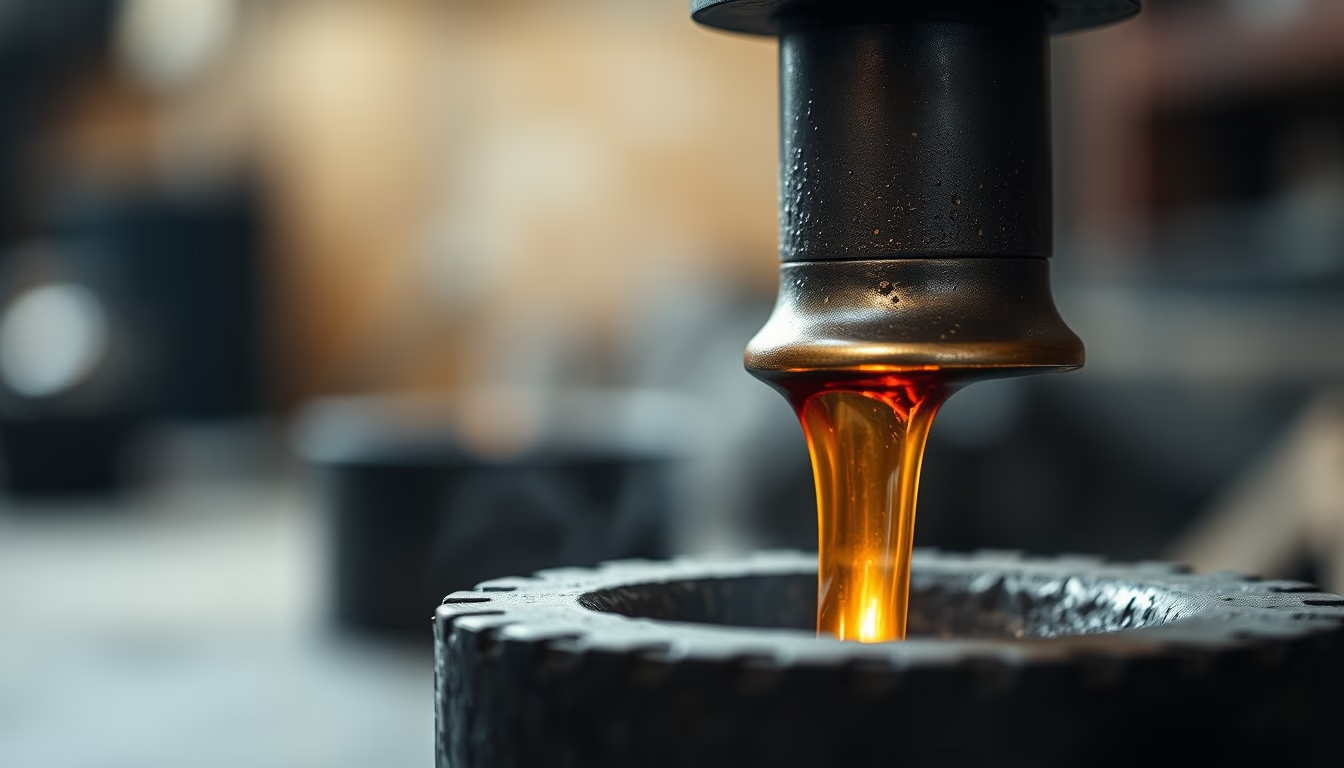
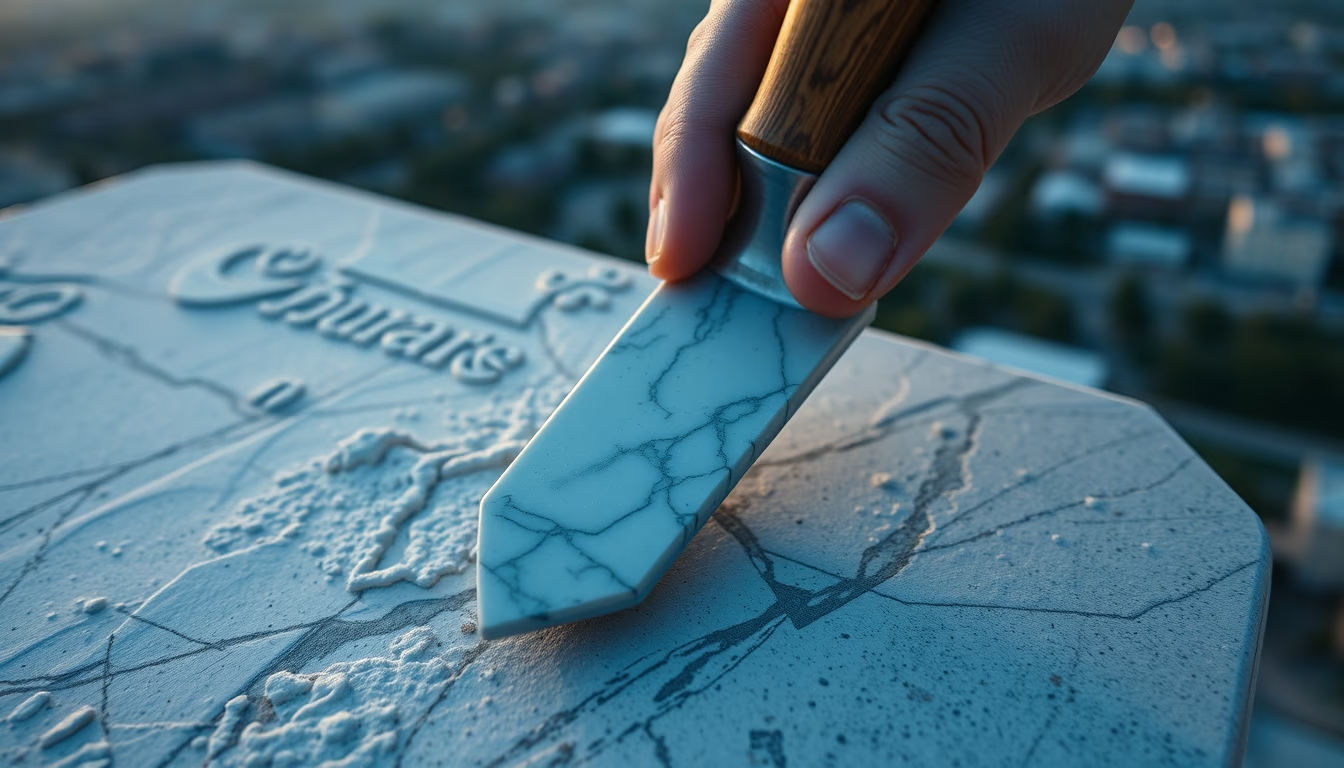
Plaster mold sculpture is a manual process using plaster of Paris to create faithful copies of original models. The technique involves pouring liquid plaster into a mold, usually made of silicone, rubber, or plaster itself, and waiting for it to set. After drying, the mold is removed, revealing the final piece. This method is widely used in fine arts, architecture, and restoration, especially for reproducing statues, reliefs, and decorative elements.
Historically, the use of plaster molds dates back to Ancient Egypt, but it was during the Italian Renaissance that the technique was refined, with artists like Donatello and Michelangelo using it for studies and replicas. In the 19th century, industrialization popularized plaster in art schools and for producing architectural ornaments. In Brazil, the technique arrived with colonizers and spread in the decoration of Baroque churches and townhouses, still employed today in the restoration of historical heritage.
A notable characteristic of plaster mold sculpture is its fragility: pieces can break easily, requiring careful handling. On the other hand, the material is low-cost and allows great detail. Unlike silicone molds, which are flexible and reusable, plaster molds are rigid and often disposable, suitable for single editions. The technique is also used in dentistry for dental models and in medicine for orthopedic casts, demonstrating its versatility.
Frequently Asked Questions
What is the origin of plaster mold sculpture?
The technique dates back to Ancient Egypt but was refined during the Italian Renaissance by artists such as Donatello and Michelangelo.
What are the advantages of plaster molds over silicone?
Plaster is cheaper and allows greater precision in fine details, but it is fragile and usually disposable, while silicone is flexible and reusable.
Where else is plaster mold used besides artistic sculpture?
In dentistry for dental models, in medicine for orthopedic casts, and in architecture for reproducing ornaments.
Direct URL
https://pub-c7d6a6ea828543ac903a74a341ccb2e1.r2.dev/imagens/plaster-mold-sculpture-documentary-photography-fresh11.avifHow to credit
Include a visible link back to UtilizAí. Copy one of the snippets below:
<a href="https://xn--utiliza-eza.com/en/midia/imagens/plaster-mold-sculpture-documentary-photography-fresh11">Plaster mold sculpture</a> by <a href="https://xn--utiliza-eza.com">UtilizAí</a>, licensed under <a href="https://creativecommons.org/licenses/by/4.0/">CC BY 4.0</a>.
[Plaster mold sculpture](https://xn--utiliza-eza.com/en/midia/imagens/plaster-mold-sculpture-documentary-photography-fresh11) by [UtilizAí](https://xn--utiliza-eza.com), CC BY 4.0
License: CC-BY-4.0