Plaster mold sculpture
1344×768 · AVIF · CC BY 4.0
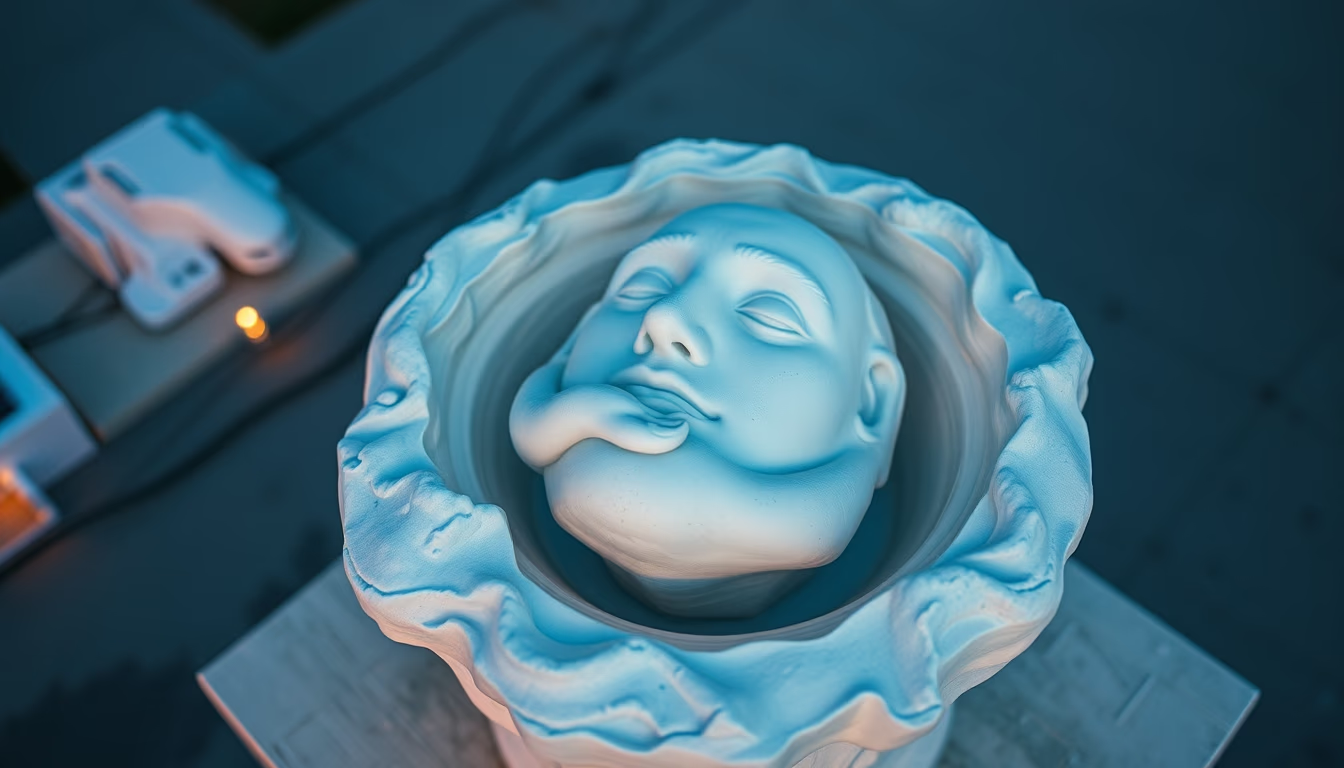
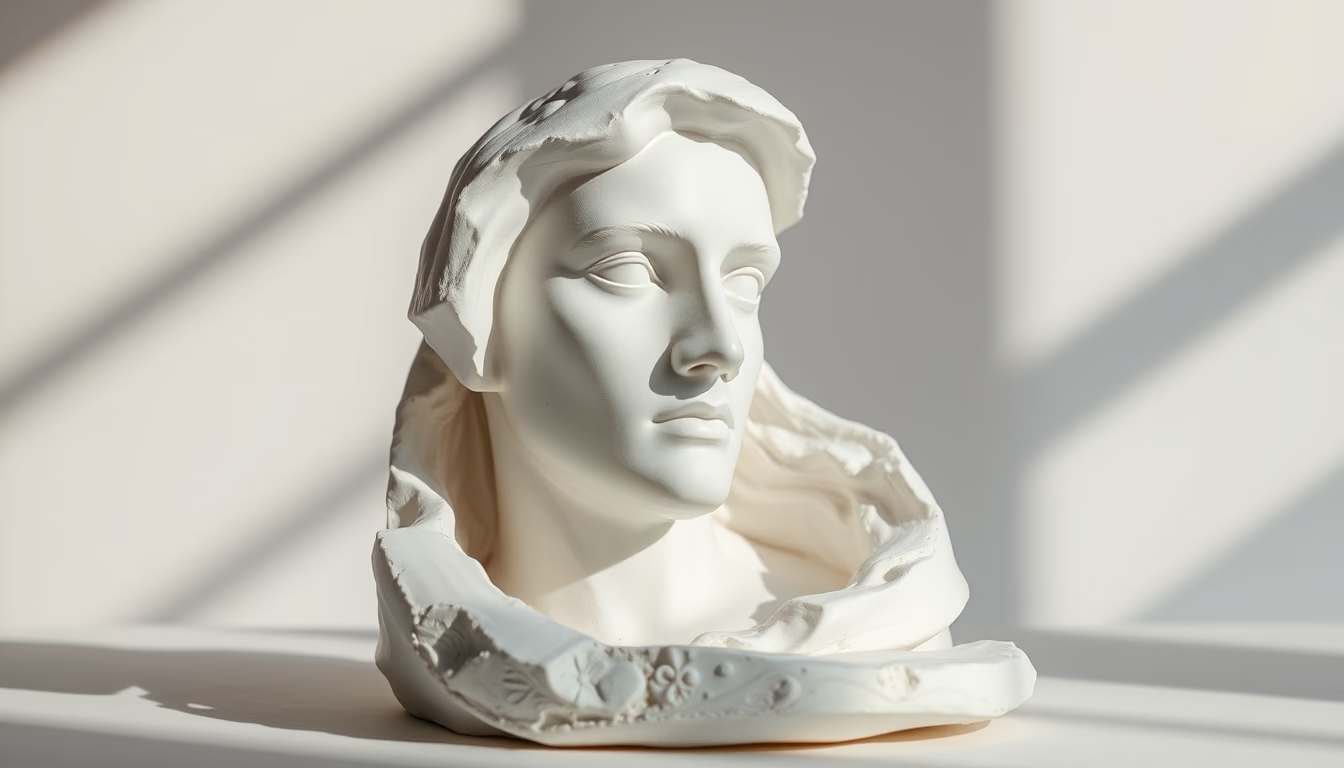
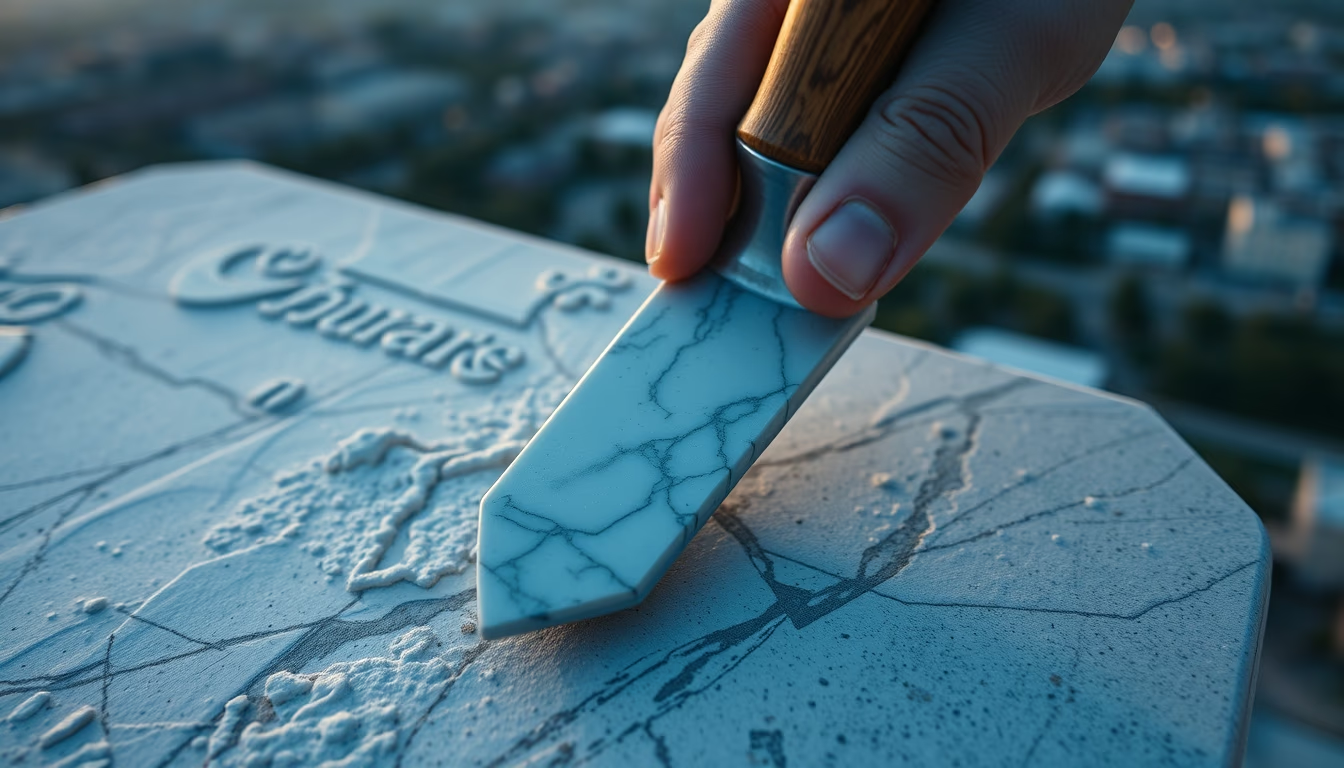
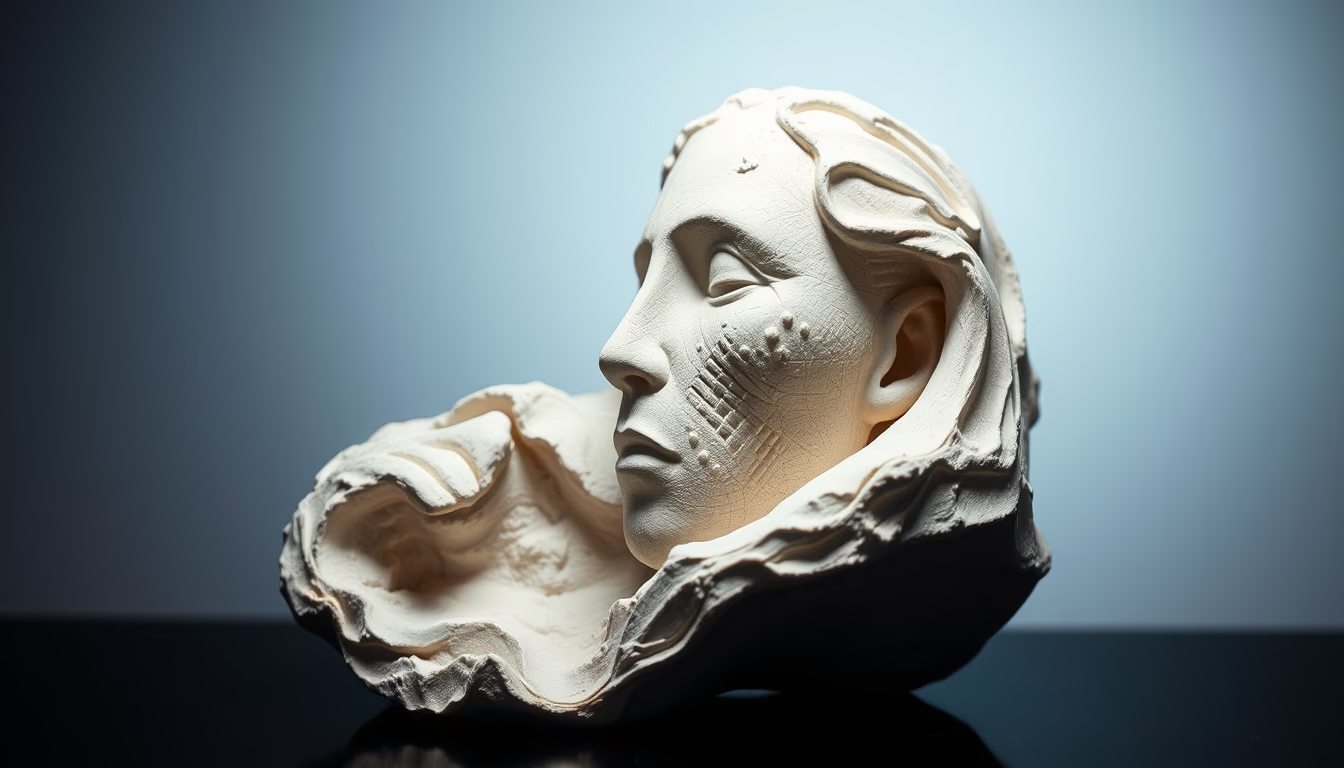
Plaster mold sculpture, an ancient technique enabling high-fidelity reproduction of complex forms, widely used in art and architecture.
About this subject
Plaster mold sculpture is a technique dating back to antiquity, used by Greeks and Romans to reproduce statues and reliefs. The process involves creating a mold from an original model, usually in clay or wax, into which plaster is poured. After drying, the mold is removed, revealing a detailed copy. This technique enables mass production of sculptures, facilitating the spread of artworks and architectural elements.
In Brazil, plaster is commonly used for making ornaments in historic churches and mansions, especially during the Baroque and Neoclassical periods. Artists like Aleijadinho employed plaster molds for parts of their works, though their primary materials were wood and soapstone. Today, the technique is used in restorations and for producing museum replicas.
A curious fact: plaster mixed with water releases heat during hardening, which can speed up drying. Additionally, plaster sculptures can be painted or patinated to mimic other materials like marble or bronze. Aerial drone photography captures the scale and details of these sculptures in large settings such as squares or studios.
The replica market using plaster generates millions of dollars annually, serving decorators, architects, and collectors. The technique continues to evolve with modern materials, but its core principle remains unchanged since ancient Greece.
Frequently Asked Questions
What is the difference between plaster mold and silicone mold?
Plaster molds are rigid and inexpensive, ideal for simple pieces and low-scale production. Silicone is flexible, allowing reproduction of finer details and easier demolding, but it is more expensive.
How long does it take for a plaster mold sculpture to dry completely?
Drying time varies with thickness and humidity, but small pieces typically take 24 to 48 hours. Larger pieces may require up to a week.
Can you paint a plaster sculpture?
Yes, plaster is porous and accepts acrylics, oils, or patinas well. It is recommended to seal the surface with varnish before painting to avoid uneven absorption.
Direct URL
https://pub-c7d6a6ea828543ac903a74a341ccb2e1.r2.dev/imagens/plaster-mold-sculpture-aerial-drone-shot-fresh14.avifHow to credit
Include a visible link back to UtilizAí. Copy one of the snippets below:
<a href="https://xn--utiliza-eza.com/en/midia/imagens/plaster-mold-sculpture-aerial-drone-shot-fresh14">Plaster mold sculpture</a> by <a href="https://xn--utiliza-eza.com">UtilizAí</a>, licensed under <a href="https://creativecommons.org/licenses/by/4.0/">CC BY 4.0</a>.
[Plaster mold sculpture](https://xn--utiliza-eza.com/en/midia/imagens/plaster-mold-sculpture-aerial-drone-shot-fresh14) by [UtilizAí](https://xn--utiliza-eza.com), CC BY 4.0
License: CC-BY-4.0