Plant cell wall closeup
1344×768 · AVIF · CC BY 4.0
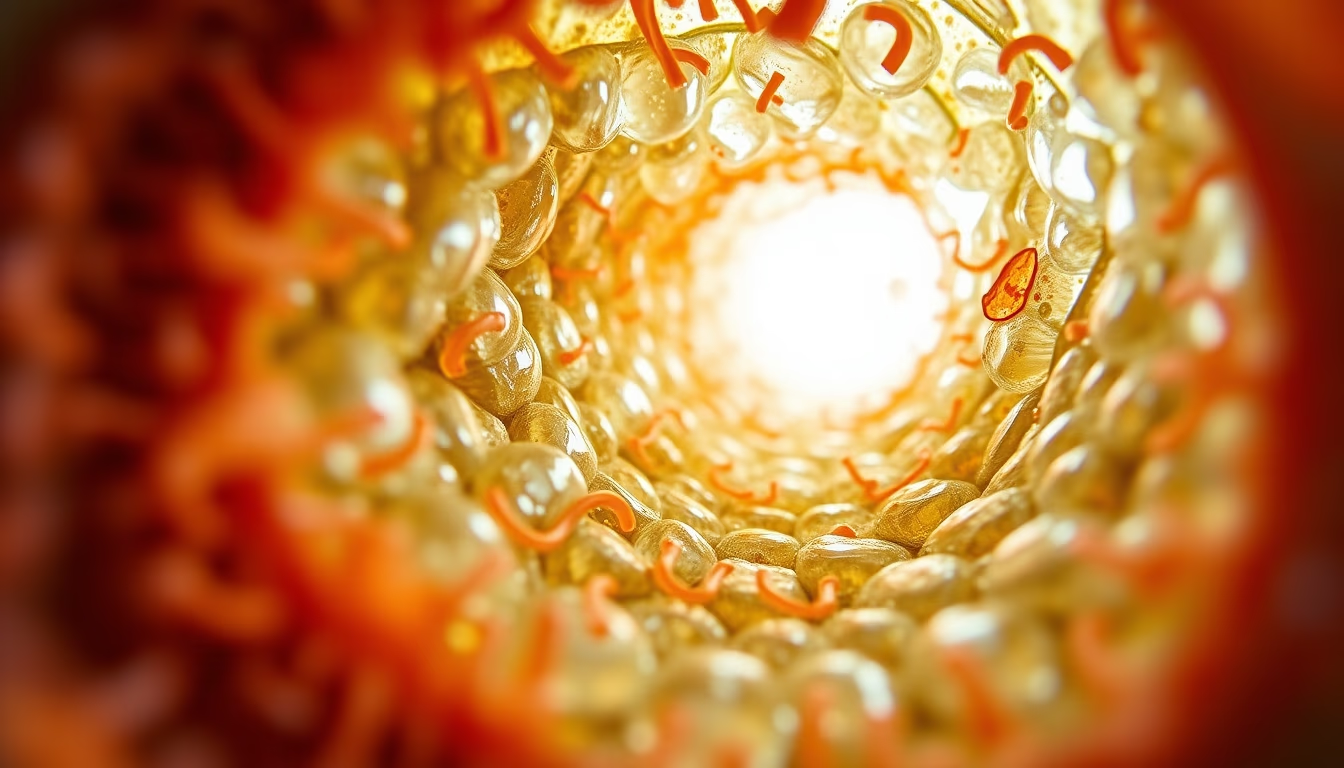
The plant cell wall is an extracellular structure mainly composed of cellulose that provides rigidity and protection to plant cells.
About this subject
The plant cell wall is a distinguishing feature of plant cells, absent in animal cells. It is a rigid layer deposited outside the plasma membrane, composed of a polysaccharide matrix, with cellulose as the main component. Cellulose forms microfibrils that are organized in a network intertwined with hemicelluloses and pectins, providing mechanical strength and flexibility. In mature cells, the wall can be impregnated with lignin, a complex polymer that hardens the structure and is responsible for the rigidity of wood.
The cell wall performs essential functions: structural support, maintenance of cell shape, protection against pathogens and environmental stresses, and regulation of water and solute transport. During growth, the primary wall is flexible and allows cell expansion; after growth, some cells deposit a thicker, lignified secondary wall, as in xylem vessels and fibers. Plasmodesmata, channels that cross the wall, enable communication between neighboring cells.
Historically, the observation of plant cells by Robert Hooke in 1665, which he likened to small monastic cells, gave rise to the term "cell". Today, the study of the cell wall is crucial for fields such as biotechnology, biofuel production (from cellulose), and genetic improvement of crops. Understanding its biosynthesis and remodeling helps develop plants more resistant to pests and with higher yield.
Frequently Asked Questions
What is the difference between primary and secondary cell walls?
The primary wall is the first layer deposited during cell growth, being thin and flexible. The secondary wall forms after growth ceases, is thicker and often lignified, providing greater rigidity and protection.
How do herbivores digest plant cell walls?
Herbivores such as ruminants have symbiotic microorganisms in their digestive tract that produce cellulases, enzymes capable of breaking down cellulose. Other animals, like termites, also rely on microorganisms to digest cell walls.
What is the importance of pectin in the cell wall?
Pectin is a polysaccharide that acts as cement between cells, promoting adhesion and flexibility. It is especially abundant in the middle lamella and primary wall, important for fruit texture and used in the food industry as a gelling agent.
Direct URL
https://pub-c7d6a6ea828543ac903a74a341ccb2e1.r2.dev/imagens/plant-cell-wall-closeup-fish-eye-wide-angle-p12.avifHow to credit
Include a visible link back to UtilizAí. Copy one of the snippets below:
<a href="https://xn--utiliza-eza.com/en/midia/imagens/plant-cell-wall-closeup-fish-eye-wide-angle-p12">Plant cell wall closeup</a> by <a href="https://xn--utiliza-eza.com">UtilizAí</a>, licensed under <a href="https://creativecommons.org/licenses/by/4.0/">CC BY 4.0</a>.
[Plant cell wall closeup](https://xn--utiliza-eza.com/en/midia/imagens/plant-cell-wall-closeup-fish-eye-wide-angle-p12) by [UtilizAí](https://xn--utiliza-eza.com), CC BY 4.0
License: CC-BY-4.0