Persian rug weaving
1344×768 · AVIF · CC BY 4.0
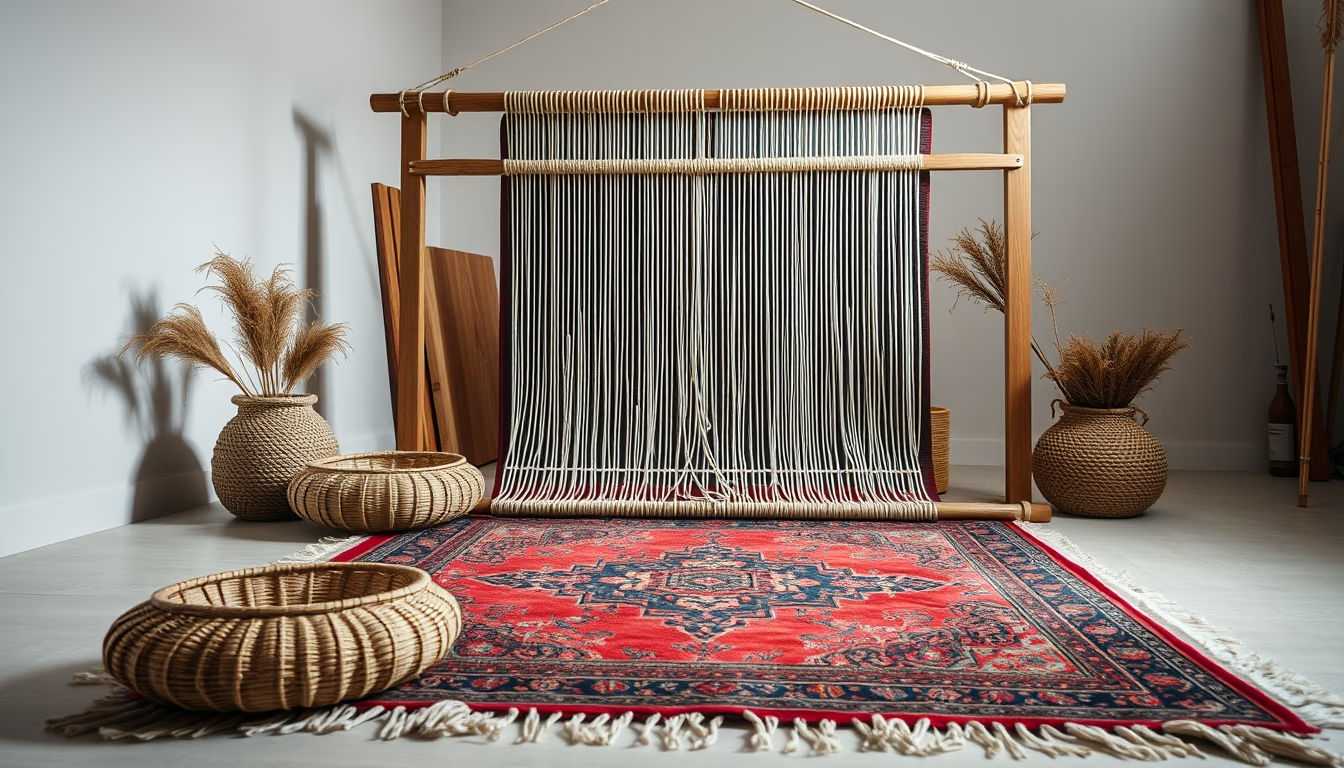
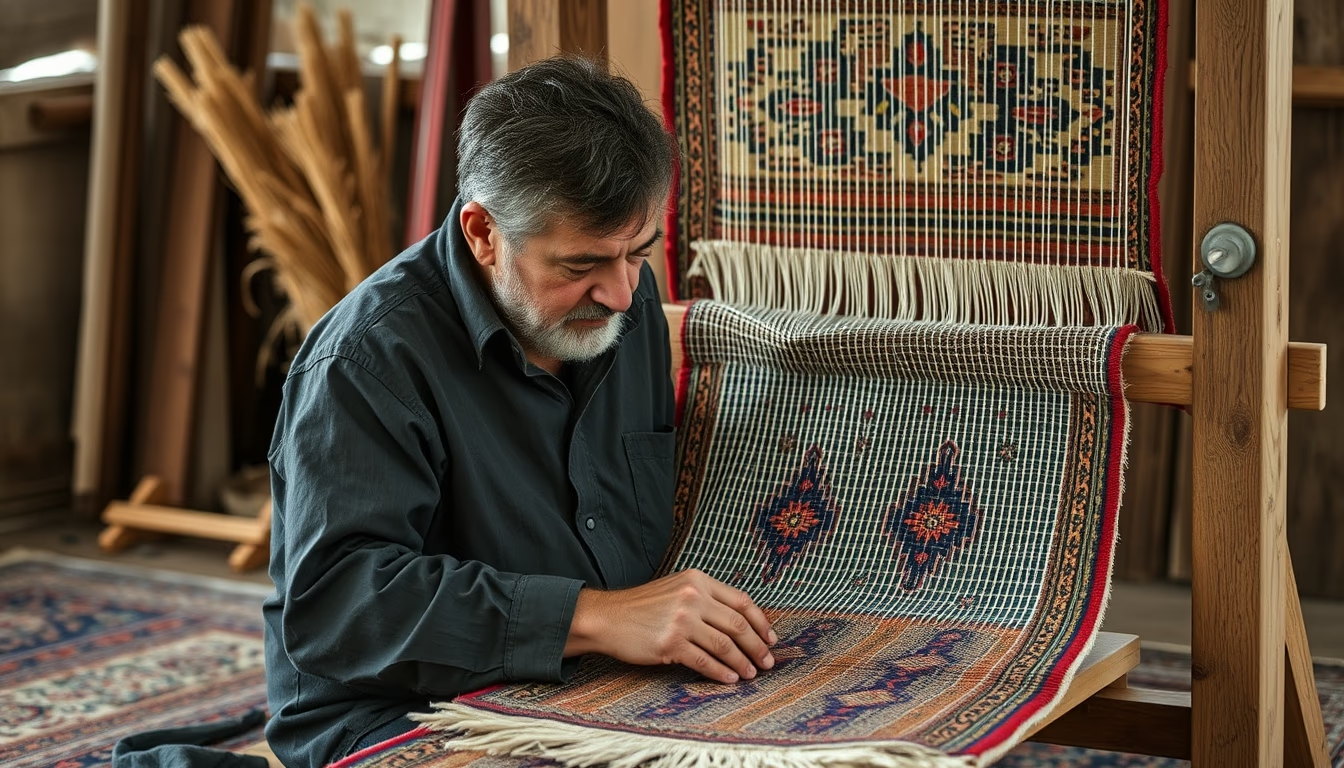
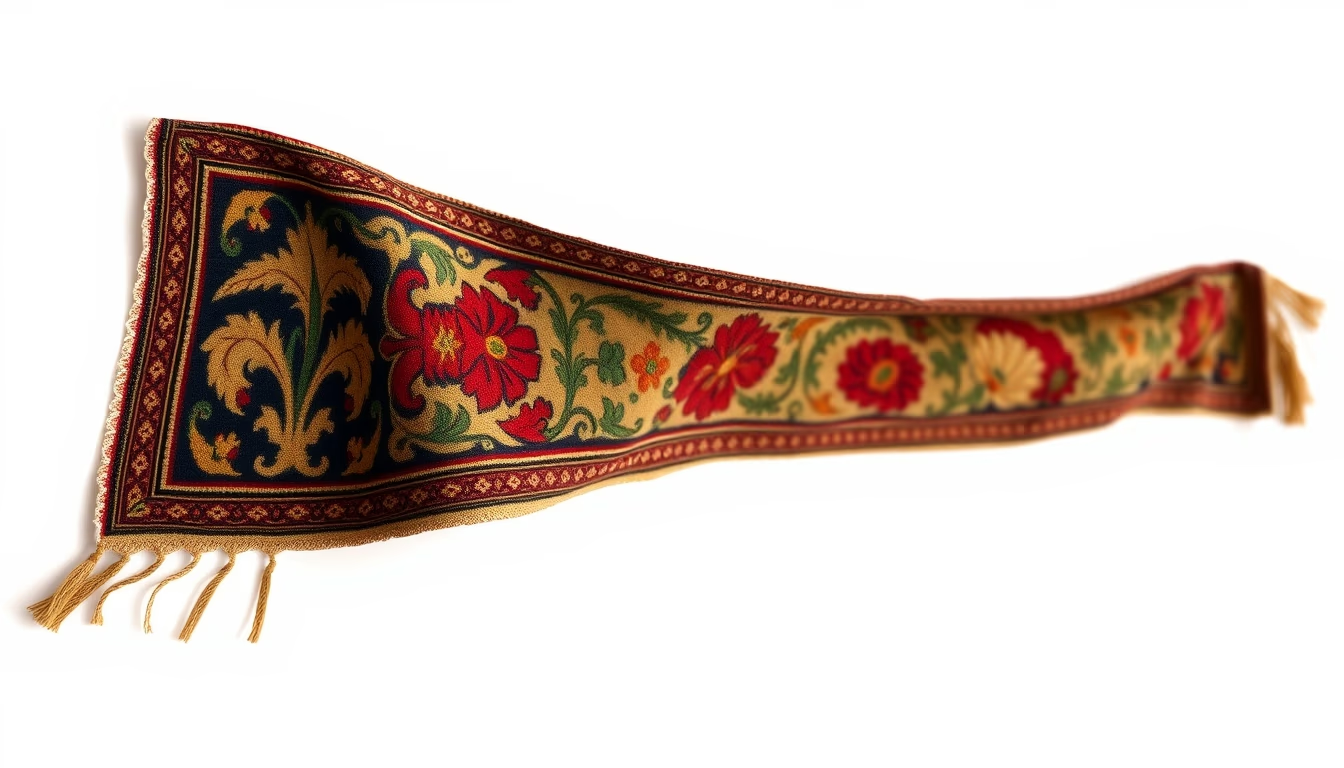
Persian rug weaving is an ancient art that combines ancestral techniques, cultural symbolism, and noble materials such as wool and silk.
About this subject
The history of Persian rugs dates back to around 500 BC, with the oldest known example, the Pazyryk carpet, discovered in Siberia. Since then, the hand-knotting technique using asymmetrical knots (Persian knot) has been refined, becoming a tradition passed down through generations. Each region of Iran developed distinct styles: Tabriz is known for floral designs and medallions, Isfahan for refined silk patterns, Kashan for prayer rugs with geometric motifs, and Qom for dense silk pieces.
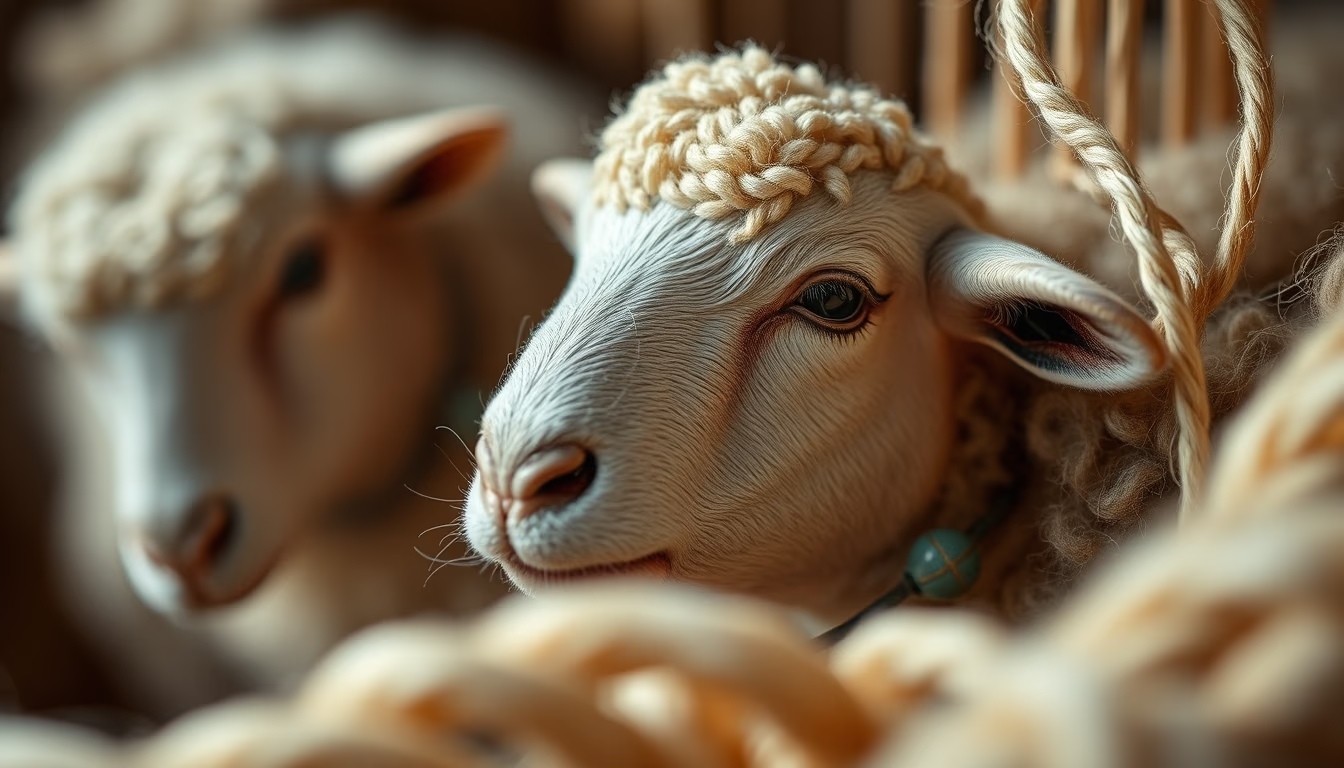
Persian rugs carry deep symbolic meanings. The garden pattern represents the Islamic paradise, while the central medallion symbolizes divine unity. Colors such as blue (water), red (courage), and green (nature) are obtained from natural dyes: indigo, cochineal, and walnut leaves. Sheep wool, often vegetable-dyed, is the most common material, but silk rugs are considered luxurious and more delicate.
The weaving process is time-consuming and meticulous. A master weaver (ustad) leads teams working on vertical looms, tying each knot by hand. Knot density ranges from 100 to over 1,000 knots per square inch, determining durability and detail. Large rugs can take years to complete, and prices reflect the intensive labor. UNESCO recognized Iranian carpet weaving as Intangible Cultural Heritage in 2010, highlighting its global significance.
Frequently Asked Questions
What are the main types of Persian rugs?
The main types include those from Tabriz, Isfahan, Kashan, Qom, and Nain, each with characteristic patterns and colors. Tabriz is known for floral designs, Isfahan for refined silk, Kashan for prayer motifs, Qom for dense knots, and Nain for pastel tones.
How can I identify an authentic Persian rug?
Check knot density, natural materials (wool, silk), asymmetrical designs, and the presence of a Persian knot (asymmetrical). The origin and weaver's signature also indicate authenticity. Genuine rugs often have subtle irregularities in the pattern.
How long does it take to weave a Persian rug?
Depending on size and complexity, a medium-sized rug can take from several months to a few years to complete, with weavers working daily hours. Silk rugs with high knot density may take up to two years.
Direct URL
https://pub-c7d6a6ea828543ac903a74a341ccb2e1.r2.dev/imagens/persian-rug-weaving-studio-still-life-fresh3.avifHow to credit
Include a visible link back to UtilizAí. Copy one of the snippets below:
<a href="https://xn--utiliza-eza.com/en/midia/imagens/persian-rug-weaving-studio-still-life-fresh3">Persian rug weaving</a> by <a href="https://xn--utiliza-eza.com">UtilizAí</a>, licensed under <a href="https://creativecommons.org/licenses/by/4.0/">CC BY 4.0</a>.
[Persian rug weaving](https://xn--utiliza-eza.com/en/midia/imagens/persian-rug-weaving-studio-still-life-fresh3) by [UtilizAí](https://xn--utiliza-eza.com), CC BY 4.0
License: CC-BY-4.0