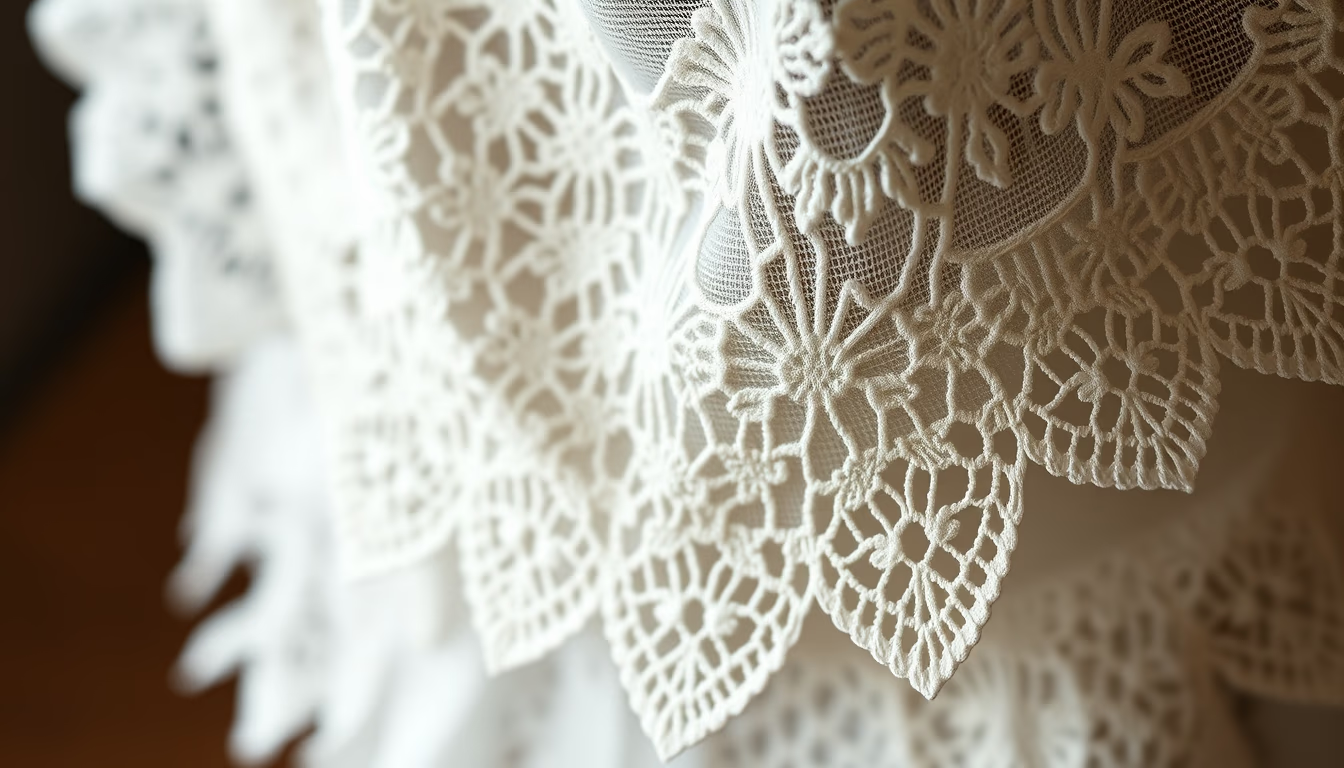
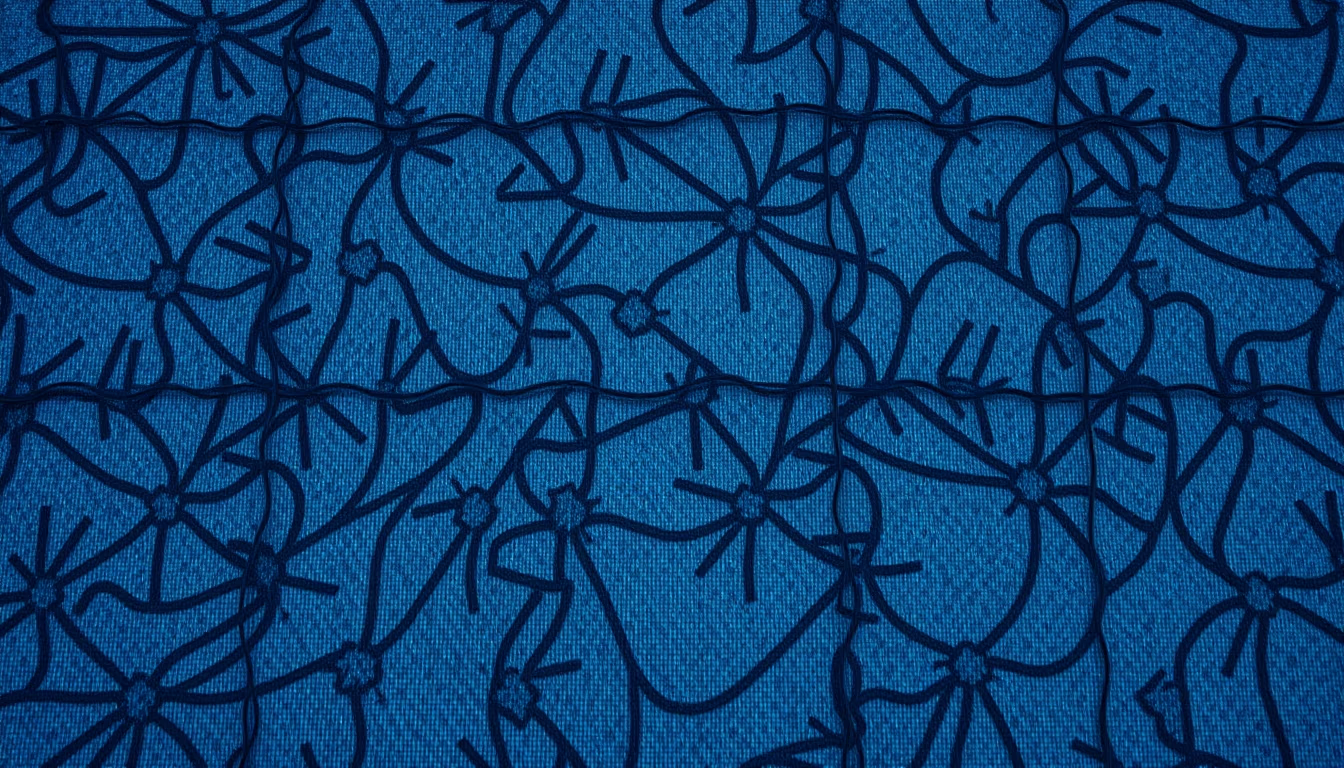
Persian rug weaving
1344×768 · AVIF · CC BY 4.0
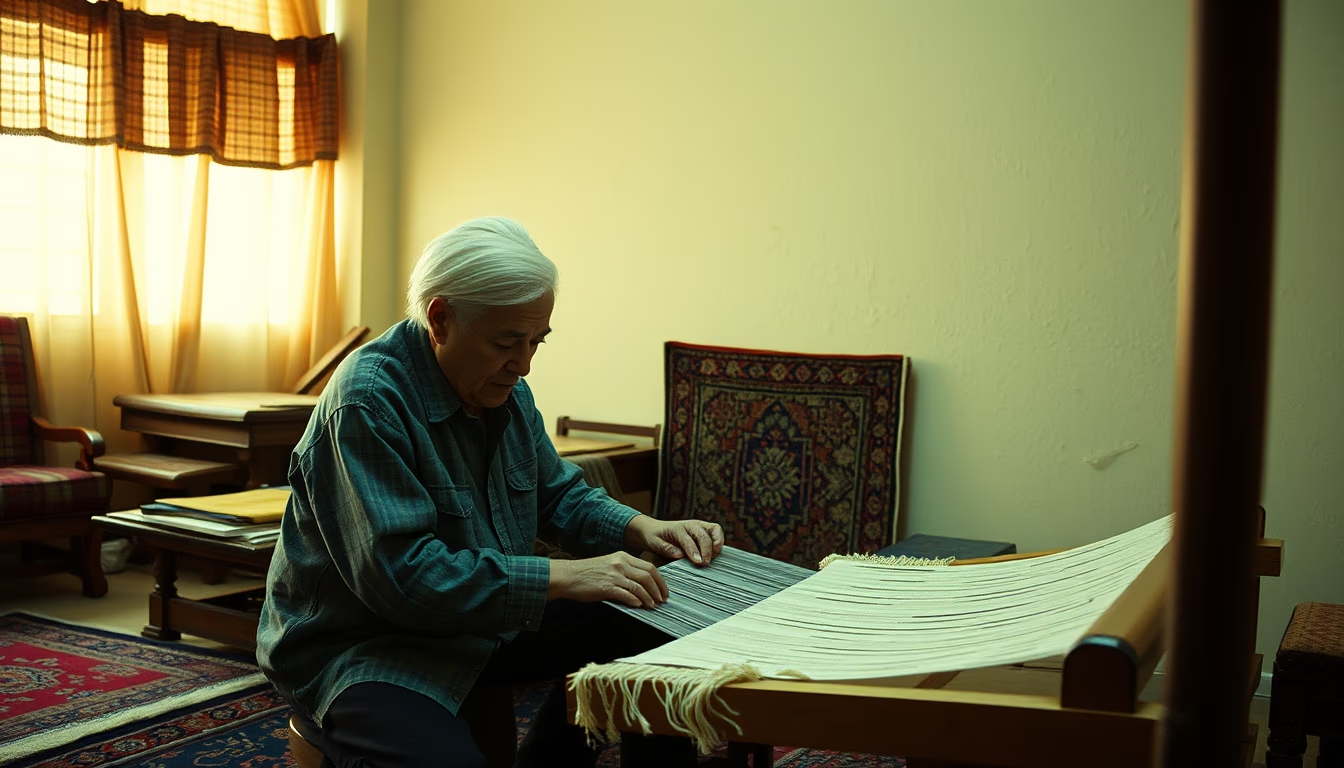
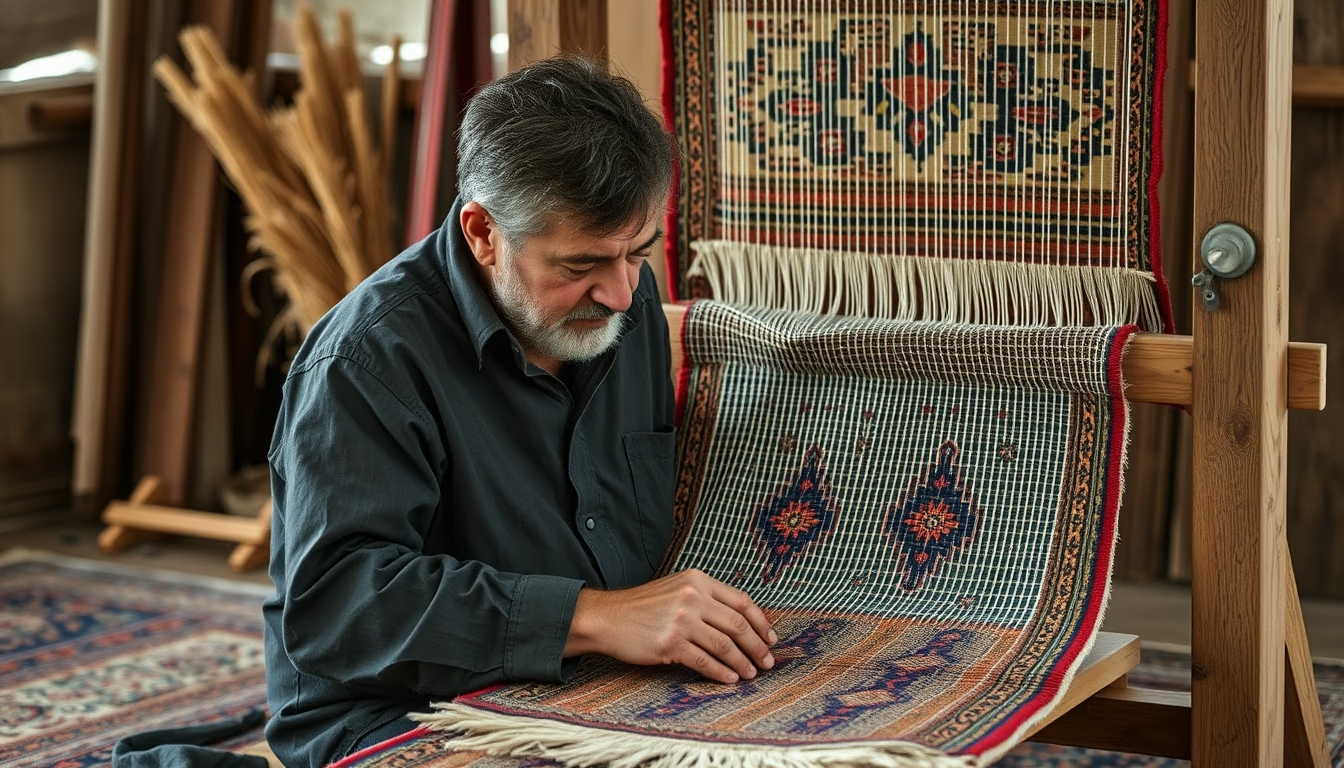
The Persian handloom is one of the world's oldest textile techniques, blending centuries of tradition, symbolism and artisan skill in every knot.
About this subject
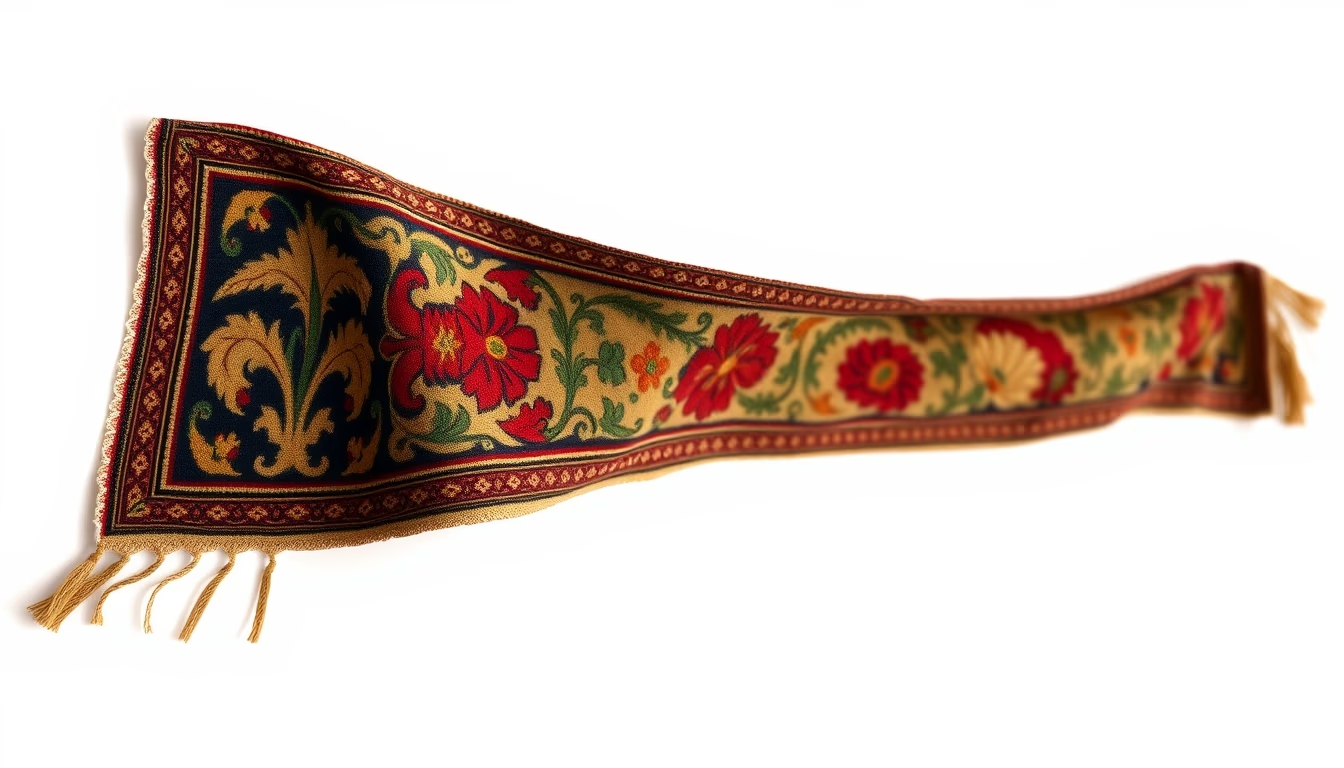
Persian rug weaving dates back over 2,500 years, originating in ancient Persia, modern-day Iran. This millennia-old art form uses handlooms where artisans dedicate months or years to create unique pieces. The main technique is hand-knotting, with two types of knots: the symmetrical Turkish knot and the asymmetrical Persian or Senneh knot. The choice of knot affects the rug's density and durability. Common materials include wool, silk and cotton, dyed with natural colorants from plants, insects and minerals. Each region of Iran developed distinct styles: Tabriz is known for floral medallions, Isfahan for classical compositions and Kashan for fine silk rugs. The geometric and curvilinear patterns carry cultural and religious symbolism, such as representations of the garden of paradise. Rug production involves the entire family, with knowledge passed down through generations. UNESCO recognized the art of carpet weaving in Iran as Intangible Cultural Heritage in 2010. Today, these rugs are prized worldwide as art objects and investments, with antique pieces fetching millions at auction. The complexity of designs and knot count per square meter define the quality of the piece.
Frequently Asked Questions
How long does it take to weave a Persian rug?
The time varies greatly depending on size, knot density and design complexity. A small rug may take 2 to 6 months, while large elaborate pieces can require 1 to 3 years of continuous work.
What makes a Persian rug valuable?
Key factors are hand-knotting technique, quality of materials (wool, silk), age, rarity of design, regional origin and condition. Antique rugs from renowned regions such as Tabriz or Isfahan command high prices.
How can I identify an authentic Persian rug?
Look for hand-tied knots (slight irregularities on the back), use of natural dyes (soft, non-uniform colors) and origin label. Genuine rugs come with a certificate of authenticity and each knot can be inspected manually.
Direct URL
https://pub-c7d6a6ea828543ac903a74a341ccb2e1.r2.dev/imagens/persian-rug-weaving-lo-fi-disposable-camera-fresh2.avifHow to credit
Include a visible link back to UtilizAí. Copy one of the snippets below:
<a href="https://xn--utiliza-eza.com/en/midia/imagens/persian-rug-weaving-lo-fi-disposable-camera-fresh2">Persian rug weaving</a> by <a href="https://xn--utiliza-eza.com">UtilizAí</a>, licensed under <a href="https://creativecommons.org/licenses/by/4.0/">CC BY 4.0</a>.
[Persian rug weaving](https://xn--utiliza-eza.com/en/midia/imagens/persian-rug-weaving-lo-fi-disposable-camera-fresh2) by [UtilizAí](https://xn--utiliza-eza.com), CC BY 4.0
License: CC-BY-4.0