Persian rug weaving
1344×768 · AVIF · CC BY 4.0
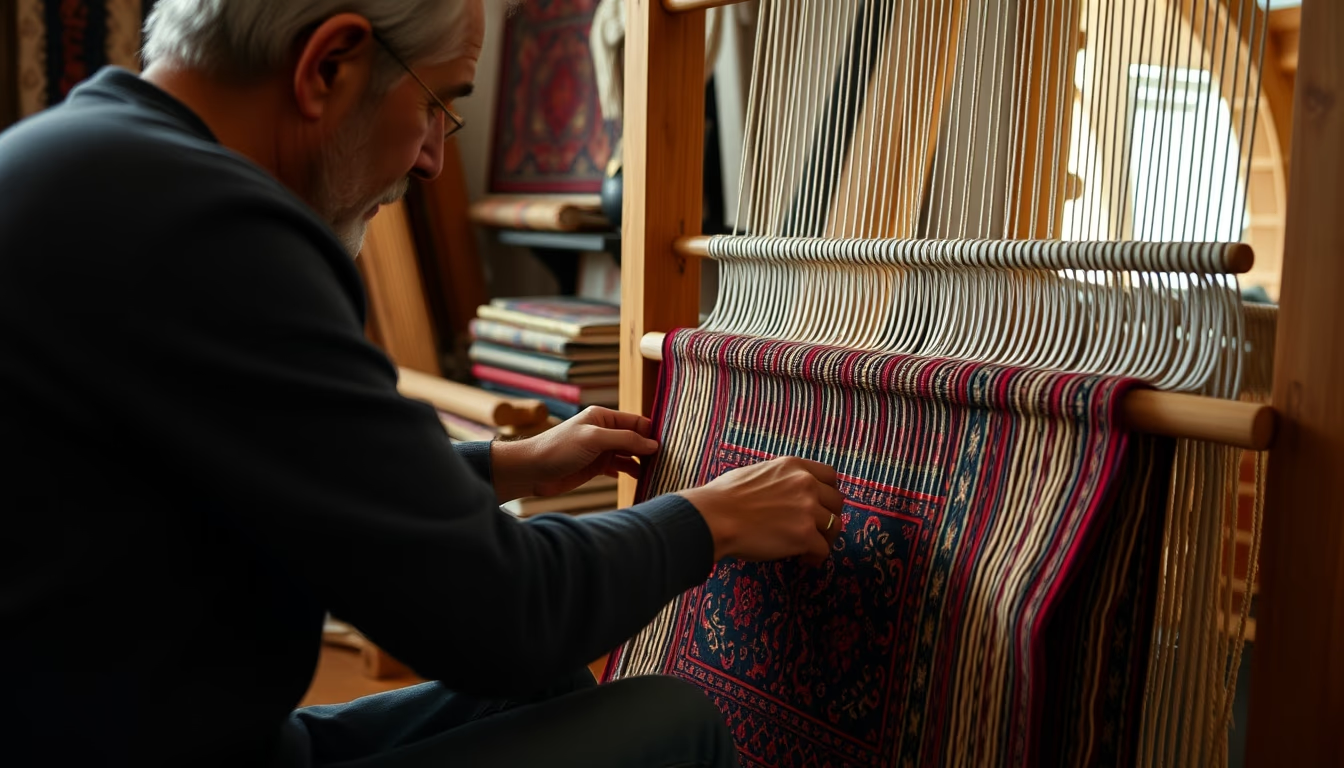
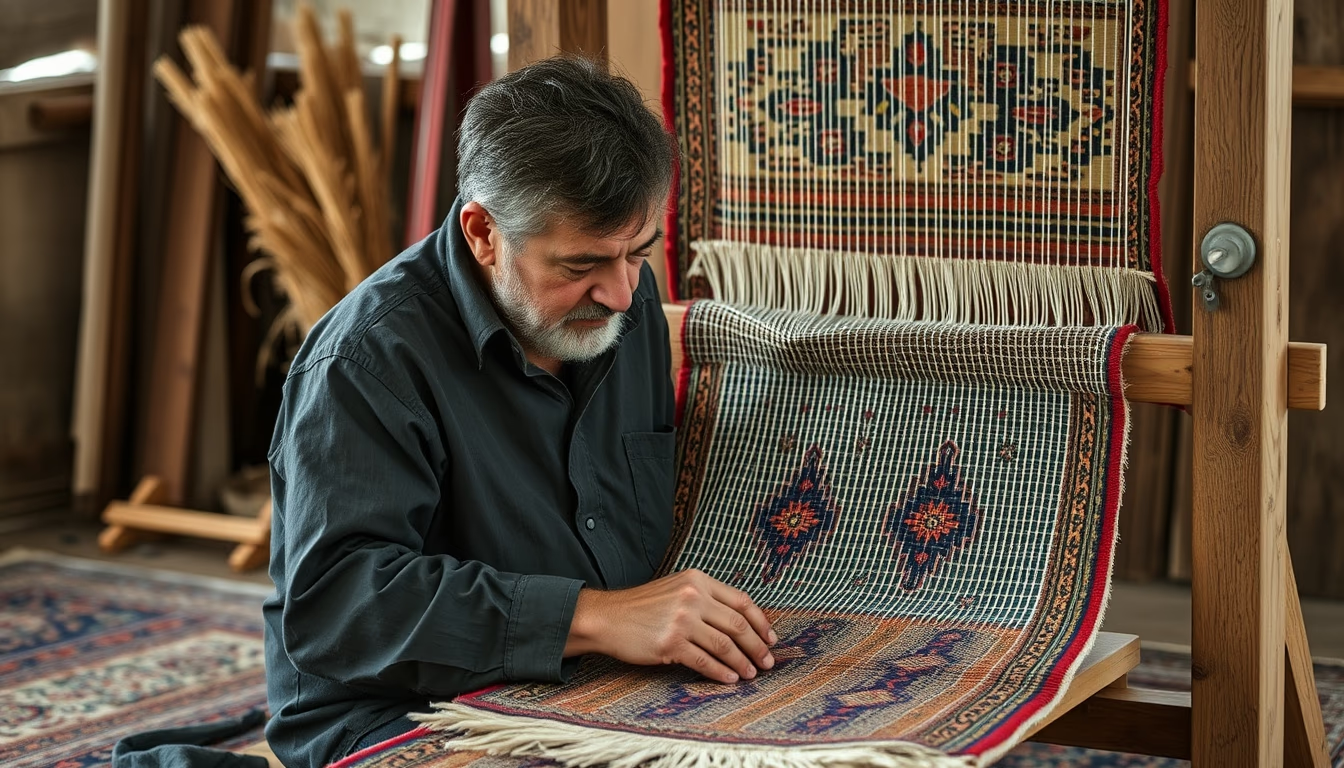
Persian rug weaving, an ancient craft combining ancestral techniques with cultural symbolism, produces pieces of high artistic and economic value.
About this subject
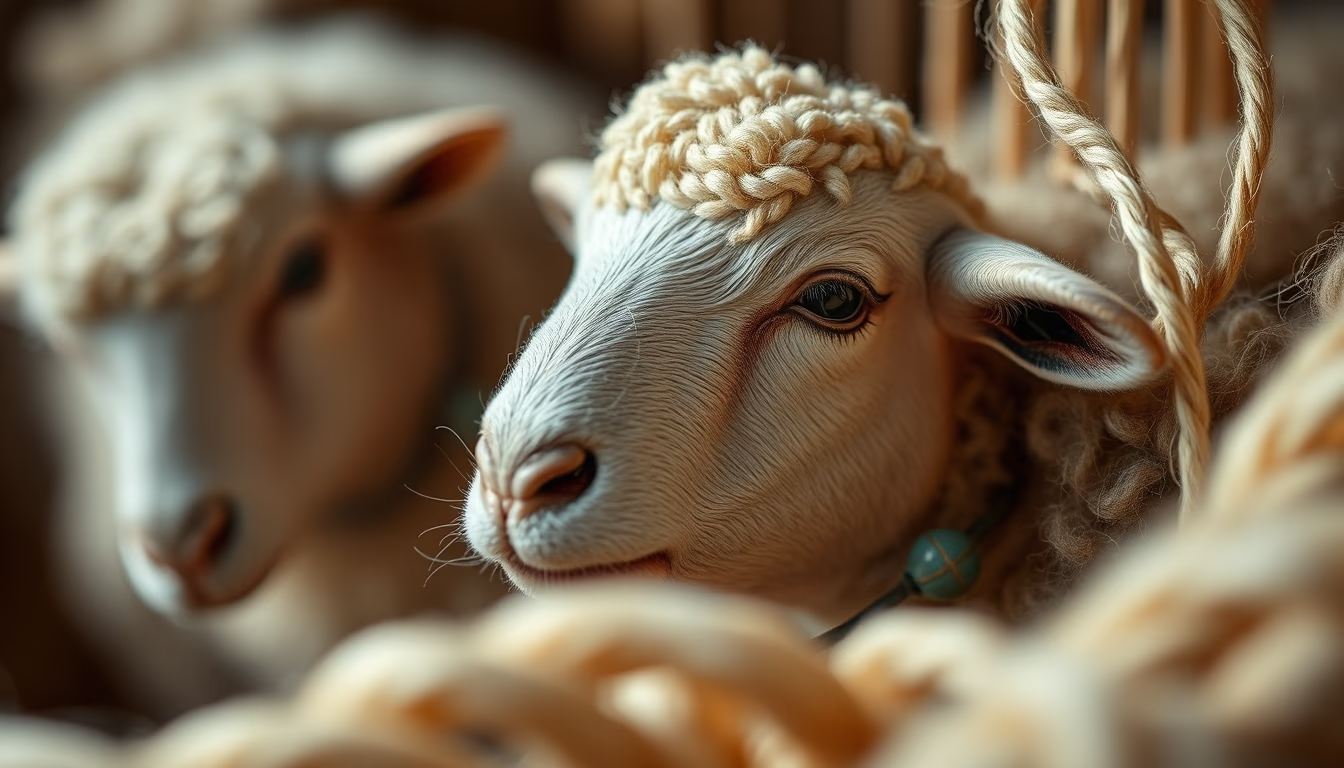
Persian rugs are handwoven in Iran since the 5th century BC, using the asymmetric Persian knot (Senneh) on vertical looms. Wool, silk, and cotton are the main materials, with high-quality wool sourced from sheep in the Khorasan region. Each city has its style: Tabriz produces floral and geometric patterns, Isfahan is known for arabesques and hunting scenes, Qom uses silk for intricate designs, and Kashan is famous for silk rugs with vibrant hues.
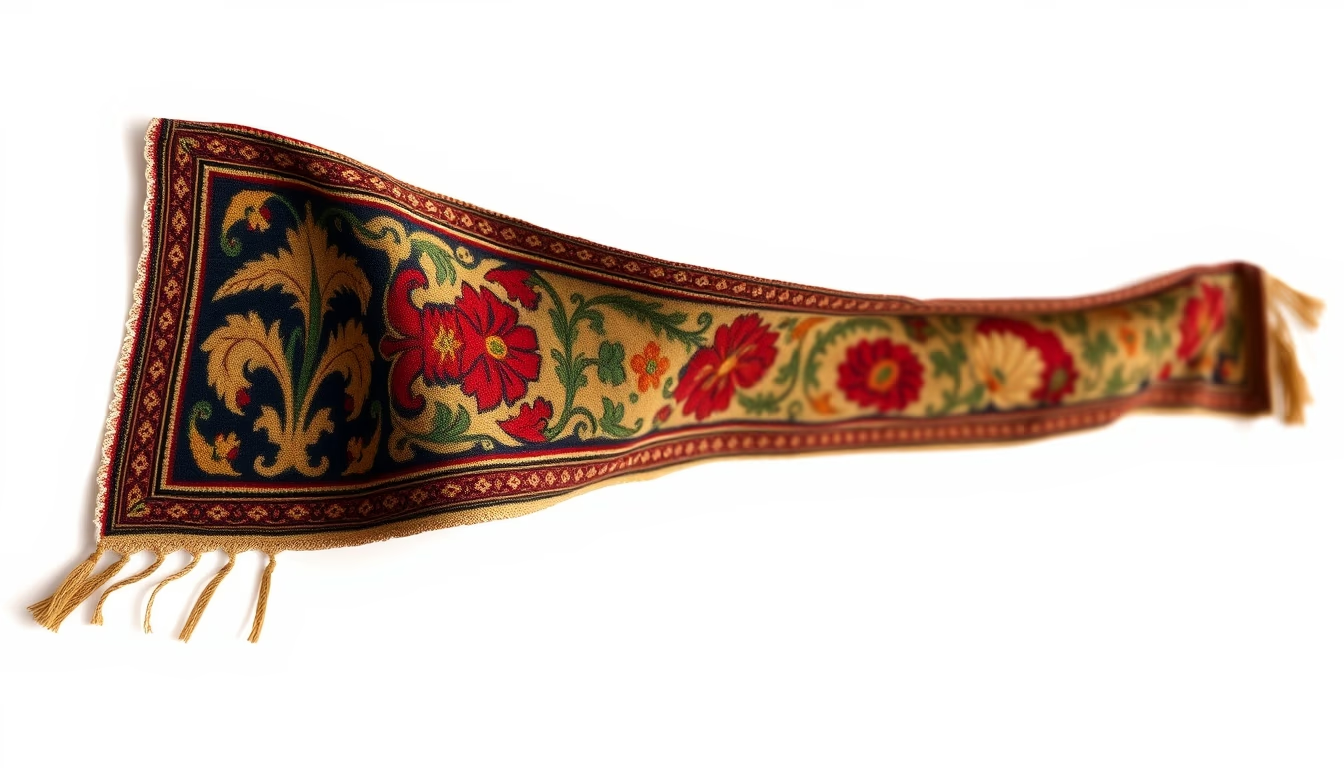
The technique involves hand-tied knots on warp threads, allowing great freedom of design. Colors come from natural dyes such as cochineal (red), indigo (blue), and saffron (yellow), giving durable shades that improve with age. Each rug tells stories: motifs of Shah Abbas, bent cypresses, guls (rosettes), and dragons. Weaving is a family craft passed down through generations, with women and children often involved in rural villages.
Economically, the Persian rug is one of Iran's main export products, moving millions of dollars annually. Antique or high-density pieces can fetch hundreds of thousands of dollars at international auctions. UNESCO recognized the traditional weaving of Iranian rugs as Intangible Cultural Heritage of Humanity in 2010, highlighting its cultural and technical importance.
Interestingly, an average Persian rug can have 100 to 800 knots per square inch. Finer rugs, like those from Qom, reach 1,200 knots. Producing a 2x3 meter rug can take from 6 months to 2 years, depending on complexity. Today, global demand keeps the tradition alive, with new generations learning the craft in specialized schools in Tabriz and Isfahan.
Frequently Asked Questions
What differentiates a Persian rug from other oriental rugs?
The asymmetric Persian knot (Senneh) is the main difference, allowing more curvilinear and detailed designs. Also, Persian rugs use natural dyes and region-specific patterns from Iran.
How long does it take to weave a Persian rug?
It depends on size, knot density, and design complexity. A medium 2x3 meter rug can take 6 months to 2 years. Fine, large rugs may require several years of work.
How to identify the authenticity of a Persian rug?
Check the number of knots per square inch (higher means finer), look for slight imperfections (handmade signs), verify origin certification, and examine materials (wool, silk, cotton).
Direct URL
https://pub-c7d6a6ea828543ac903a74a341ccb2e1.r2.dev/imagens/persian-rug-weaving-film-grain-authentic-fresh1.avifHow to credit
Include a visible link back to UtilizAí. Copy one of the snippets below:
<a href="https://xn--utiliza-eza.com/en/midia/imagens/persian-rug-weaving-film-grain-authentic-fresh1">Persian rug weaving</a> by <a href="https://xn--utiliza-eza.com">UtilizAí</a>, licensed under <a href="https://creativecommons.org/licenses/by/4.0/">CC BY 4.0</a>.
[Persian rug weaving](https://xn--utiliza-eza.com/en/midia/imagens/persian-rug-weaving-film-grain-authentic-fresh1) by [UtilizAí](https://xn--utiliza-eza.com), CC BY 4.0
License: CC-BY-4.0