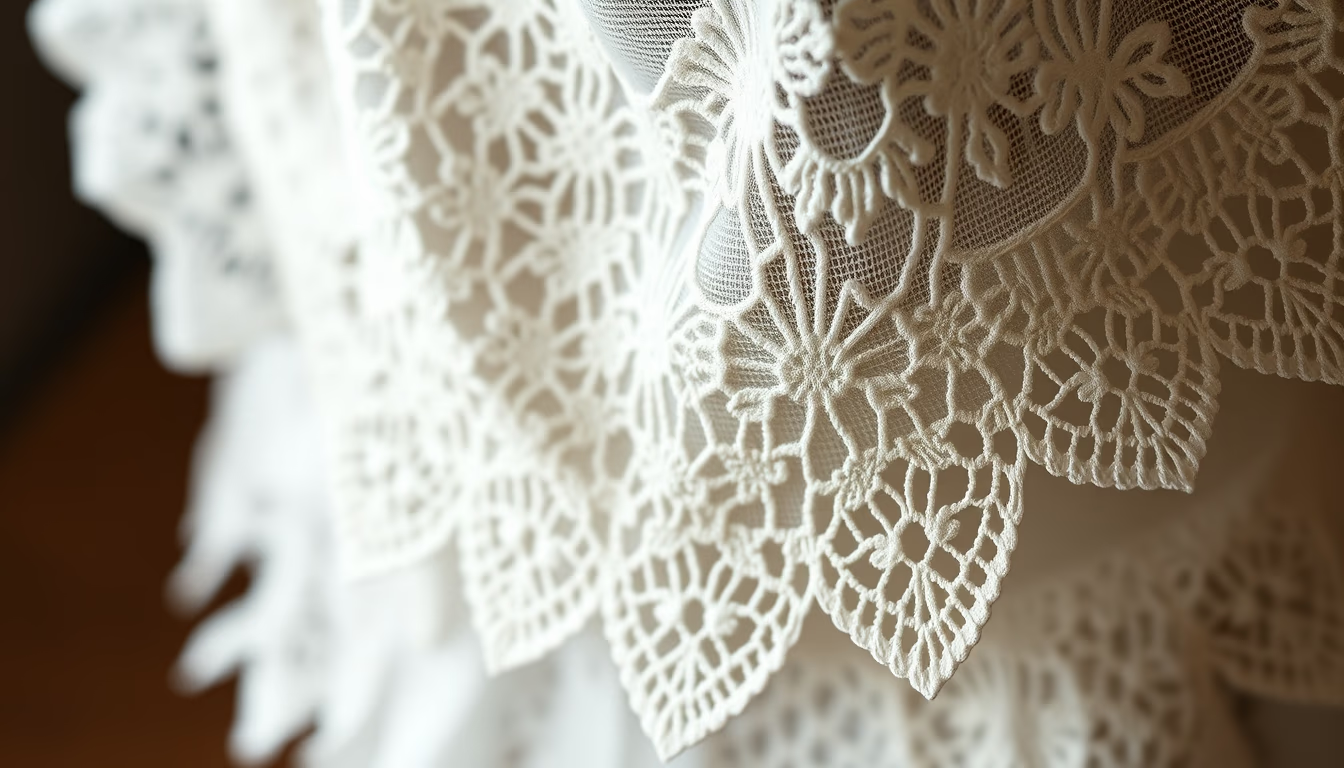
Persian rug weaving
1344×768 · AVIF · CC BY 4.0
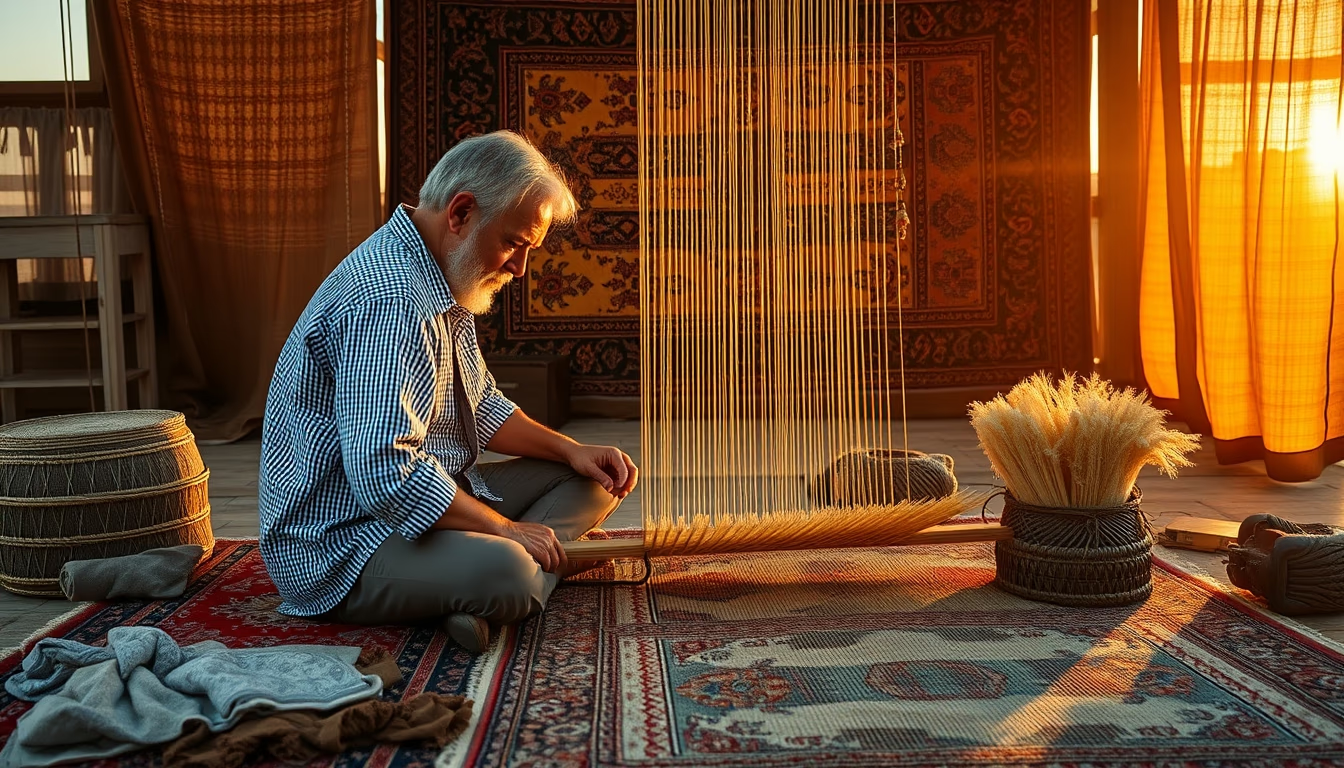
Persian rug weaving is an ancient Iranian craft, recognized by UNESCO as Intangible Cultural Heritage, combining complex manual techniques with deep cultural symbolism.
About this subject
Persian rug weaving dates back over 2,500 years, originating with the nomadic tribes of Persia (modern-day Iran). This handcrafted tradition is passed down through generations, especially in regions like Tabriz, Isfahan, Kashan, Shiraz, and Qom. Each area developed distinct styles, characterized by different knot types (sennéh, more symmetric, and ghiordes, more asymmetric), materials (high-quality wool, silk, and cotton), and designs often depicting gardens, flowers, animals, and geometric patterns. In 2010, UNESCO inscribed Persian carpet weaving on the Representative List of the Intangible Cultural Heritage of Humanity, highlighting its central role in Iranian cultural identity.
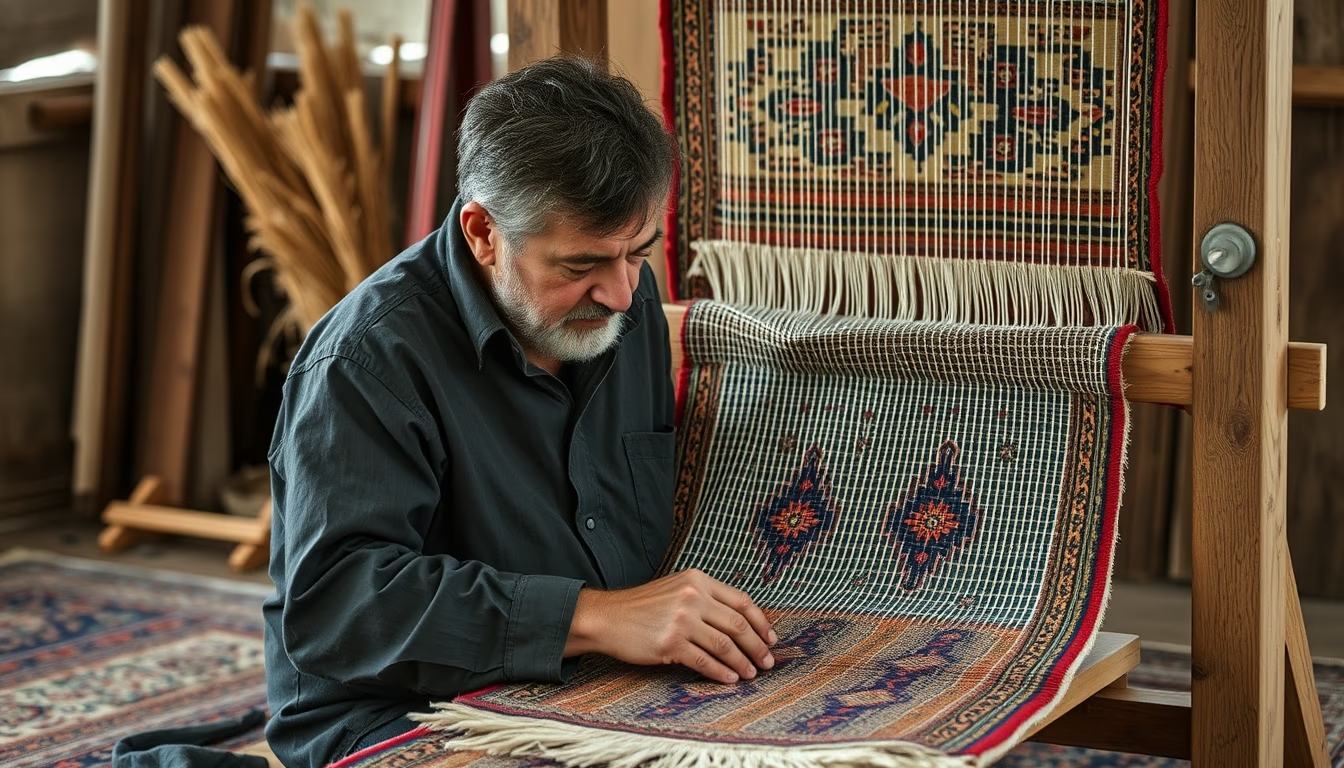
The production process of a Persian rug is meticulous and can take from a few months to several years, depending on size and pattern complexity. First, the loom is set up, usually made of wood, and the warp threads are stretched. The weaver follows a design called naghsh, which can be a paper cartoon or a mental diagram passed orally. Each knot is tied manually onto the warp threads; after each row of knots, a weft thread is inserted and beaten with a comb to compact the structure. Finally, the pile is trimmed to even height, and the rug is washed and sun-dried. Traditional colors come from natural dyes: red from madder root, blue from indigo, yellow from turmeric or pomegranate rind.
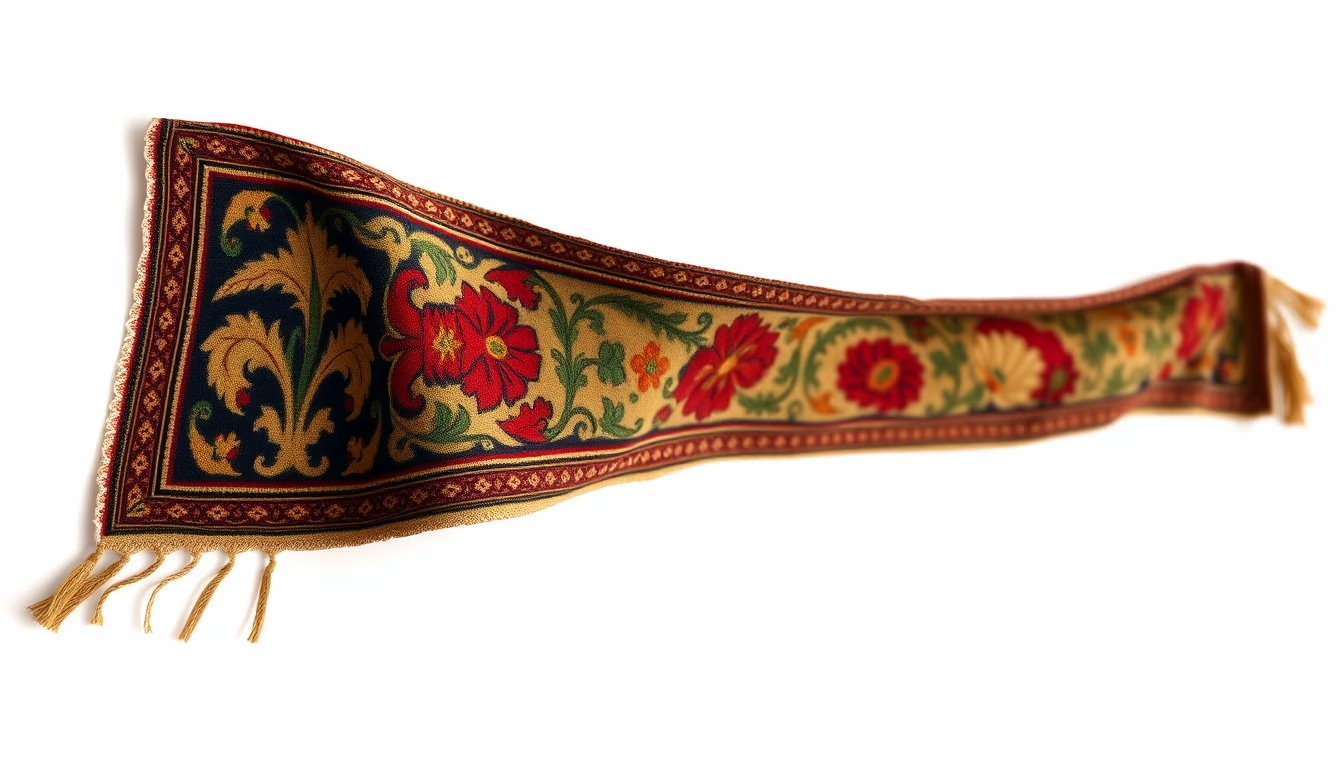
Patterns in Persian rugs carry symbolic meanings. The garden motif (golestan) represents an earthly paradise, with flowers like the tulip (symbol of love) and cypress (immortality). Animals such as the lion (strength) and peacock (beauty) are common, as are stars and central medallions evoking divine unity. Some rugs feature calligraphic inscriptions with poems or Quranic verses. This iconographic richness makes each piece a unique visual narrative.
Interestingly, the largest Persian rug in the world, made in 2007 in Isfahan, measures an impressive 5,600 square meters and took about two years to complete by a team of 1,200 weavers. Unfortunately, the global popularity of Persian rugs has led to a market of industrial copies, especially from countries like India, Pakistan, and China. To ensure authenticity, it is essential to check knot density (the more knots, the finer and more valuable the rug) and seek certificates of origin from Iranian associations.
Frequently Asked Questions
How can I identify an authentic Persian rug?
Check the knot density per square meter, favoring asymmetric (sennéh) knots in fine rugs. Look for slight irregularities typical of handmade work, such as color and thread variations. Demand a certificate of origin from Iranian entities like the National Carpet Association of Iran, and be wary of very low prices.
Which region is most famous for Persian rugs?
Tabriz is known for floral designs and central medallions, Isfahan for garden patterns and silk, Kashan for silk rugs with fine knots, Qom for high-quality silk rugs, and Shiraz for tribal and geometric designs.
Why are Persian rugs so expensive?
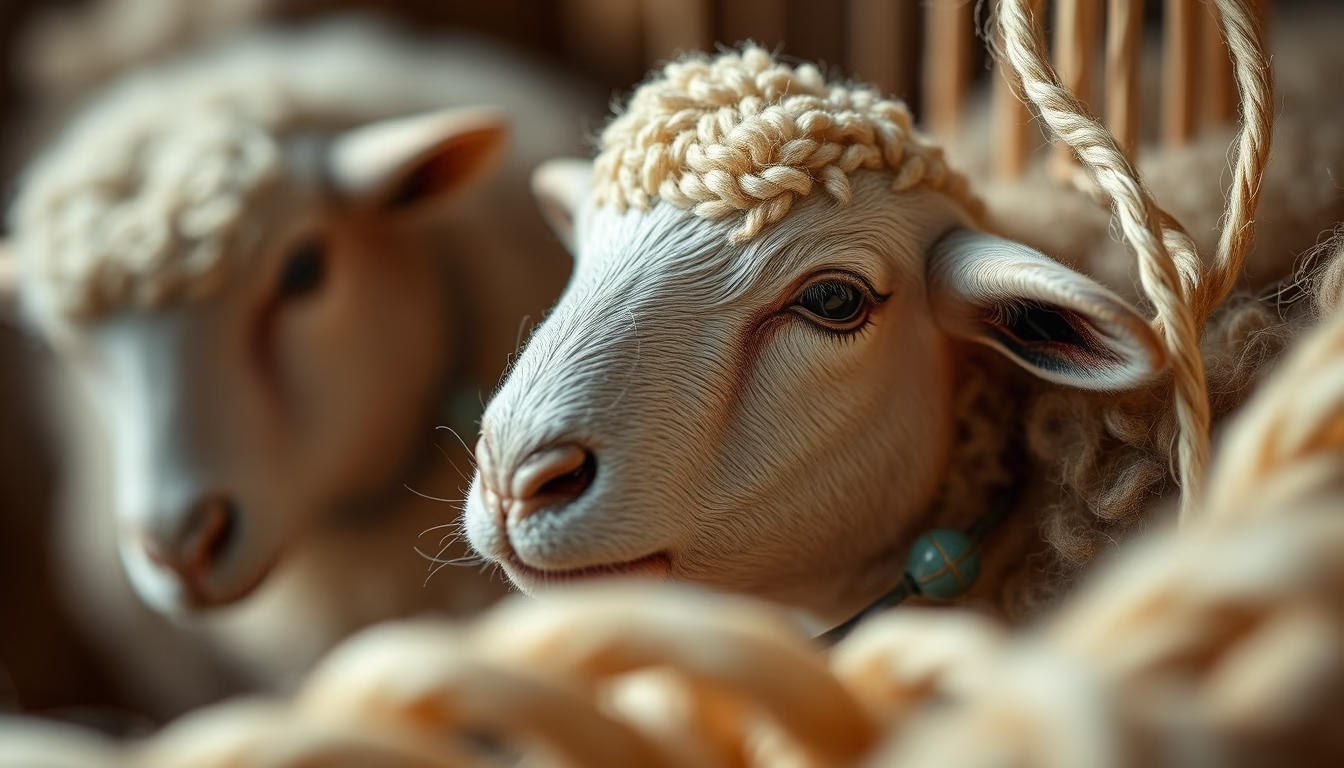
The high cost stems from the intensive manual labor that can take months or years, the use of premium materials like wool from native sheep and silk dyed with natural dyes, and the artistic tradition making each piece a unique work of art. Silk rugs with high knot densities are among the most valuable.
Direct URL
https://pub-c7d6a6ea828543ac903a74a341ccb2e1.r2.dev/imagens/persian-rug-weaving-cinematic-wide-shot-fresh10.avifHow to credit
Include a visible link back to UtilizAí. Copy one of the snippets below:
<a href="https://xn--utiliza-eza.com/en/midia/imagens/persian-rug-weaving-cinematic-wide-shot-fresh10">Persian rug weaving</a> by <a href="https://xn--utiliza-eza.com">UtilizAí</a>, licensed under <a href="https://creativecommons.org/licenses/by/4.0/">CC BY 4.0</a>.
[Persian rug weaving](https://xn--utiliza-eza.com/en/midia/imagens/persian-rug-weaving-cinematic-wide-shot-fresh10) by [UtilizAí](https://xn--utiliza-eza.com), CC BY 4.0
License: CC-BY-4.0