Persian rug weaving
1344×768 · AVIF · CC BY 4.0
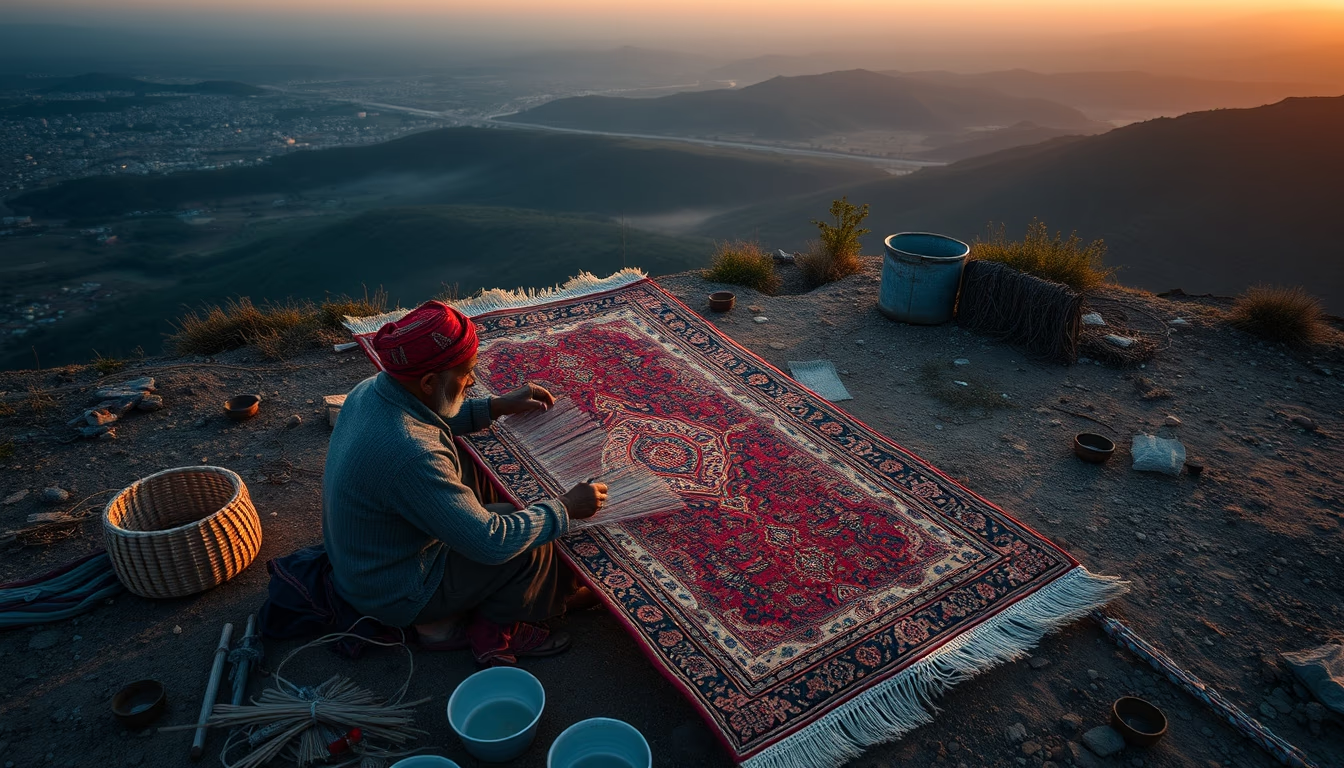
Persian rug weaving is an ancient art that combines traditional techniques, cultural symbolism, and manual skill, recognized by UNESCO as Intangible Cultural Heritage.
About this subject
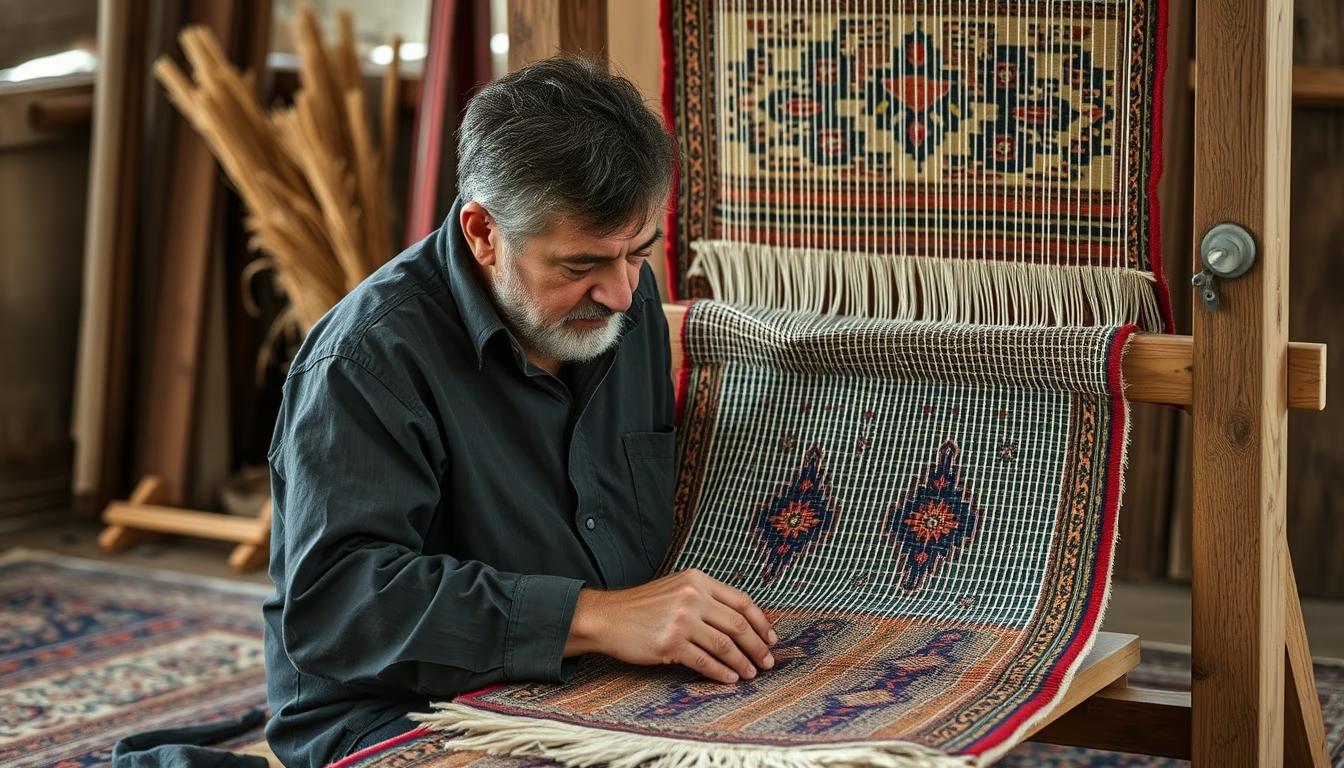
Persian rug weaving dates back over 2,500 years, with origins in the Achaemenid and Safavid empires. The rugs are primarily produced in Iran, where cities such as Tabriz, Isfahan, Kashan, and Qom are renowned centers. The technique involves a loom on which wool, silk, or cotton threads are hand-knotted, forming geometric, floral, or medallion patterns. Knot density, measured in knots per square centimeter, determines the quality and detail. Natural dyes from plants like madder (red) and indigo (blue) provide vibrant, lasting colors.
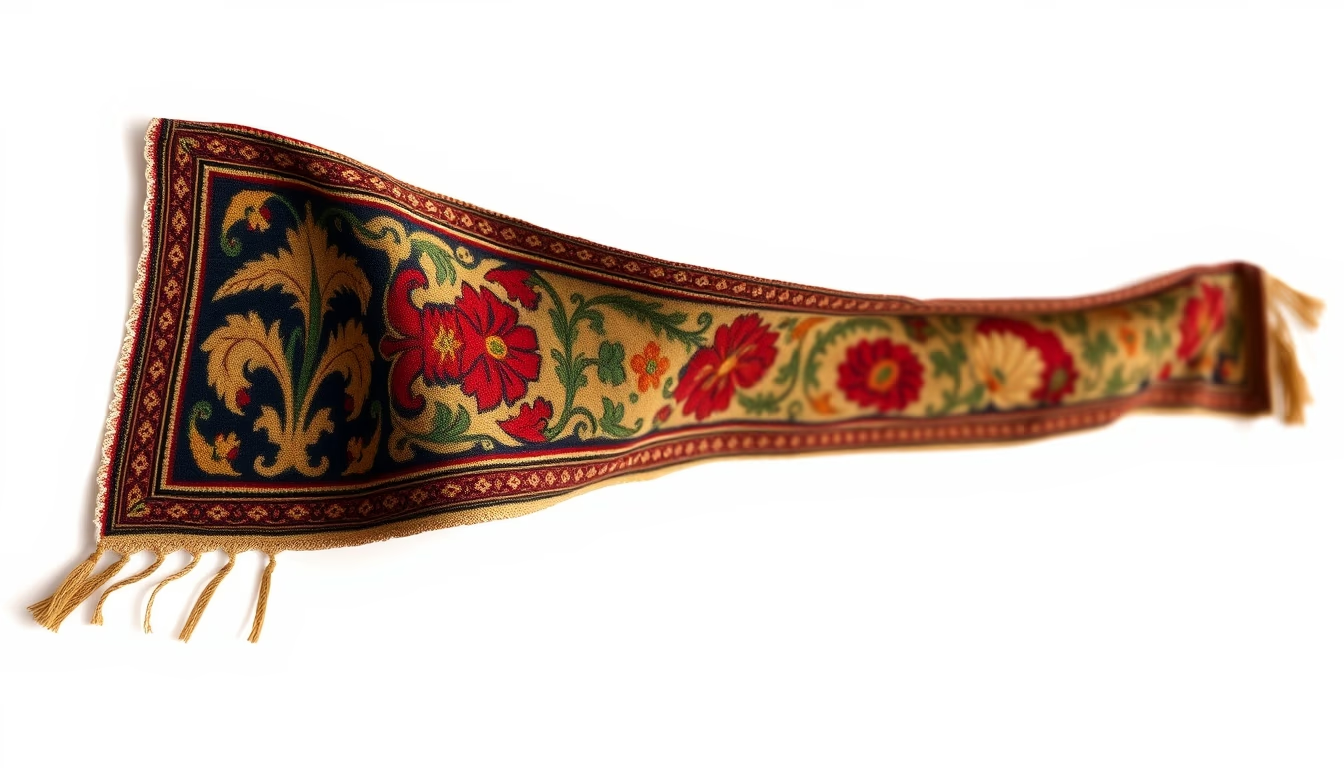
Each Iranian region has distinct styles. For instance, Tabriz rugs are known for intricate designs and silk use, while Kashan rugs feature floral motifs and soft colors. Symbolism is rich: patterns like the göl (flower) represent prosperity, and the tree of life symbolizes immortality. UNESCO inscribed Persian rug weaving in 2010 on the Representative List of the Intangible Cultural Heritage of Humanity, highlighting its intergenerational transmission.
Today, the industry faces challenges such as competition from machine-made rugs and a shortage of skilled artisans. However, authentic Persian rugs remain highly valued as art and investments. A medium-sized rug can take months or years to complete, depending on size and complexity. Certification of origin is crucial to guarantee authenticity, and many rugs bear the weaver's signature or information about the village of production.
Interestingly, the Persian (or senneh) knot is one of two main knot types in the Middle East, the other being the Turkish (ghiordes) knot. The Persian knot is asymmetrical, allowing for smoother curves, ideal for floral patterns. The production also involves rituals: weavers often sing or recite poetry to maintain rhythm and focus.
Frequently Asked Questions
How long does it take to weave a Persian rug?
The time varies by size, knot density, and design complexity. A small rug may take a few weeks, while a large, detailed one can require months or even years of work.
What are the most famous Persian rug designs?
Designs include floral, geometric, central medallions, hunting, and garden patterns. The "Gol Farang" (European flower) and "Herati" (fish) are classic, globally recognized motifs.
How can I identify an authentic Persian rug?
Check knot density (more knots indicate higher quality), ensure straight edges and hand-tied fringes. Irregular knots on the back and natural dyes are also signs of authenticity.
Direct URL
https://pub-c7d6a6ea828543ac903a74a341ccb2e1.r2.dev/imagens/persian-rug-weaving-aerial-drone-shot-fresh12.avifHow to credit
Include a visible link back to UtilizAí. Copy one of the snippets below:
<a href="https://xn--utiliza-eza.com/en/midia/imagens/persian-rug-weaving-aerial-drone-shot-fresh12">Persian rug weaving</a> by <a href="https://xn--utiliza-eza.com">UtilizAí</a>, licensed under <a href="https://creativecommons.org/licenses/by/4.0/">CC BY 4.0</a>.
[Persian rug weaving](https://xn--utiliza-eza.com/en/midia/imagens/persian-rug-weaving-aerial-drone-shot-fresh12) by [UtilizAí](https://xn--utiliza-eza.com), CC BY 4.0
License: CC-BY-4.0