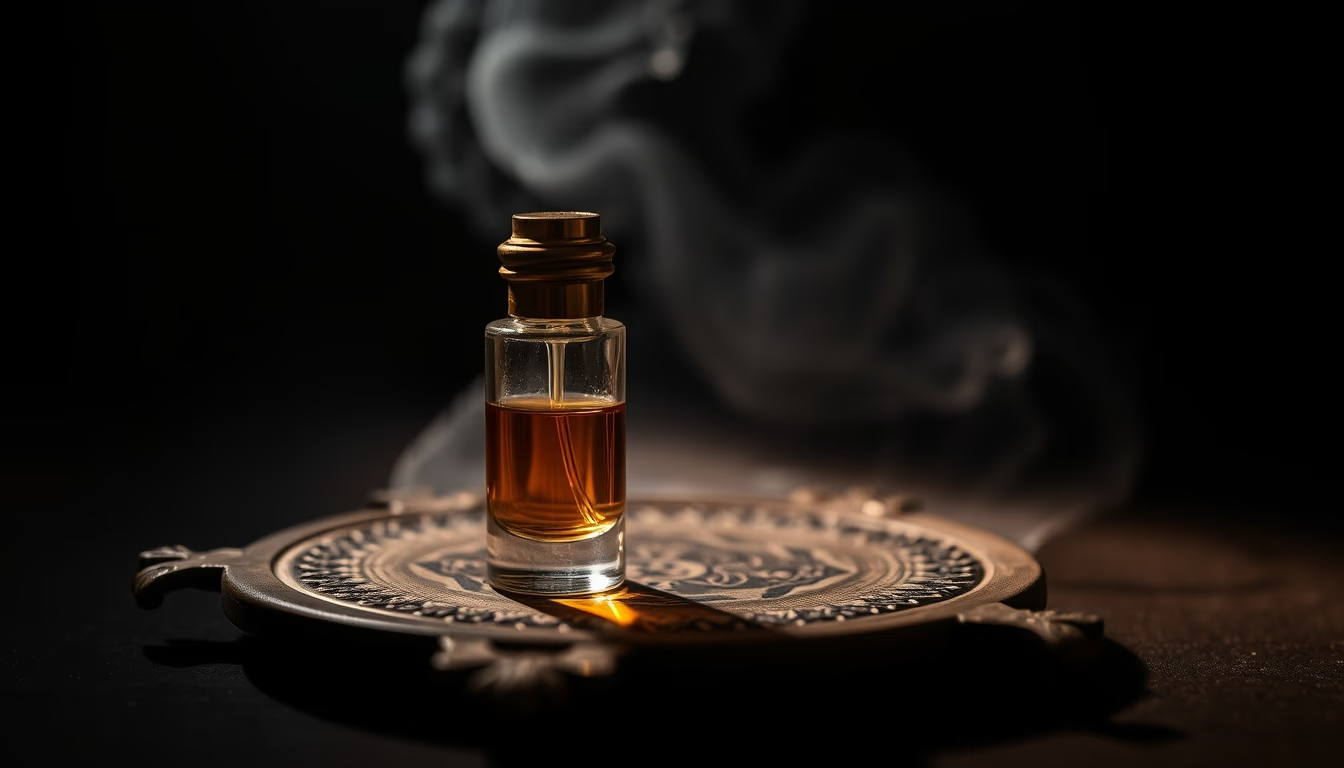
Persian perfume vial
1344×768 · AVIF · CC BY 4.0
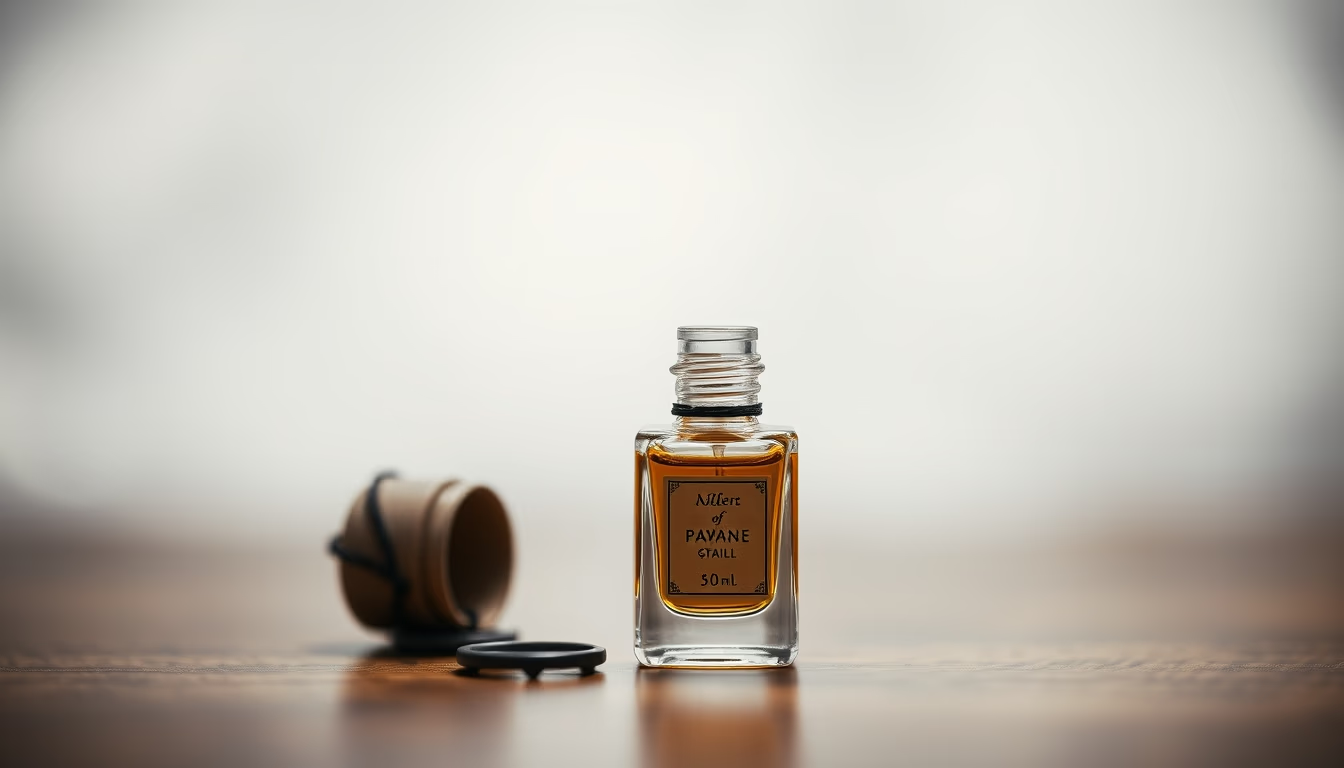
Handcrafted Persian perfume vial with enamel and calligraphy details, typical of Iranian perfumery and hospitality tradition.
About this subject
Persian perfume vials, called 'atrdan' or 'shisheh', have origins dating back to ancient Persia, where perfume was an integral part of culture and medicine. These containers were often crafted from glass, ceramic, or metal, with shapes ranging from simple to highly ornate. The enameling technique known as 'minakari' and metal inlay called 'khatamkari' were common, resulting in pieces that blended functionality and art. Many vials featured calligraphy of poetic verses, especially from poets like Hafiz and Rumi, who celebrated scents such as rose, musk, and amber.
Beyond aesthetics, these vials played a key role in Persian hospitality. In traditional homes, it was customary to offer perfume to guests as a welcome gesture, and the vials were displayed in special niches called 'tāqcheh'. The production of essences like rose oil (golāb) and oud (ʿūd) was a refined art, and the vials were designed to preserve the purity and intensity of aromas for long periods.
Today, ancient Persian perfume vials are highly valued collector's items, and contemporary artisans keep the tradition alive by using centuries-old techniques to create pieces that engage with modern design. The tilt-shift miniature effect in the image simulates a reduced scale perspective, highlighting the intricate details and aged patina that tell stories of centuries of olfactory culture.
Regional stylistic diversity is also notable: vials from Isfahan are known for their blue and turquoise enamels, while those from Shiraz often feature arabesques and floral motifs. Each piece is a testament to the skill of Persian artisans in transforming utilitarian objects into works of art.
Frequently Asked Questions
What is the history of Persian perfume vials?
Persian perfume vials date back to antiquity, used to store essences like rose oil and musk. They were made from glass, ceramic, or metal, decorated with enamel (minakari) and calligraphy, and were part of Iranian hospitality culture.
How are the vials traditionally decorated?
They employ techniques such as minakari (colorful enameling) and khatamkari (metal inlay). Many feature calligraphed poetic verses and floral or geometric motifs, especially from the Isfahan and Shiraz regions.
What is the cultural significance of these vials?
They symbolize hospitality and refinement. They were offered to visitors as a welcome and displayed in domestic niches. Today, they are collector's items preserving Persian artisanal heritage.
Direct URL
https://pub-c7d6a6ea828543ac903a74a341ccb2e1.r2.dev/imagens/persian-perfume-vial-tilt-shift-miniature-fresh10.avifHow to credit
Include a visible link back to UtilizAí. Copy one of the snippets below:
<a href="https://xn--utiliza-eza.com/en/midia/imagens/persian-perfume-vial-tilt-shift-miniature-fresh10">Persian perfume vial</a> by <a href="https://xn--utiliza-eza.com">UtilizAí</a>, licensed under <a href="https://creativecommons.org/licenses/by/4.0/">CC BY 4.0</a>.
[Persian perfume vial](https://xn--utiliza-eza.com/en/midia/imagens/persian-perfume-vial-tilt-shift-miniature-fresh10) by [UtilizAí](https://xn--utiliza-eza.com), CC BY 4.0
License: CC-BY-4.0