Pasta fresh handmade
1344×768 · AVIF · CC BY 4.0
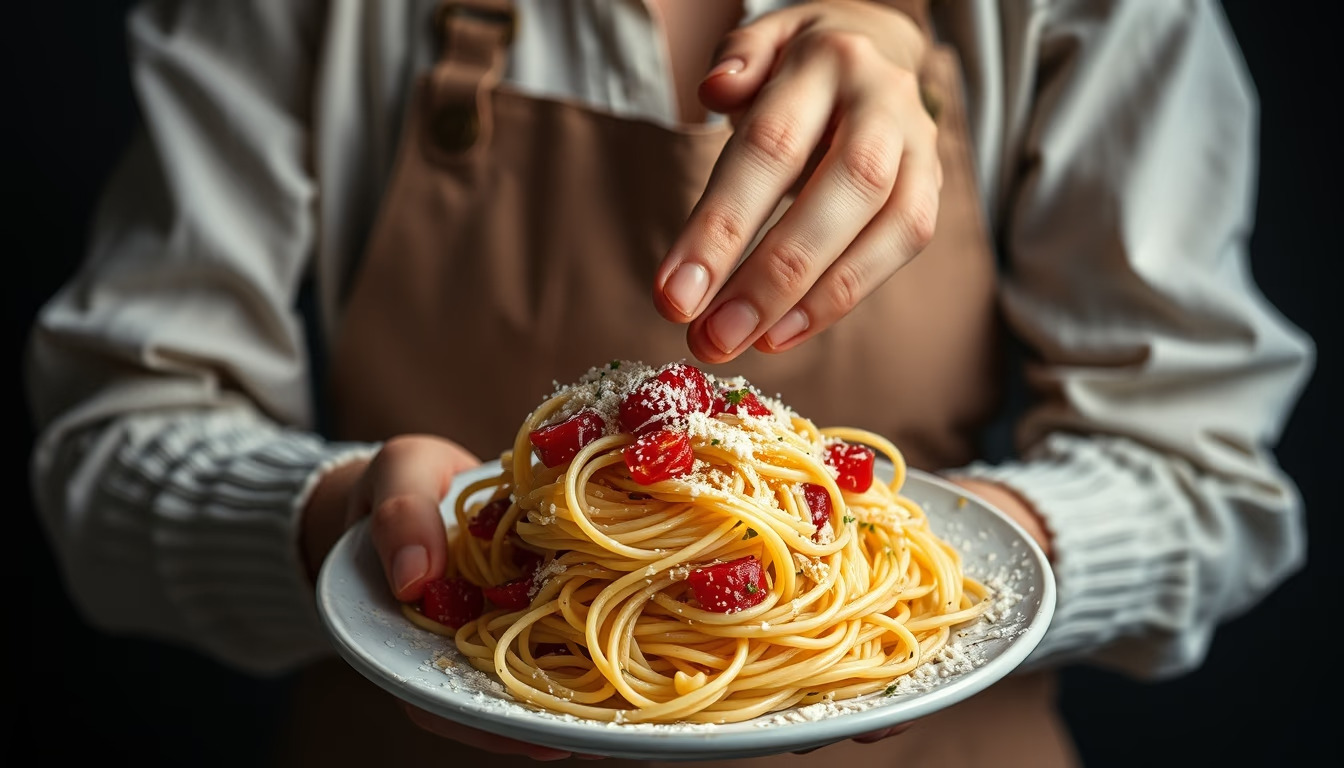
Fresh handmade pasta is the foundation of Italian cuisine, and its manual preparation preserves unique texture and flavor.
About this subject
Fresh handmade pasta is a staple of Italian cuisine, with techniques dating back to the 13th century when Italy solidified its food culture. Unlike industrial pasta, it is made with durum wheat semolina and fresh eggs, without preservatives or forced drying. This process gives it a soft, elastic texture that better absorbs sauces and enhances each ingredient's flavor.
The manual preparation involves kneading the dough to a homogeneous consistency, then rolling it with a pin or machine and cutting it into desired shapes such as tagliatelle, fettuccine, or ravioli. In Italy, regions like Emilia-Romagna and Lazio are renowned, but the practice has spread globally through immigration and the appreciation of artisanal gastronomy.
The 2026 trend points to a revival of ancestral methods in fine dining, where fresh pasta takes center stage. Its production demands time and skill, aligning with the slow food movement and the concept of 'real food'. Moreover, its versatility allows pairing with seasonal ingredients: truffles, seafood, or aged cheeses, creating dishes that balance tradition and innovation.
A fun fact: fresh pasta cooks much faster than dried pasta, about 2 to 4 minutes, because it already contains moisture. To store it, you can freeze or partially dry it, but it is best consumed on the same day it is made.
Frequently Asked Questions
What is the difference between handmade and industrial pasta?
Handmade pasta is prepared manually with fresh ingredients and no preservatives, resulting in a soft texture and richer flavor. Industrial pasta is dried at high temperatures, has longer shelf life, and a firmer texture.
What are the main ingredients of fresh handmade pasta?
The basic ingredients are durum wheat semolina flour, fresh eggs, and salt. Variations may include spinach (for green pasta) or tomato (for red pasta).
Why does fresh pasta cook faster than dried pasta?
Because it contains more moisture (about 30% versus 12% in dried pasta), fresh pasta cooks in just 2 to 4 minutes, while dried pasta takes 8 to 12 minutes.
Direct URL
https://pub-c7d6a6ea828543ac903a74a341ccb2e1.r2.dev/imagens/pasta-fresh-handmade-high-fashion-editorial-p0.avifHow to credit
Include a visible link back to UtilizAí. Copy one of the snippets below:
<a href="https://xn--utiliza-eza.com/en/midia/imagens/pasta-fresh-handmade-high-fashion-editorial-p0">Pasta fresh handmade</a> by <a href="https://xn--utiliza-eza.com">UtilizAí</a>, licensed under <a href="https://creativecommons.org/licenses/by/4.0/">CC BY 4.0</a>.
[Pasta fresh handmade](https://xn--utiliza-eza.com/en/midia/imagens/pasta-fresh-handmade-high-fashion-editorial-p0) by [UtilizAí](https://xn--utiliza-eza.com), CC BY 4.0
License: CC-BY-4.0