Pasta fresh handmade
1344×768 · AVIF · CC BY 4.0
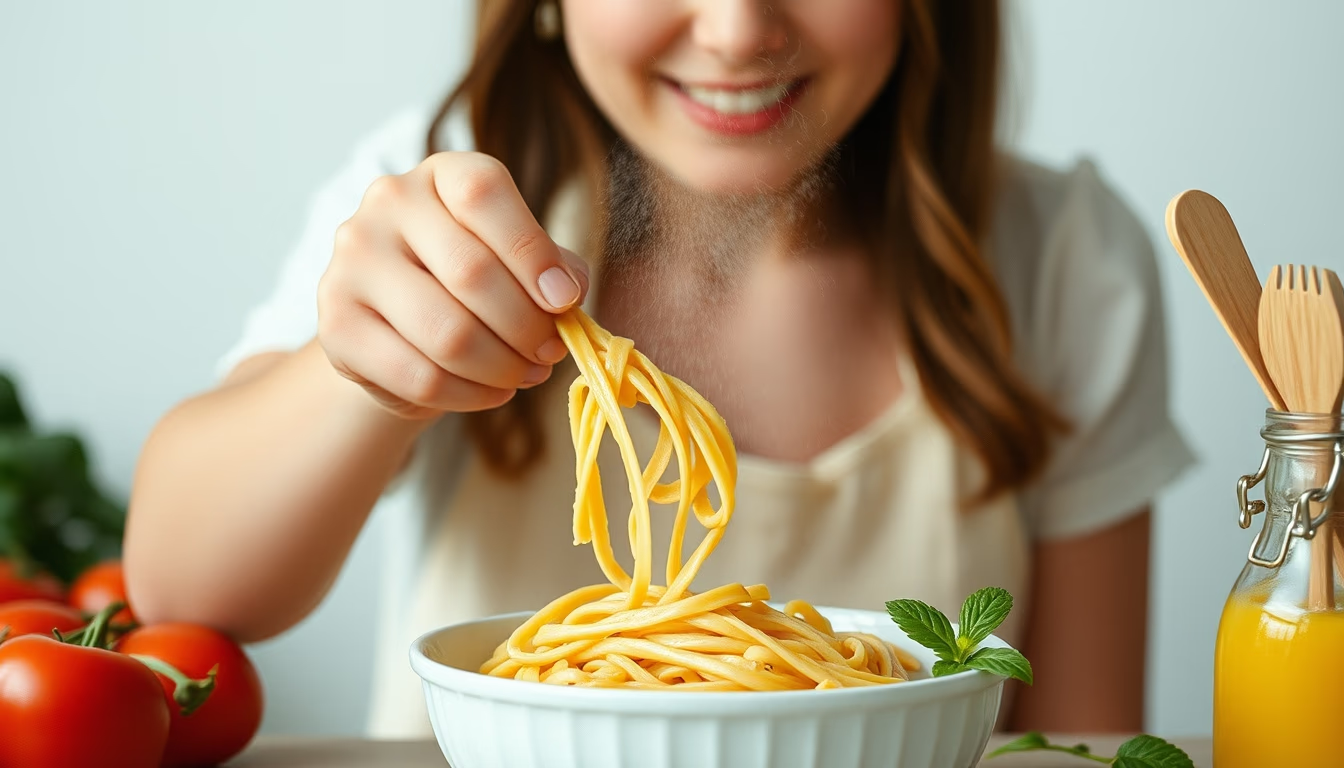
Fresh handmade pasta embodies a culinary tradition that combines simplicity and flavor, forming the foundation of Italian cuisine.
About this subject
Fresh handmade pasta is made from basic ingredients: wheat flour, eggs, and occasionally a drizzle of olive oil or salt. The classic ratio is 100 grams of flour per egg, but regional variations include the use of semolina, spinach, or squid ink to color and flavor. The kneading process, which requires strength and patience, develops gluten, ensuring the characteristic elastic and tender texture.
In Italy, each region has specific shapes and recipes. In the north, egg-based pasta like tagliatelle and tortellini prevails. In the south, eggless pasta made with semolina and water is more common, resulting in shapes such as orecchiette and cavatelli. The tradition of making pasta at home dates back centuries, a family ritual passed down through generations, especially during festivities.
Artisanal preparation offers sensory benefits: the pasta cooks faster than dried pasta, has a richer flavor, and a porous texture that better absorbs sauces. Additionally, it allows complete control over ingredients, avoiding preservatives and additives. Freshness is crucial, as the pasta loses quality within a few days even when refrigerated.
Culturally, fresh pasta symbolizes hospitality and comfort in Italy, associated with Sunday family lunches. Outside Italy, its popularity grew with Italian immigration and is now enjoyed in restaurants and homes worldwide. The slow food movement and appreciation of artisan methods have further boosted interest in traditional preparation techniques.
Frequently Asked Questions
What is the difference between fresh and dried pasta?
Fresh pasta contains eggs and higher moisture, cooking in minutes. Dried pasta is made only with semolina and water, undergoes prolonged drying, and has a much longer shelf life.
How long does fresh handmade pasta last?
In the refrigerator, 2 to 3 days. It can be frozen for up to 3 months. To freeze, form nests or lay pieces on a baking sheet, then transfer to a plastic bag.
Which flour is best for fresh pasta?
Italian tipo 00 flour, with fine granulation and high gluten content, is preferred. In many countries, all-purpose flour can be used, sometimes mixed with semolina for extra firmness.
Direct URL
https://pub-c7d6a6ea828543ac903a74a341ccb2e1.r2.dev/imagens/pasta-fresh-handmade-film-grain-authentic-p2.avifHow to credit
Include a visible link back to UtilizAí. Copy one of the snippets below:
<a href="https://xn--utiliza-eza.com/en/midia/imagens/pasta-fresh-handmade-film-grain-authentic-p2">Pasta fresh handmade</a> by <a href="https://xn--utiliza-eza.com">UtilizAí</a>, licensed under <a href="https://creativecommons.org/licenses/by/4.0/">CC BY 4.0</a>.
[Pasta fresh handmade](https://xn--utiliza-eza.com/en/midia/imagens/pasta-fresh-handmade-film-grain-authentic-p2) by [UtilizAí](https://xn--utiliza-eza.com), CC BY 4.0
License: CC-BY-4.0