Pasta fresh handmade
1344×768 · AVIF · CC BY 4.0
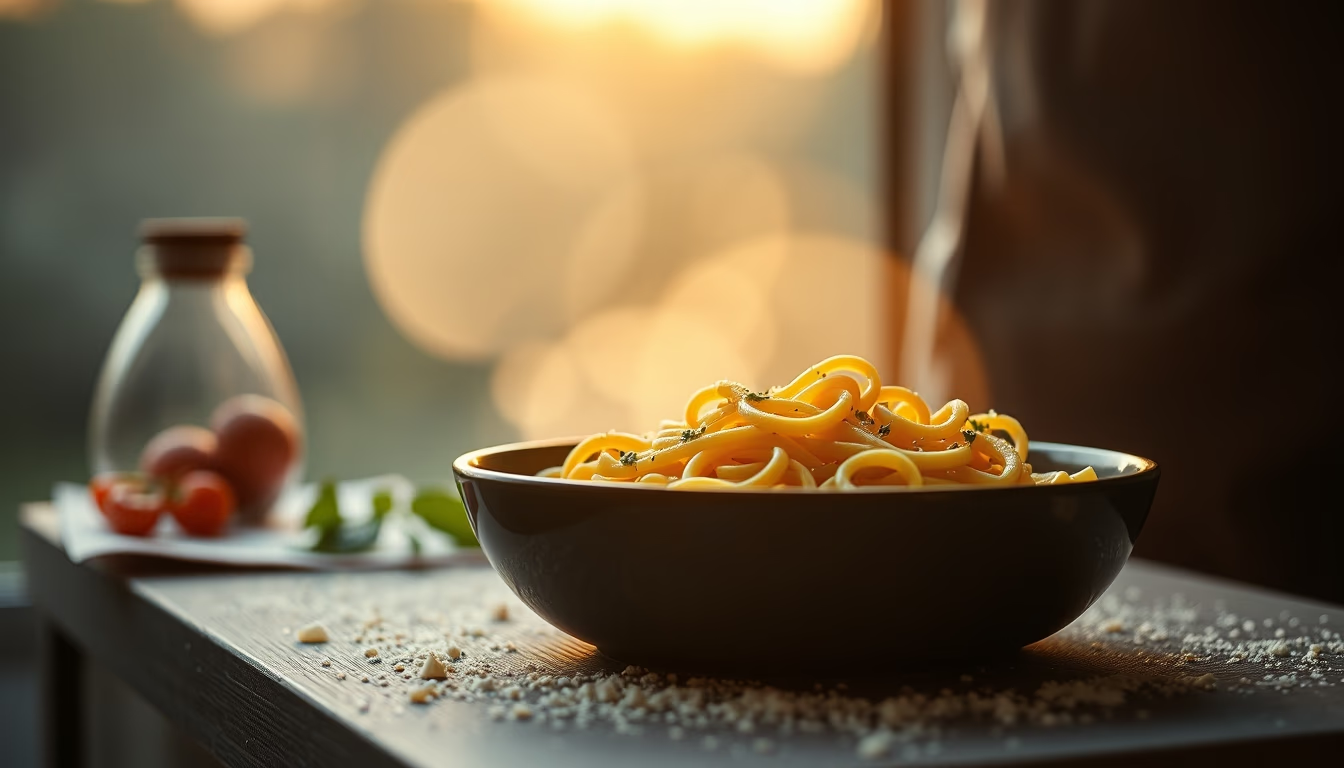
The artisanal process of making fresh pasta, from ingredient selection to shaping, is a cherished culinary tradition valued globally.
About this subject
Fresh pasta is a versatile food distinct from its industrial dried counterpart primarily due to the inclusion of eggs and the absence of prolonged drying. Its history traces back to ancient Italy, but the craft was refined in regions like Emilia-Romagna and Campania. The handmade process begins with mixing wheat flour, typically tipo 00 or semolina, with fresh eggs and sometimes olive oil, followed by vigorous kneading until smooth and elastic. Resting the dough for about 30 minutes relaxes the gluten, making it easier to roll and cut into shapes. Traditional varieties include tagliatelle, fettuccine, ravioli, and tortellini. Fresh pasta cooks much faster than dry pasta, usually 2 to 4 minutes, and has a tender texture and delicate egg flavor. Globally, the artisanal pasta movement has gained momentum as part of the farm-to-table trend, with chefs and home cooks embracing traditional techniques. According to the International Pasta Organization, global pasta production exceeded 16 million tons in 2022, with fresh pasta accounting for about 5% of that volume. Italy leads in fresh pasta consumption per capita, followed by Brazil and Argentina. The resurgence of handmade pasta is also linked to cultural preservation, as many families pass down recipes and techniques through generations.
Frequently Asked Questions
What is the difference between fresh and dried pasta?
Fresh pasta contains eggs and has a moisture content of 30% to 35%, while dried pasta is below 12%. Fresh pasta cooks in minutes, has a tender texture and richer flavor, but must be refrigerated and consumed within 3 days.
Can handmade fresh pasta be frozen?
Yes, fresh pasta can be frozen for up to 3 months. Lightly dry the pieces on a tray, freeze for 1 hour, then transfer to an airtight bag. Cook directly from frozen, no need to thaw.
What are the most common types of handmade fresh pasta?
Common types include tagliatelle, fettuccine, pappardelle, ravioli, tortellini, and gnocchi. Each Italian region has its specialties, and many countries have local adaptations.
Direct URL
https://pub-c7d6a6ea828543ac903a74a341ccb2e1.r2.dev/imagens/pasta-fresh-handmade-cinematic-wide-shot-p5.avifHow to credit
Include a visible link back to UtilizAí. Copy one of the snippets below:
<a href="https://xn--utiliza-eza.com/en/midia/imagens/pasta-fresh-handmade-cinematic-wide-shot-p5">Pasta fresh handmade</a> by <a href="https://xn--utiliza-eza.com">UtilizAí</a>, licensed under <a href="https://creativecommons.org/licenses/by/4.0/">CC BY 4.0</a>.
[Pasta fresh handmade](https://xn--utiliza-eza.com/en/midia/imagens/pasta-fresh-handmade-cinematic-wide-shot-p5) by [UtilizAí](https://xn--utiliza-eza.com), CC BY 4.0
License: CC-BY-4.0