Pasta fresh handmade
1344×768 · AVIF · CC BY 4.0
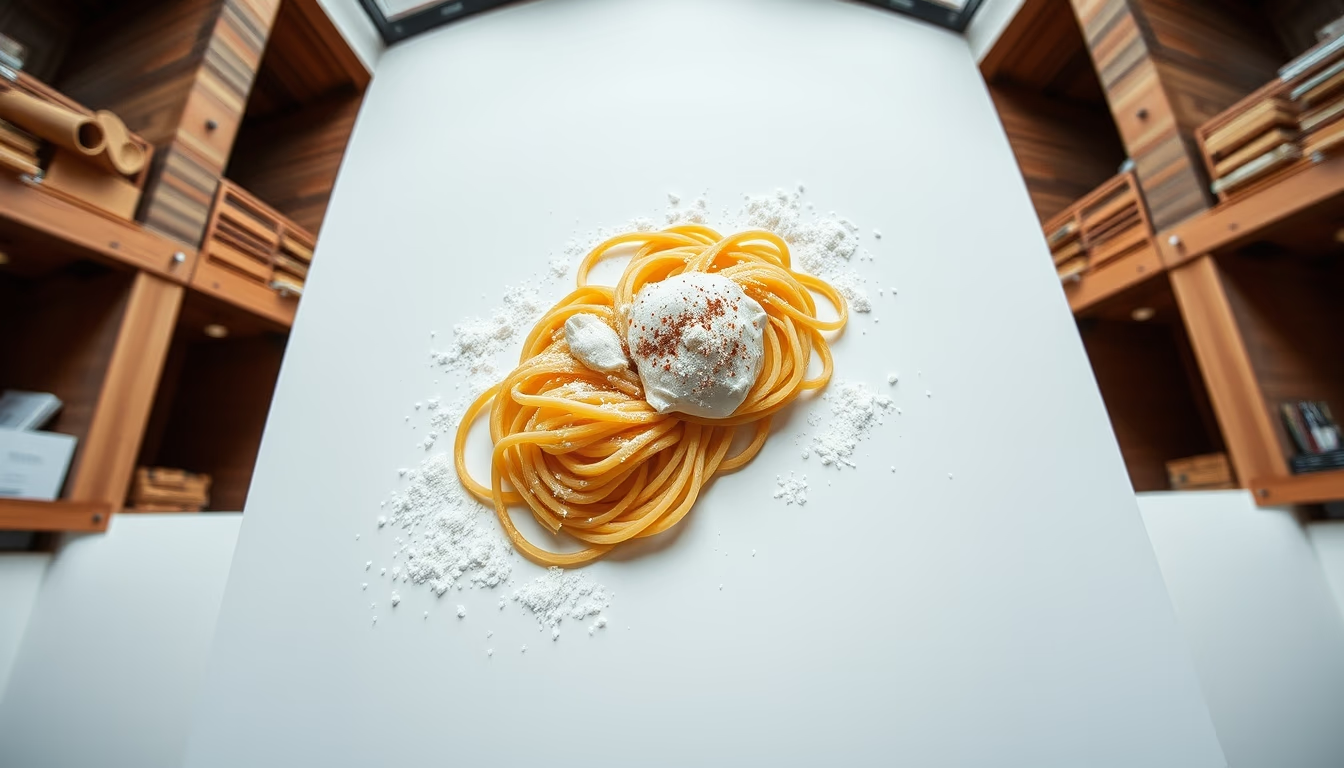
Fresh handmade pasta combines centuries-old tradition with manual techniques that preserve unique texture and flavor.
About this subject
Fresh handmade pasta is made from simple ingredients like wheat flour, eggs and salt, but the manual technique makes all the difference. Unlike dry industrial pasta, the fresh version has higher hydration and a softer texture, ideal for absorbing sauces. Originating in Italy, the tradition of hand-making pasta dates back to the 13th century, but each region developed its own shapes and recipes, such as tagliatelle in Emilia-Romagna and orecchiette in Puglia.
The kneading and rolling process requires experience to achieve the right consistency. The use of specific flours, such as tipo 00 or semolina, influences elasticity. Many chefs recommend consuming fresh pasta on the same day, as it has a short shelf life. However, freezing fresh pasta (before cooking) is a common practice to preserve flavor.
In recent years, the movement towards local ingredients and artisanal techniques has driven a rediscovery of fresh pasta. Specialized restaurants and home workshops have proliferated, encouraging people to experience the incomparable texture of handmade fettuccine. Additionally, fresh pasta is more nutritious than industrial varieties because it does not undergo prolonged drying processes. The choice of eggs (organic, free-range) and whole grain flours can also enrich the nutritional profile.
Interesting fact: in Italy, the term "sfoglia" describes the thin sheet of hand-rolled pasta used in lasagna and tortellini. European regulations protect some denominations, such as Pasta di Gragnano IGP for dry pasta. For fresh pasta, quality is verified by production date and the absence of preservatives.
Frequently Asked Questions
What is the difference between fresh handmade pasta and industrial pasta?
Fresh handmade pasta is made by hand, with fresh eggs and no preservatives, resulting in a soft texture and better sauce absorption. Industrial pasta is dry, firmer, and has a long shelf life.
How to store homemade fresh pasta?
Fresh pasta should be consumed within 2 days if refrigerated. To freeze, place portions on a floured tray, then transfer to airtight bags after freezing.
Which sauces pair best with fresh pasta?
Lighter sauces such as butter and sage, fresh tomato sauce, or carbonara enhance the pasta's texture. Avoid heavy sauces that may overpower the flavor.
Direct URL
https://pub-c7d6a6ea828543ac903a74a341ccb2e1.r2.dev/imagens/pasta-fresh-handmade-architectural-photography-p1.avifHow to credit
Include a visible link back to UtilizAí. Copy one of the snippets below:
<a href="https://xn--utiliza-eza.com/en/midia/imagens/pasta-fresh-handmade-architectural-photography-p1">Pasta fresh handmade</a> by <a href="https://xn--utiliza-eza.com">UtilizAí</a>, licensed under <a href="https://creativecommons.org/licenses/by/4.0/">CC BY 4.0</a>.
[Pasta fresh handmade](https://xn--utiliza-eza.com/en/midia/imagens/pasta-fresh-handmade-architectural-photography-p1) by [UtilizAí](https://xn--utiliza-eza.com), CC BY 4.0
License: CC-BY-4.0