Paramotor flight
1344×768 · AVIF · CC BY 4.0
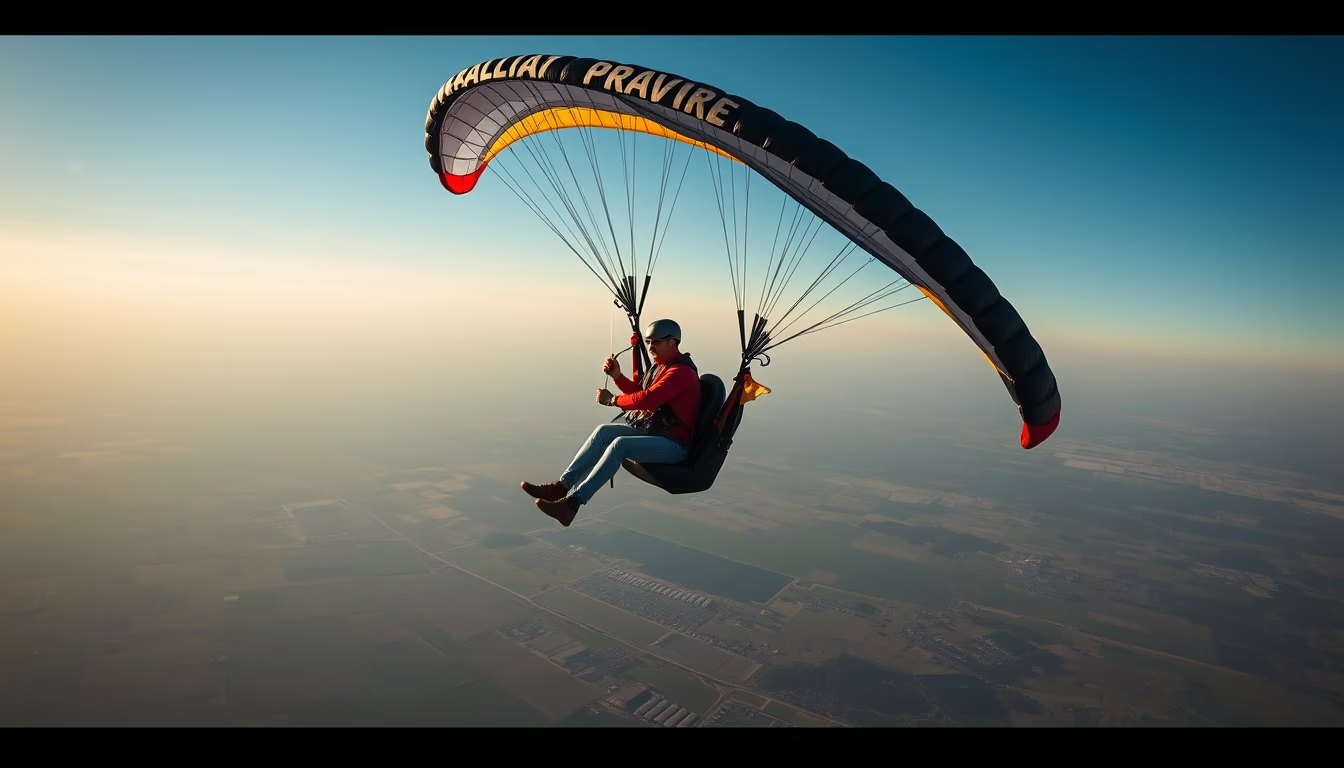
Paramotor is a form of ultralight aviation that combines a motorized paraglider, enabling foot-launched takeoffs and extended flights.
About this subject
Paramotor, also known as motorized paragliding, is an ultralight aircraft consisting of a backpack or trike engine attached to a paraglider wing. Unlike classic paragliding, which relies on thermal currents, paramotors allow takeoff from any flat terrain and sustained flight for hours. Basic equipment includes a two‑stroke gasoline engine, propeller, harness or cart, canopy, and reserve parachute.
The sport emerged in the 1980s through innovations by enthusiasts in Europe and the United States. It gained popularity in Brazil from the 2000s onward, especially in regions with good flying infrastructure such as São Paulo, Minas Gerais, and the northeastern coast. Regulation by Brazil’s National Civil Aviation Agency (ANAC) requires registration and a specific license. Average recreational flight altitude ranges from 100 to 500 meters, but experienced pilots can exceed 1,500 meters.
A major appeal of paramotoring is the freedom: flights can last from 30 minutes to over 3 hours, at speeds between 30 and 60 km/h. Fuel consumption is low, around 3, 4 liters per hour depending on the engine. Safety depends on proper training at certified schools, use of protective gear, and respect for weather conditions. Accidents are rare when standard procedures are followed.
In Brazil, dozens of paramotor schools exist, along with events such as the Brazilian Paramotor Championship. The activity attracts adventurers as well as professionals who use it for photojournalism, aerial inspection, and tourism. A new complete kit costs between BRL 20,000 and 40,000, with more affordable used options. The passion for paramotoring reflects the human desire to fly simply and with direct contact with the air.
Frequently Asked Questions
What is needed to fly a paramotor in Brazil?
You must complete a course at an ANAC‑approved school, obtain a Paramotor Pilot License (PPR), and register the aircraft. The course includes theoretical and practical training in meteorology, regulations, and emergency maneuvers.
What is the difference between paramotor and paragliding?
Paragliding relies solely on rising air currents, whereas a paramotor has an engine that provides thrust, allowing takeoff from level ground and flight independent of thermals. Paramotors are heavier and noisier but offer greater autonomy.
Is paramotoring safe?
Yes, when conducted with proper training, well‑maintained equipment, and respect for weather limitations. Most accidents result from pilot error, such as flying in strong winds or neglecting preventive maintenance. A reserve parachute is mandatory.
Direct URL
https://pub-c7d6a6ea828543ac903a74a341ccb2e1.r2.dev/imagens/paramotor-flight-studio-still-life-fresh1.avifHow to credit
Include a visible link back to UtilizAí. Copy one of the snippets below:
<a href="https://xn--utiliza-eza.com/en/midia/imagens/paramotor-flight-studio-still-life-fresh1">Paramotor flight</a> by <a href="https://xn--utiliza-eza.com">UtilizAí</a>, licensed under <a href="https://creativecommons.org/licenses/by/4.0/">CC BY 4.0</a>.
[Paramotor flight](https://xn--utiliza-eza.com/en/midia/imagens/paramotor-flight-studio-still-life-fresh1) by [UtilizAí](https://xn--utiliza-eza.com), CC BY 4.0
License: CC-BY-4.0