Palm house botanical kew
1344×768 · AVIF · CC BY 4.0
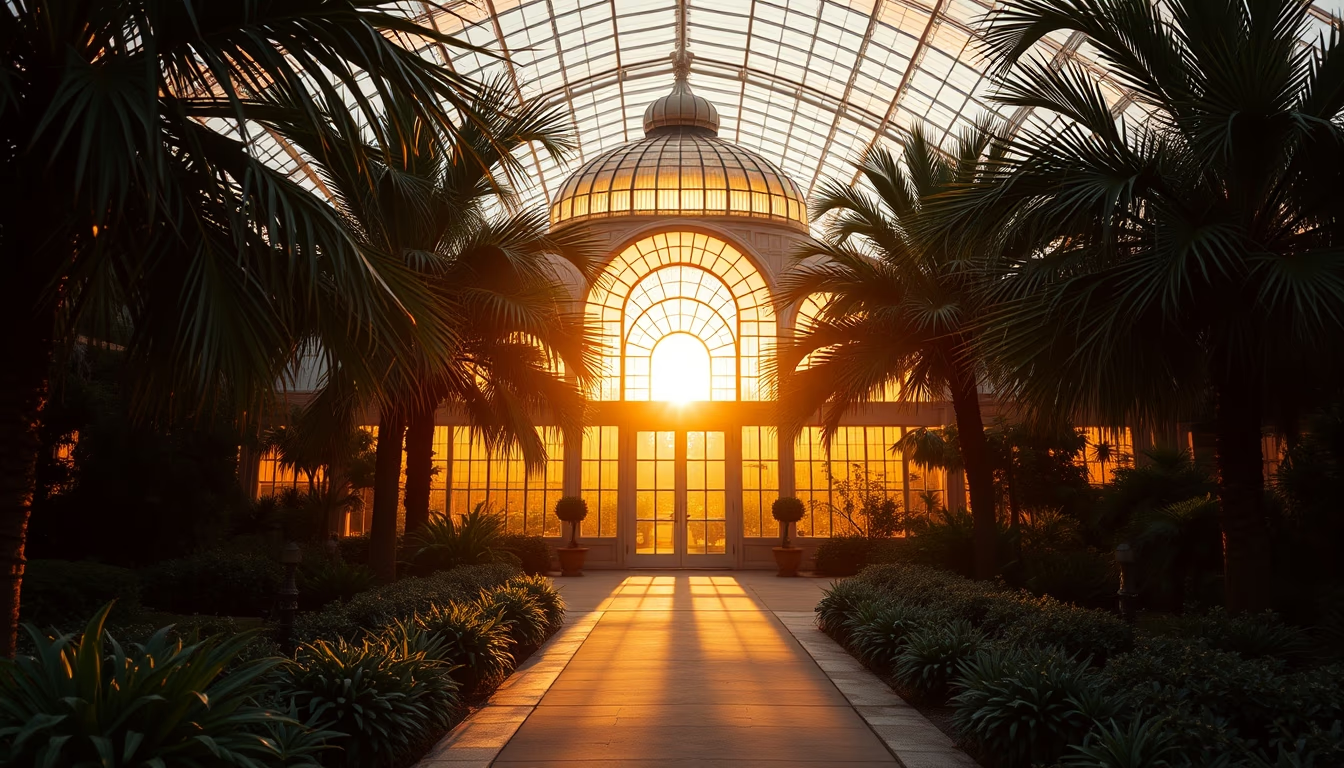
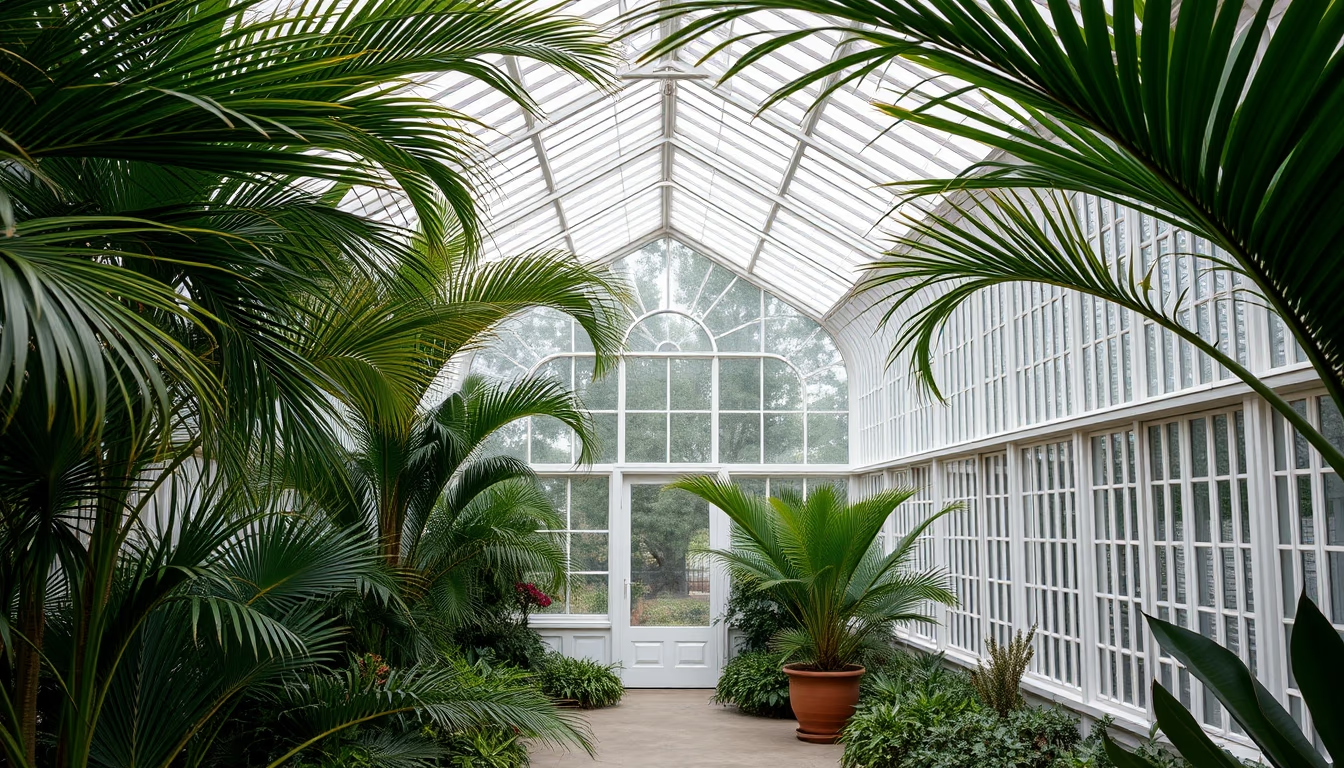
The Palm House at the Royal Botanic Gardens, Kew, is an iconic Victorian glasshouse housing a vast collection of tropical plants and palms.
About this subject
The Palm House, located in the Royal Botanic Gardens, Kew, in London, is one of the most famous glasshouses in the world. Designed by architect Decimus Burton and engineer Richard Turner, it was built between 1844 and 1848. It is considered a masterpiece of Victorian architecture, being the first large-scale greenhouse to use wrought iron as the primary structural material. Its curved and elongated shape, measuring 110 meters in length, 30 meters in width, and 20 meters in height, was designed to maximize sunlight penetration, essential for growing tropical species.
The building is Grade I listed, the highest category of heritage protection in the United Kingdom. Inside, the Palm House hosts a rich collection of palms and other tropical plants, including rare and endangered species. The controlled environment replicates humid tropical forests, with high temperatures and humidity. Notable specimens include palms from various origins, such as the Cuban royal palm and the African oil palm. The glasshouse also features a raised walkway that allows visitors to observe the tree canopies.
The Palm House underwent a major restoration between 1984 and 1988, which reinforced its original iron framework and replaced the glass while preserving the original aesthetic. Today, it remains a center for botanical research and conservation, as well as one of Kew's most visited attractions. Its iconic image is often associated with the history of botany and Victorian architecture. In 2018, the glasshouse hosted a temporary art installation highlighting the relationship between nature and technology.
Beyond its historical and architectural value, the Palm House plays an important role in environmental education and species conservation. Kew Gardens houses one of the world's largest seed banks, and the Palm House contributes to the preservation of threatened palms. Visitors can learn about the importance of tropical rainforests and the challenges of climate change. The glasshouse also inspires artists and photographers, being one of the most photographed scenes in London.
Frequently Asked Questions
What is the Palm House at Kew?
The Palm House is a Victorian glasshouse located in the Royal Botanic Gardens, Kew, London. It was built between 1844 and 1848 to house a collection of palms and tropical plants.
Who designed the Palm House?
The Palm House was designed by architect Decimus Burton in collaboration with engineer Richard Turner. It is considered a masterpiece of 19th-century iron and glass architecture.
What plants can be found in the Palm House?
The Palm House houses a vast collection of palms and other tropical plants, including endangered species. Notable specimens include the Cuban royal palm, the African oil palm, and various ferns and cycads.
Direct URL
https://pub-c7d6a6ea828543ac903a74a341ccb2e1.r2.dev/imagens/palm-house-botanical-kew-cinematic-wide-shot-fresh10.avifHow to credit
Include a visible link back to UtilizAí. Copy one of the snippets below:
<a href="https://xn--utiliza-eza.com/en/midia/imagens/palm-house-botanical-kew-cinematic-wide-shot-fresh10">Palm house botanical kew</a> by <a href="https://xn--utiliza-eza.com">UtilizAí</a>, licensed under <a href="https://creativecommons.org/licenses/by/4.0/">CC BY 4.0</a>.
[Palm house botanical kew](https://xn--utiliza-eza.com/en/midia/imagens/palm-house-botanical-kew-cinematic-wide-shot-fresh10) by [UtilizAí](https://xn--utiliza-eza.com), CC BY 4.0
License: CC-BY-4.0