Olive oil pouring closeup
1344×768 · AVIF · CC BY 4.0
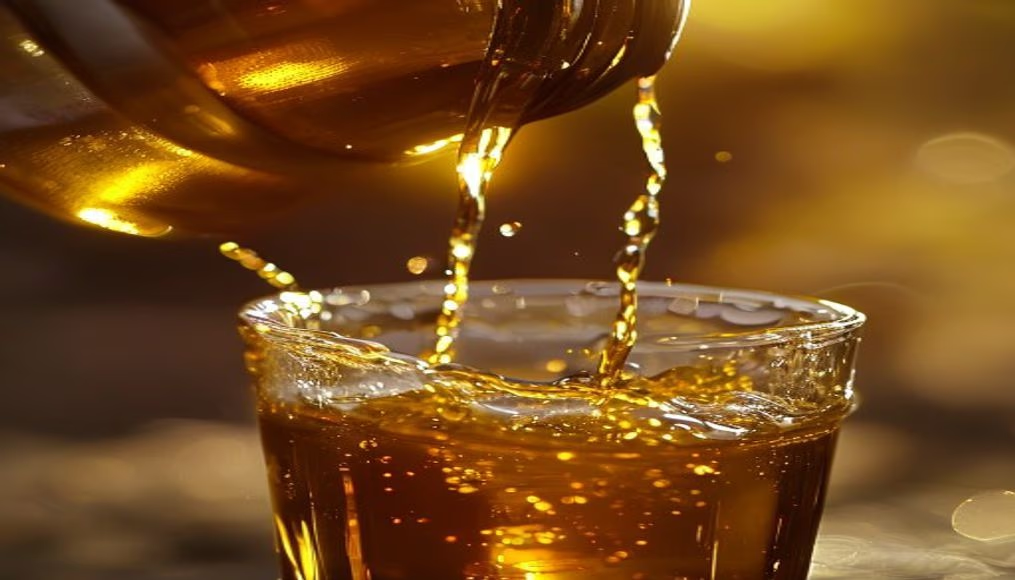
Extra virgin olive oil being poured, capturing the golden and fluid texture, a symbol of Mediterranean cuisine and healthy living.
About this subject
Olive oil is extracted from the fruit of the olive tree, the olive, through mechanical processes that preserve its properties. Extra virgin olive oil, with acidity below 0.8%, is obtained only by cold pressing, without chemical solvents, maintaining intact polyphenols and antioxidants. This monounsaturated fat is the basis of the Mediterranean diet, recognized by UNESCO as Intangible Cultural Heritage of Humanity, and is associated with reduced cardiovascular and inflammatory diseases.
Global production is concentrated in the Mediterranean basin, with emphasis on Spain, Italy, Greece, Portugal, and Tunisia, which together account for over 90% of global supply. In Brazil, imported oil from Europe and also produced in Rio Grande do Sul and Minas Gerais gains space, especially among consumers seeking quality and certified origin. The harvest varies by climate, and olives are collected between October and January in the Northern Hemisphere.
Olive oil is not just a culinary ingredient but also a cultural element. In countries like Greece, the olive tree is a symbol of peace and wisdom, present in mythology and religious rituals. Tasting olive oil follows criteria similar to wine, analyzing fruitiness, bitterness, and pungency. Its versatility ranges from dressing salads and finishing dishes to preserving cheeses and vegetables, being one of the few oils recommended for raw consumption.
Interesting fact: olive oil has a higher smoke point than butter and can be used for frying as long as it does not exceed 180°C. However, to preserve its beneficial compounds, it is best consumed cold. The expiration date and storage in a dark, cool place are crucial, as light and heat oxidize the product, reducing its nutrients and aroma.
Frequently Asked Questions
What is the difference between extra virgin and virgin olive oil?
Extra virgin olive oil has a maximum acidity of 0.8% and is obtained only by mechanical cold processes, ensuring higher antioxidant content. Virgin has acidity up to 2% and may show slight sensory defects.
How to store olive oil properly?
Store in a dark, cool place away from the stove, with the lid tightly closed. Prefer dark glass or tin containers. Avoid exposure to air and light, which speed up oxidation.
Can olive oil be used for frying?
Yes, as long as the temperature does not exceed 180°C. Extra virgin is stable for short frying, but for high temperatures, refined olive oil or sunflower oil is preferable due to higher smoke point.
Direct URL
https://pub-c7d6a6ea828543ac903a74a341ccb2e1.r2.dev/imagens/olive-oil-pouring-closeup-travel-photography-v10.avifHow to credit
Include a visible link back to UtilizAí. Copy one of the snippets below:
<a href="https://xn--utiliza-eza.com/en/midia/imagens/olive-oil-pouring-closeup-travel-photography-v10">Olive oil pouring closeup</a> by <a href="https://xn--utiliza-eza.com">UtilizAí</a>, licensed under <a href="https://creativecommons.org/licenses/by/4.0/">CC BY 4.0</a>.
[Olive oil pouring closeup](https://xn--utiliza-eza.com/en/midia/imagens/olive-oil-pouring-closeup-travel-photography-v10) by [UtilizAí](https://xn--utiliza-eza.com), CC BY 4.0
License: CC-BY-4.0