Olive oil pouring closeup
1344×768 · AVIF · CC BY 4.0
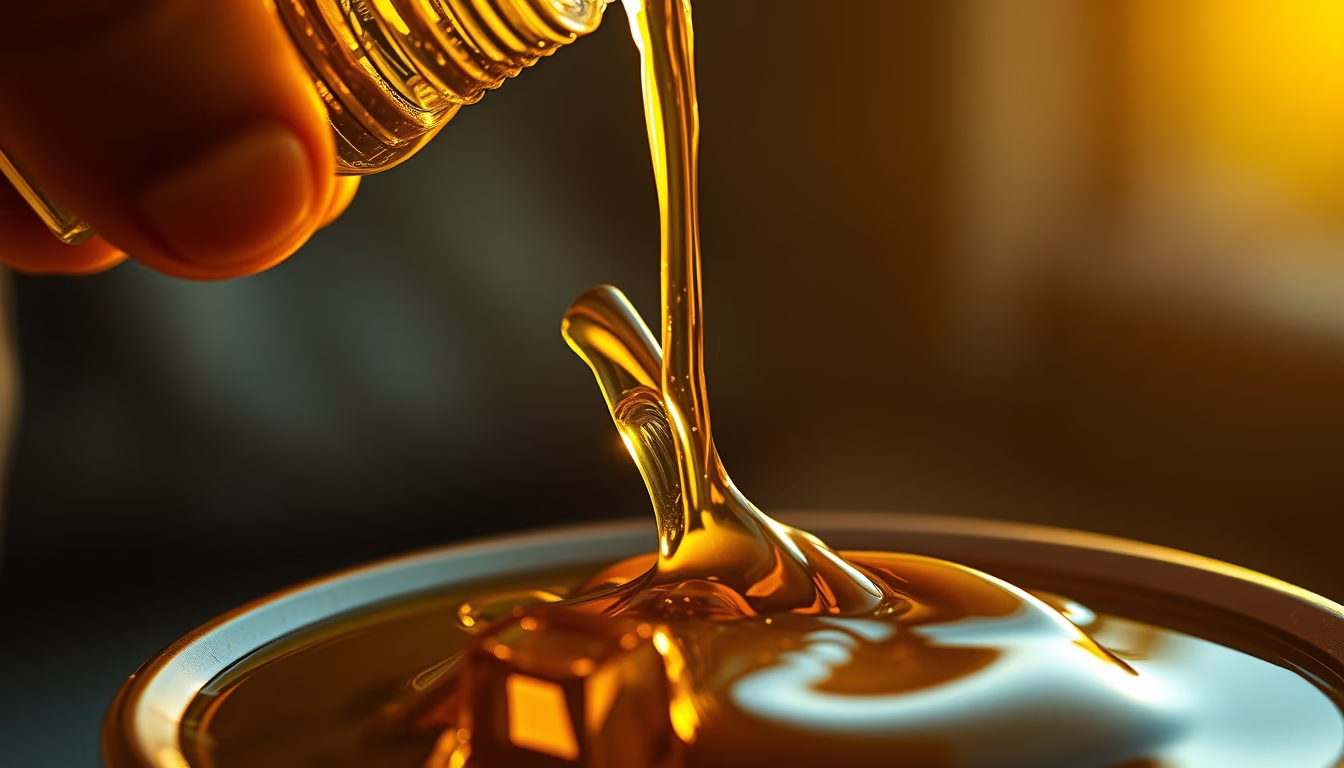
Olive oil, extracted from fresh olives, is a cornerstone of the Mediterranean diet and a global symbol of culinary quality.
About this subject
Olive oil is a vegetable oil obtained exclusively from pressing olives, the fruit of the olive tree (Olea europaea). Its production dates back at least 6,000 years, with archaeological evidence in the Eastern Mediterranean, especially the Levant region. Today, the world's largest producers are Spain, Italy, and Greece, which together account for about 70% of global production. Extra virgin olive oil, the highest grade, is obtained through mechanical cold-pressing, preserving its natural antioxidants like polyphenols and its characteristic fruity flavor.
In cooking, olive oil is versatile: it ranges from finishing cold dishes such as salads and bruschettas to cooking in sautés and roasts. Its composition rich in monounsaturated fatty acids (mainly oleic acid) is associated with cardiovascular benefits, making it a cornerstone of the Mediterranean diet, recognized by UNESCO as Intangible Cultural Heritage of Humanity. Brazil, although not a major producer, imports high-quality olive oils, mainly from Portugal and Spain, and its consumption has been growing in recent years.
An interesting fact is that the color of olive oil (from intense green to golden yellow) does not indicate quality but rather the olive's ripeness and extraction process. Greener oils tend to have a more bitter and pungent flavor, while yellower ones are milder. To identify a quality extra virgin olive oil, it is recommended to check acidity (maximum 0.8%) and harvest date, and to prefer dark packaging that protects from light. Olive oil is therefore much more than an ingredient: it is a product with history, geography, and science involved.
Frequently Asked Questions
What is the difference between extra virgin olive oil and regular olive oil?
Extra virgin olive oil is extracted only by mechanical cold-pressing, without chemical refining, preserving flavor and antioxidants. Regular (or refined) olive oil undergoes chemical processes to correct defects, losing some properties.
How to store olive oil properly?
Store in a cool place (15-20°C), away from light and heat. Prefer dark glass or tin containers. Avoid storing near the stove or in the refrigerator, as low temperatures may cause cloudiness (but does not spoil it).
Can olive oil be used for frying?
Yes, extra virgin olive oil has a smoke point around 190-210°C, suitable for quick frying. However, for prolonged high heat, prefer refined olive oil or oils with higher smoke points, such as avocado oil.
Direct URL
https://pub-c7d6a6ea828543ac903a74a341ccb2e1.r2.dev/imagens/olive-oil-pouring-closeup-cinematic-wide-shot-v2.avifHow to credit
Include a visible link back to UtilizAí. Copy one of the snippets below:
<a href="https://xn--utiliza-eza.com/en/midia/imagens/olive-oil-pouring-closeup-cinematic-wide-shot-v2">Olive oil pouring closeup</a> by <a href="https://xn--utiliza-eza.com">UtilizAí</a>, licensed under <a href="https://creativecommons.org/licenses/by/4.0/">CC BY 4.0</a>.
[Olive oil pouring closeup](https://xn--utiliza-eza.com/en/midia/imagens/olive-oil-pouring-closeup-cinematic-wide-shot-v2) by [UtilizAí](https://xn--utiliza-eza.com), CC BY 4.0
License: CC-BY-4.0