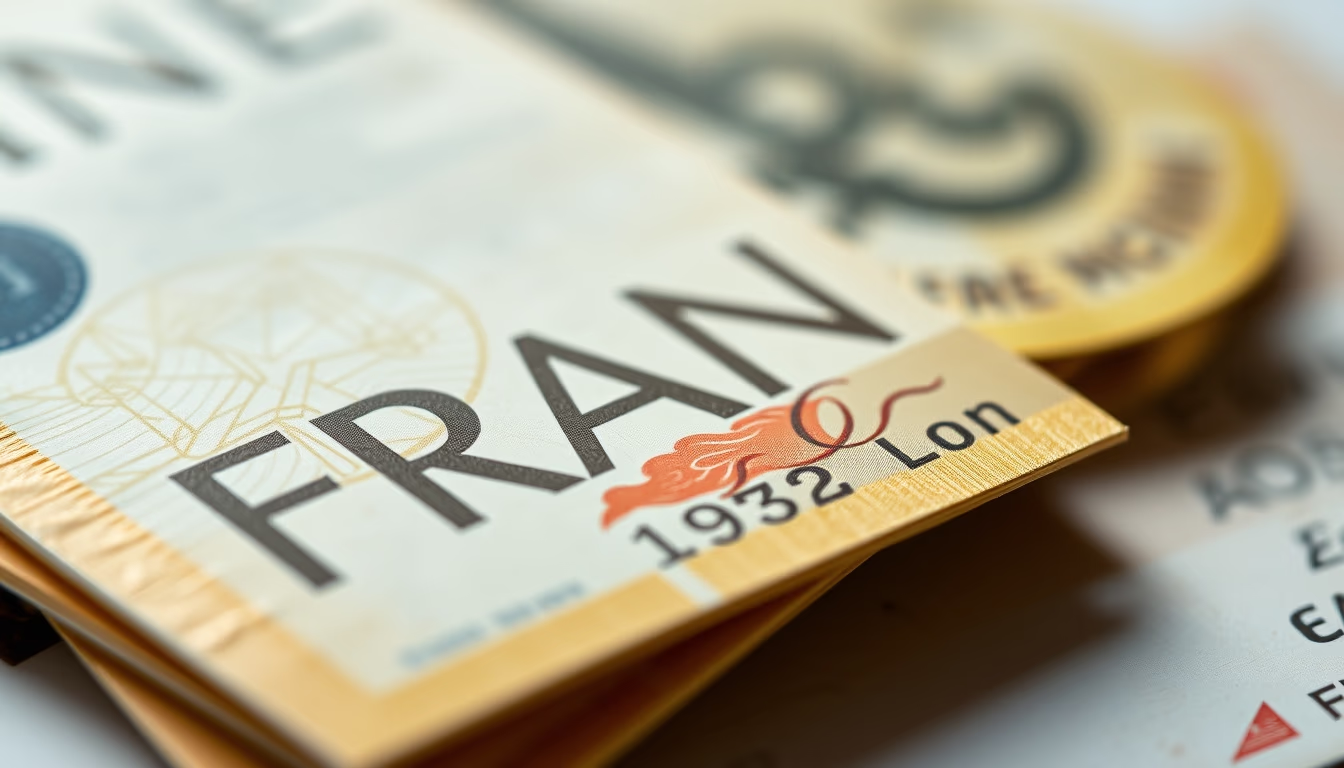
Old french francs
1344×768 · AVIF · CC BY 4.0

Old French franc banknotes tell the economic and cultural history of France, from the Revolution to the adoption of the euro in 2002.
About this subject
The French franc was introduced in 1795 during the French Revolution, replacing the livre. For over two centuries, it was the official currency of France and its overseas territories until it was replaced by the euro in 2002. Its history reflects pivotal moments, such as the founding of the Banque de France in 1800 and the post-World War II stabilization.
Franc banknotes are true works of art, often featuring portraits of illustrious figures: Napoleon Bonaparte, Victor Hugo, Voltaire, and even writer Antoine de Saint-Exupéry on the 50-franc note. The designs incorporate architectural elements and allegories that celebrate French culture and progress. For example, the 200-franc note honors engineer Gustave Eiffel, with the tower bearing his name.
The transition to the euro was gradual, and old notes can still be exchanged for euros at the Banque de France, though specific deadlines apply. The fixed exchange rate is 6.55957 francs per euro. For collectors, series like the "Masterpiece" (issues from the 1950s and 1960s) are highly prized, with rare notes fetching hundreds of euros at auction.
The French franc left a vast cultural legacy, referenced in songs, literature, and films. Expressions like "franc fort" and "avoir des francs" still resonate. Although out of circulation, the franc remains vivid in popular imagination and in the memory of French people who experienced the change.
Frequently Asked Questions
Why was the French franc replaced by the euro?
The euro was adopted to facilitate trade and economic integration within the European Union. The franc was replaced from 1999 (scriptural money) and 2002 (notes and coins), with a fixed exchange rate of 6.55957 francs per euro.
Do old franc notes still have value?
Yes, many series can still be exchanged for euros at the Banque de France, but deadlines vary. Some older notes have lost exchange value but may still have collector's value.
What was the highest denomination of the French franc?
The 500-franc note was the highest denomination in circulation. Its latest version featured portraits of Pierre and Marie Curie. Older 500-franc notes (such as the Pascal note) also existed.
Direct URL
https://pub-c7d6a6ea828543ac903a74a341ccb2e1.r2.dev/imagens/old-french-francs-long-exposure-fresh9.avifHow to credit
Include a visible link back to UtilizAí. Copy one of the snippets below:
<a href="https://xn--utiliza-eza.com/en/midia/imagens/old-french-francs-long-exposure-fresh9">Old french francs</a> by <a href="https://xn--utiliza-eza.com">UtilizAí</a>, licensed under <a href="https://creativecommons.org/licenses/by/4.0/">CC BY 4.0</a>.
[Old french francs](https://xn--utiliza-eza.com/en/midia/imagens/old-french-francs-long-exposure-fresh9) by [UtilizAí](https://xn--utiliza-eza.com), CC BY 4.0
License: CC-BY-4.0