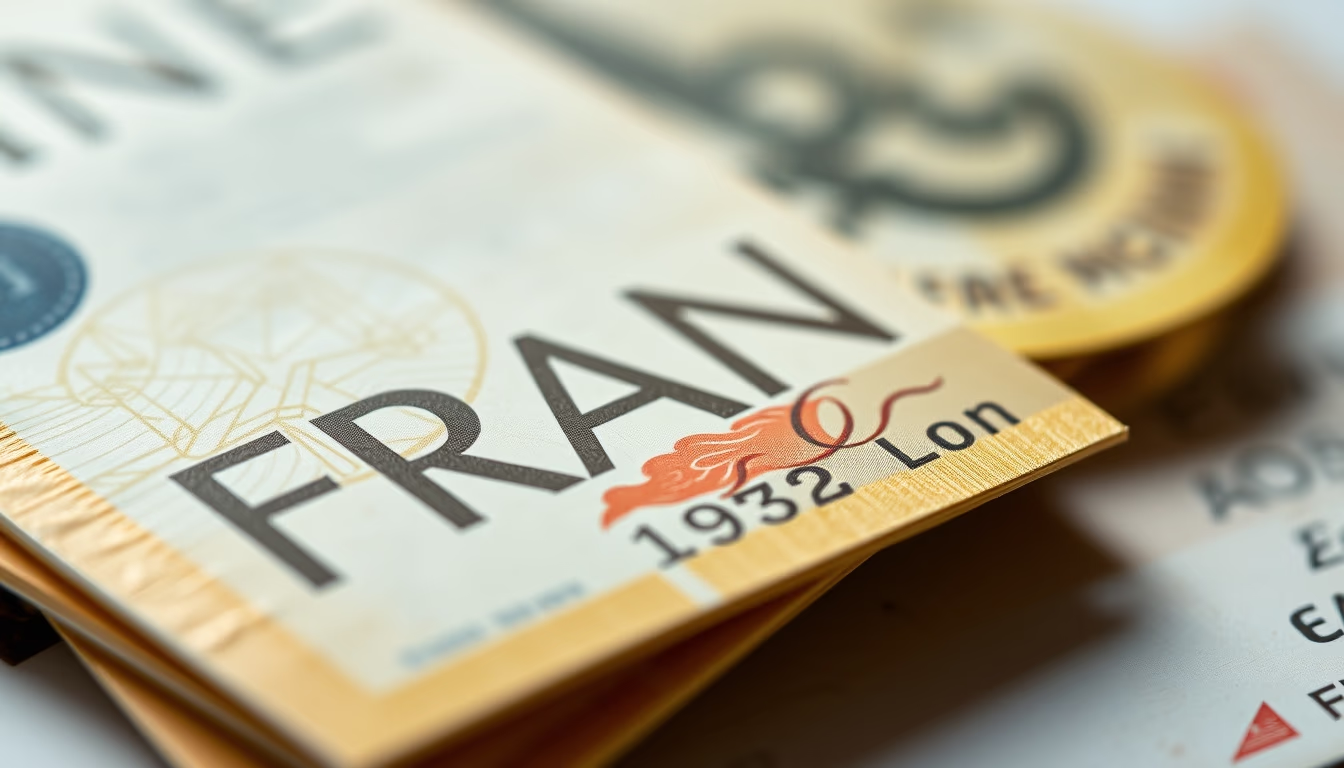
Old french francs
1344×768 · AVIF · CC BY 4.0

Old French francs, banknotes that circulated from 1795 to 2002, are now collector's items that tell the economic and cultural history of France.
About this subject
The French franc was the official currency of France for over two centuries, introduced in 1795 during the French Revolution and replaced by the euro in 2002. Old banknotes, especially those issued between the late 19th and mid-20th centuries, are prized for their artistic design and national symbolism. Each series featured emblematic figures: philosophers like Voltaire, scientists like Pasteur, or symbols like Marianne representing the Republic. The most famous might be the 200-franc note depicting Gustave Eiffel, or the 50-franc note with painter Paul Cézanne. The manufacturing process involved advanced techniques for the time, such as watermarks and intaglio printing, to deter counterfeiting.
Beyond historical value, these francs are studied by numismatists who analyze print runs, printing errors, and preservation conditions. Some rare notes, such as the 1000-franc note from 1950 featuring Richelieu, can fetch thousands of euros at auctions. Demonetization in 2002 made francs lose legal tender status, but the Bank of France still allows exchange of old notes for euros at its branches, though with time limits. For collectors, the fascination lies in handling a piece of European history that witnessed two world wars, post-war reconstruction, and European integration.
Today, these francs can be found at numismatic fairs, specialized shops, and auction sites. The condition of the notes is crucial for pricing: uncirculated (UNC) notes are more valuable, while worn ones have reduced value. Authenticity is also a concern, as historical counterfeits exist. For those starting a collection, it is advisable to acquire notes with a certificate of authenticity or from trustworthy sources. Studying French francs offers a window into the art, politics, and economy of a country that shaped Western culture.
Frequently Asked Questions
What are old French francs?
They are the banknotes and coins that served as the official currency of France from 1795 to 2002, when they were replaced by the euro. They have high historical and collectible value.
Why were French francs replaced by the euro?
To standardize currency among European Union countries, facilitate trade, and strengthen economic integration. The euro was adopted in France in 2002.
Do old French francs still have monetary value?
They are no longer legal tender, but the Bank of France still allows exchange of old notes for euros at its branches, though with time limits. For collectors, their market value can exceed face value.
Direct URL
https://pub-c7d6a6ea828543ac903a74a341ccb2e1.r2.dev/imagens/old-french-francs-architectural-photography-fresh5.avifHow to credit
Include a visible link back to UtilizAí. Copy one of the snippets below:
<a href="https://xn--utiliza-eza.com/en/midia/imagens/old-french-francs-architectural-photography-fresh5">Old french francs</a> by <a href="https://xn--utiliza-eza.com">UtilizAí</a>, licensed under <a href="https://creativecommons.org/licenses/by/4.0/">CC BY 4.0</a>.
[Old french francs](https://xn--utiliza-eza.com/en/midia/imagens/old-french-francs-architectural-photography-fresh5) by [UtilizAí](https://xn--utiliza-eza.com), CC BY 4.0
License: CC-BY-4.0