Octopus coral reef
1344×768 · AVIF · CC BY 4.0
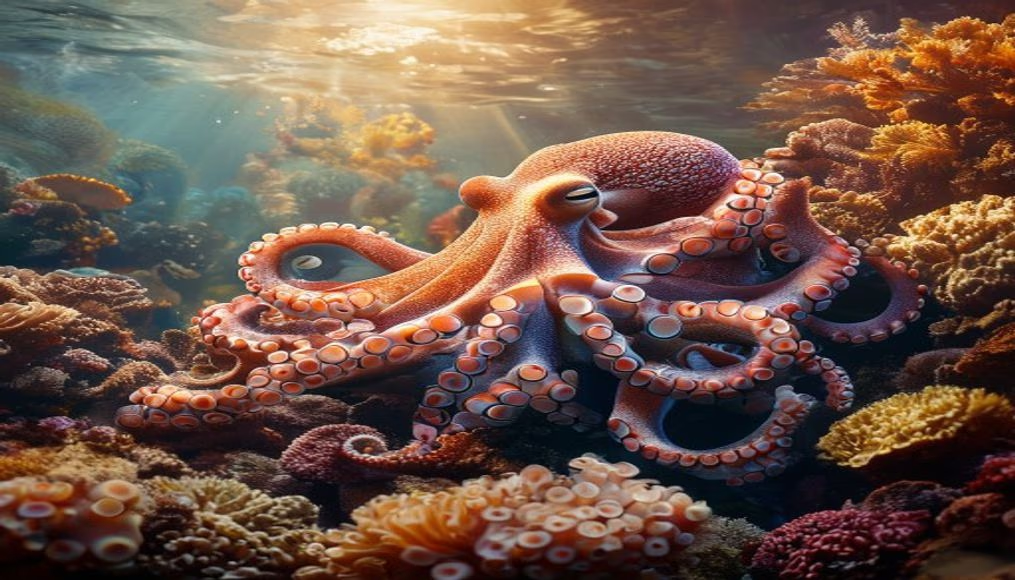
Octopuses are masters of camouflage and intelligence, inhabiting coral reefs worldwide.
About this subject
Octopuses are highly intelligent cephalopod mollusks renowned for their ability to change color and texture to blend into their surroundings. On coral reefs, these solitary creatures find shelter in crevices and dens, emerging mainly at night to hunt crustaceans, fish, and mollusks. They possess three hearts, blue blood (due to copper-rich hemocyanin), and a complex nervous system, with two-thirds of their neurons located in their arms, allowing independent control of each sucker.
Coral reefs provide essential habitat for various octopus species, such as the common octopus (Octopus vulgaris) and the blue-ringed octopus (Hapalochlaena), the latter being one of the most venomous animals in the world despite its small size. Octopus camouflage is so precise that they can mimic the texture of corals, algae, or rocks within seconds using specialized cells called chromatophores, leucophores, and iridophores.
Beyond camouflage, octopuses exhibit remarkable behaviors: they use coconut shells as shelter, open jar lids, and even solve mazes in scientific experiments. Studies indicate they can recognize individual humans and show preferences. However, octopus intelligence is fleeting: most species live only one to two years, dedicating their final days to reproduction, with the female guarding eggs without eating until they hatch.
Despite their adaptability, octopuses face threats such as overfishing, pollution, and coral reef degradation due to climate change and ocean acidification. Conservation of these reefs is crucial for the survival of octopuses and the entire marine ecosystem.
Frequently Asked Questions
How many hearts does an octopus have?
An octopus has three hearts: two pump blood to the gills and one pumps it to the rest of the body. When swimming, the systemic heart stops beating, making them less efficient and explaining their preference for crawling.
Why is the blue-ringed octopus dangerous?
The blue-ringed octopus (Hapalochlaena) carries tetrodotoxin, a potent neurotoxin that can cause paralysis and death. Its venom is produced by symbiotic bacteria, and there is no known antidote.
How do octopuses camouflage so quickly?
Octopuses control pigment cells in their skin called chromatophores, which expand or contract in milliseconds to alter color and pattern. They can also change skin texture by raising small papillae to mimic rocks or corals.
Direct URL
https://pub-c7d6a6ea828543ac903a74a341ccb2e1.r2.dev/imagens/octopus-coral-reef-travel-photography-v10.avifHow to credit
Include a visible link back to UtilizAí. Copy one of the snippets below:
<a href="https://xn--utiliza-eza.com/en/midia/imagens/octopus-coral-reef-travel-photography-v10">Octopus coral reef</a> by <a href="https://xn--utiliza-eza.com">UtilizAí</a>, licensed under <a href="https://creativecommons.org/licenses/by/4.0/">CC BY 4.0</a>.
[Octopus coral reef](https://xn--utiliza-eza.com/en/midia/imagens/octopus-coral-reef-travel-photography-v10) by [UtilizAí](https://xn--utiliza-eza.com), CC BY 4.0
License: CC-BY-4.0