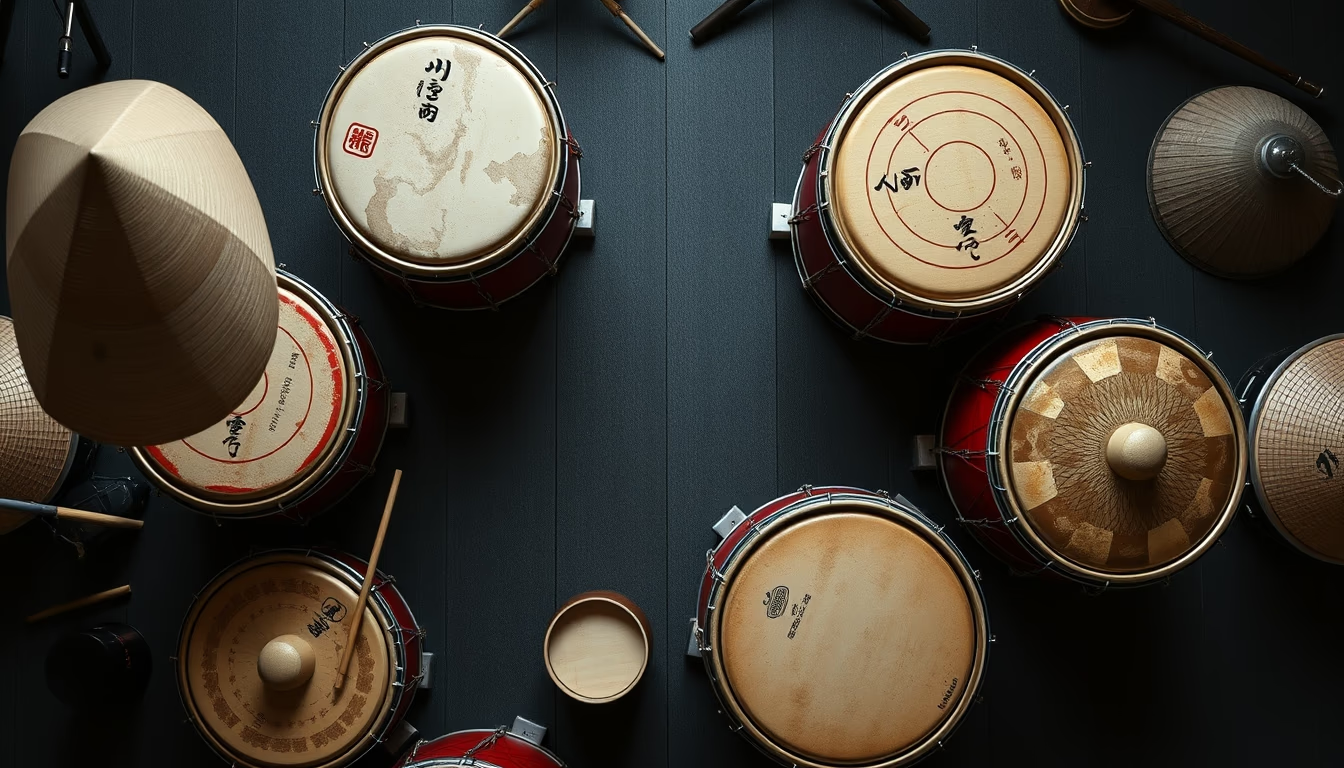
Oboe wooden detail
1344×768 · AVIF · CC BY 4.0

The oboe is a double-reed woodwind instrument carved from fine woods such as grenadilla and rosewood, essential in the symphony orchestra.
About this subject
The oboe is a double-reed woodwind instrument renowned for its penetrating, expressive timbre. Its artisanal construction uses dense woods such as grenadilla (Dalbergia melanoxylon), rosewood, or ebony, chosen for acoustic stability and durability. The wood is precisely carved and drilled to form the conical tube, with metal keys plated in silver or gold. The double reed, made from cane (Arundo donax), produces the sound: the player blows between two blades that vibrate and amplify sound through the instrument.
The modern oboe evolved from Renaissance instruments like the shawm and pommer. During the 17th century, French musicians refined the design, resulting in the Baroque oboe. By the 19th century, the key system was expanded, culminating in the conservatory oboe (adapted Boehm system) used today. Symphony orchestras typically have two to four oboes, including the English horn (a tenor oboe). The oboe often provides the tuning A for the entire orchestra, a tradition dating back to the 18th century.
Fun facts: grenadilla wood is so dense it floats in water but resists cracking. Oboes can take up to six months to manufacture. Influential oboists like Heinz Holliger and Albrecht Mayer expanded the instrument's technique and repertoire, with works by composers such as Richard Strauss, Mozart, and Ligeti showcasing its lyrical potential.
Frequently Asked Questions
What wood is most commonly used to make oboes?
The most common wood is grenadilla (Dalbergia melanoxylon), also known as African blackwood. Other woods include rosewood, ebony, and cocobolo.
Why does the oboe give the tuning A in an orchestra?
The oboe has a stable, penetrating sound that stands out among instruments. The tradition started in the 18th century when oboes were the most reliable for pitch reference.
What is the double reed of the oboe?
The double reed consists of two blades of cane (Arundo donax) tied to a metal tube. The player blows between them, causing vibration that produces the instrument's distinctive sound.
Direct URL
https://pub-c7d6a6ea828543ac903a74a341ccb2e1.r2.dev/imagens/oboe-wooden-detail-long-exposure-p3.avifHow to credit
Include a visible link back to UtilizAí. Copy one of the snippets below:
<a href="https://xn--utiliza-eza.com/en/midia/imagens/oboe-wooden-detail-long-exposure-p3">Oboe wooden detail</a> by <a href="https://xn--utiliza-eza.com">UtilizAí</a>, licensed under <a href="https://creativecommons.org/licenses/by/4.0/">CC BY 4.0</a>.
[Oboe wooden detail](https://xn--utiliza-eza.com/en/midia/imagens/oboe-wooden-detail-long-exposure-p3) by [UtilizAí](https://xn--utiliza-eza.com), CC BY 4.0
License: CC-BY-4.0