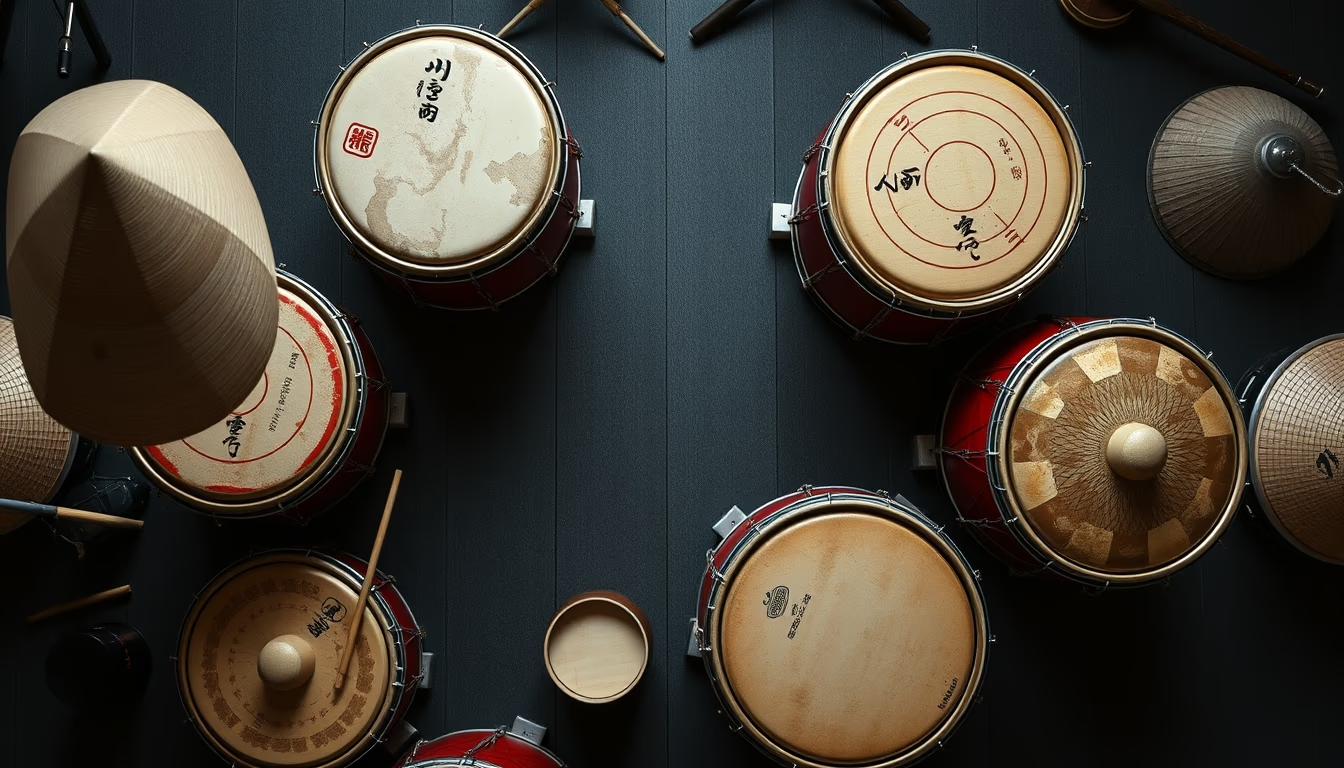
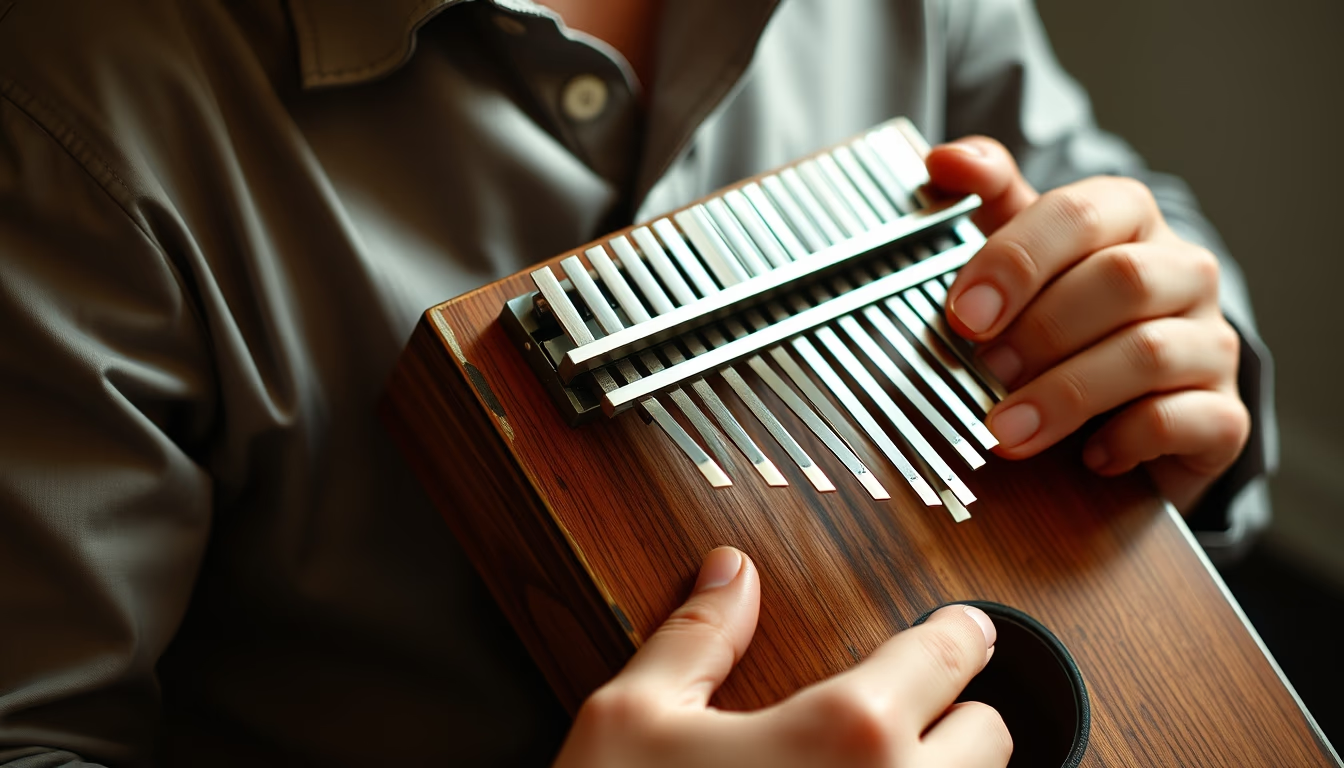
Oboe wooden detail
1344×768 · AVIF · CC BY 4.0

Wooden details of the oboe, an essential woodwind instrument in the symphony orchestra, reveal European handcraft tradition.
About this subject
The oboe is a double-reed woodwind instrument known for its piercing, expressive tone. Traditionally crafted from hardwoods such as grenadilla (African blackwood), rosewood, or boxwood, its construction demands millimeter precision: the conical bore, metal keys, and double reed made from cane (Arundo donax) define its characteristic sound. In the symphony orchestra, the oboe plays a prominent role, often responsible for tuning the other instruments (the standard A at 440 Hz).
The handcrafted manufacturing process of the oboe takes months. The artisan selects the wood, which undergoes lengthy natural drying to prevent cracking. Each piece is turned, drilled, and polished by hand. Decorative rings of metal or ivory (now replaced by synthetic materials) protect the joints. The double reed, made by the oboist themselves, is so personalized that each musician has their own preferences for cut and curvature.
Historically, the oboe emerged in 17th-century France, evolving from instruments like the shawm. It developed over centuries, gaining keys and improvements in tuning. Composers such as Mozart, Tchaikovsky, and Strauss wrote memorable solos for the oboe, exploring its lyrical and dramatic capabilities. Interestingly, the oboe is one of the most difficult instruments to master due to the control of embouchure and breathing.
The wood used directly influences the sound: grenadilla produces a darker, focused tone, while rosewood offers more brightness. The wooden detail seen in the image highlights the grain and natural texture, a result of hand polishing with special oils to protect and enhance the beauty of the raw material.
Frequently Asked Questions
What wood is most commonly used for making oboes?
The most common wood is grenadilla (African blackwood), valued for its density and durability, producing a dark, focused sound. Alternatives include rosewood and boxwood.
Why is the oboe used to tune the orchestra?
The oboe has a penetrating tone that stands out among other instruments. Historically, because it has less pitch variation than other woodwinds, it became the standard for giving the A (440 Hz) before the concert.
How is the oboe reed made?
The double reed is made from two strips of cane (Arundo donax) bound to a metal tube. The oboist scrapes and cuts the blades to adjust resistance and tone, a handcrafted process requiring great skill.
Direct URL
https://pub-c7d6a6ea828543ac903a74a341ccb2e1.r2.dev/imagens/oboe-wooden-detail-fish-eye-wide-angle-p5.avifHow to credit
Include a visible link back to UtilizAí. Copy one of the snippets below:
<a href="https://xn--utiliza-eza.com/en/midia/imagens/oboe-wooden-detail-fish-eye-wide-angle-p5">Oboe wooden detail</a> by <a href="https://xn--utiliza-eza.com">UtilizAí</a>, licensed under <a href="https://creativecommons.org/licenses/by/4.0/">CC BY 4.0</a>.
[Oboe wooden detail](https://xn--utiliza-eza.com/en/midia/imagens/oboe-wooden-detail-fish-eye-wide-angle-p5) by [UtilizAí](https://xn--utiliza-eza.com), CC BY 4.0
License: CC-BY-4.0