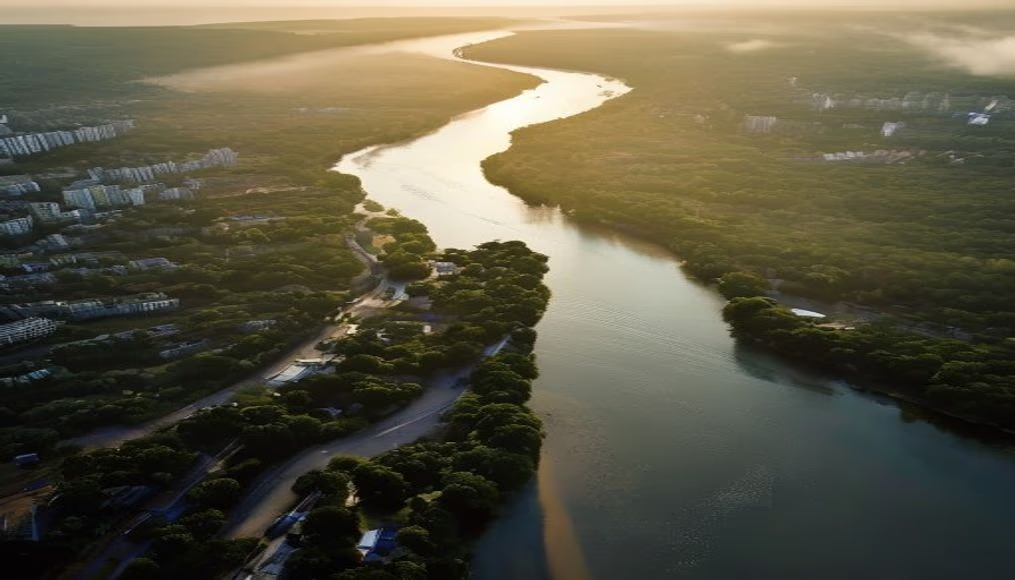
Norwegian fjord aerial view
1344×768 · AVIF · CC BY 4.0
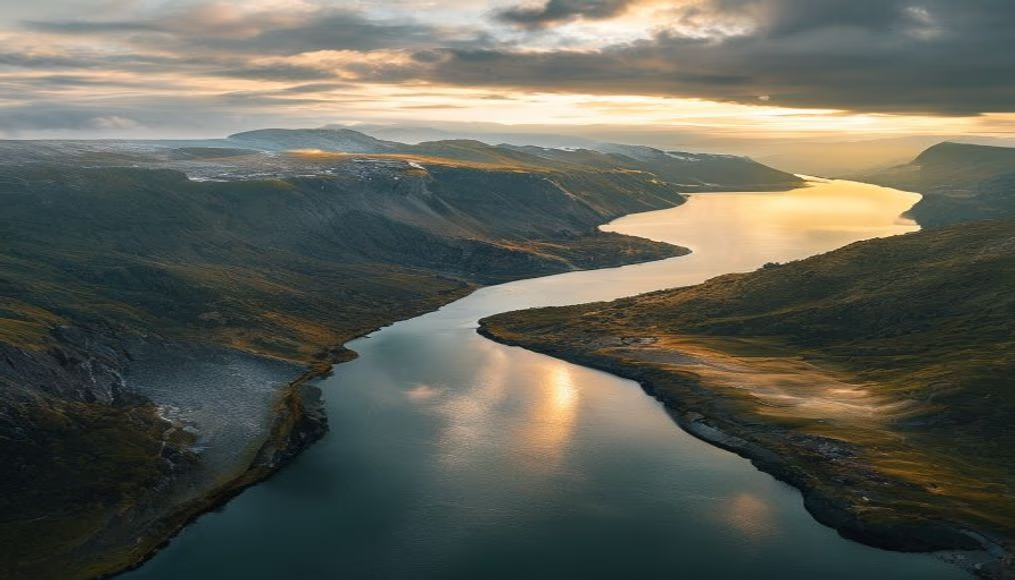
Norwegian fjords are flooded glacial valleys forming one of Scandinavia's most iconic landscapes, sculpted by ice ages and protected by UNESCO.
About this subject
Norwegian fjords are deep, narrow valleys created by glacial erosion during the last ice ages, later flooded by the sea. Norway has over 1,000 fjords along its coast, with the most famous being Geirangerfjord and Nærøyfjord, both UNESCO World Heritage sites since 2005. These fjords extend up to 200 km inland, with rock walls reaching 1,400 meters in height and spectacular waterfalls like the Seven Sisters.
The formation of fjords began about 2.5 million years ago during the Quaternary period, when glaciers advanced and retreated multiple times, carving U-shaped valleys. The resulting landscape features deep waters, Sognefjord, for example, reaches 1,308 meters deep, making it one of the deepest fjords in the world. These waters host unique ecosystems, such as cold-water corals and species like Atlantic salmon.
Culturally, fjords were vital to Norwegian history. During the Viking Age, they served as navigation routes and natural defenses. Today, tourism is central: around 300,000 visitors per year explore Geirangerfjord by cruise, kayak, or hiking trails. The area is also known for picturesque villages like Flåm, which offers one of the steepest railways in the world, the Flåm Railway, with panoramic fjord views.
Interestingly, not all fjords are exclusive to Norway. The term 'fjord' derives from Old Norse 'fjörðr', and similar formations exist in other countries such as Chile, New Zealand, and Canada. However, the Norwegian coast is the most indented in the world, with a shoreline that, if stretched out, would measure about 100,000 kilometers, including islands and fjords.
Frequently Asked Questions
How were Norwegian fjords formed?
Fjords were formed by glacial erosion during ice ages, carving deep U-shaped valleys. When the ice melted, the sea flooded these valleys, creating today's fjords.
What is the most famous fjord in Norway?
Geirangerfjord is one of the most famous, known for its waterfalls and dramatic scenery. Together with Nærøyfjord, it is a UNESCO World Heritage site.
Can fjords be visited year-round?
Yes, but the best time is from May to September, when the weather is milder and days are long. In winter, some fjords may have snow and reduced services.
Direct URL
https://pub-c7d6a6ea828543ac903a74a341ccb2e1.r2.dev/imagens/norwegian-fjord-aerial-view-travel-photography-v10.avifHow to credit
Include a visible link back to UtilizAí. Copy one of the snippets below:
<a href="https://xn--utiliza-eza.com/en/midia/imagens/norwegian-fjord-aerial-view-travel-photography-v10">Norwegian fjord aerial view</a> by <a href="https://xn--utiliza-eza.com">UtilizAí</a>, licensed under <a href="https://creativecommons.org/licenses/by/4.0/">CC BY 4.0</a>.
[Norwegian fjord aerial view](https://xn--utiliza-eza.com/en/midia/imagens/norwegian-fjord-aerial-view-travel-photography-v10) by [UtilizAí](https://xn--utiliza-eza.com), CC BY 4.0
License: CC-BY-4.0