Noodles ramen bowl
1344×768 · AVIF · CC BY 4.0
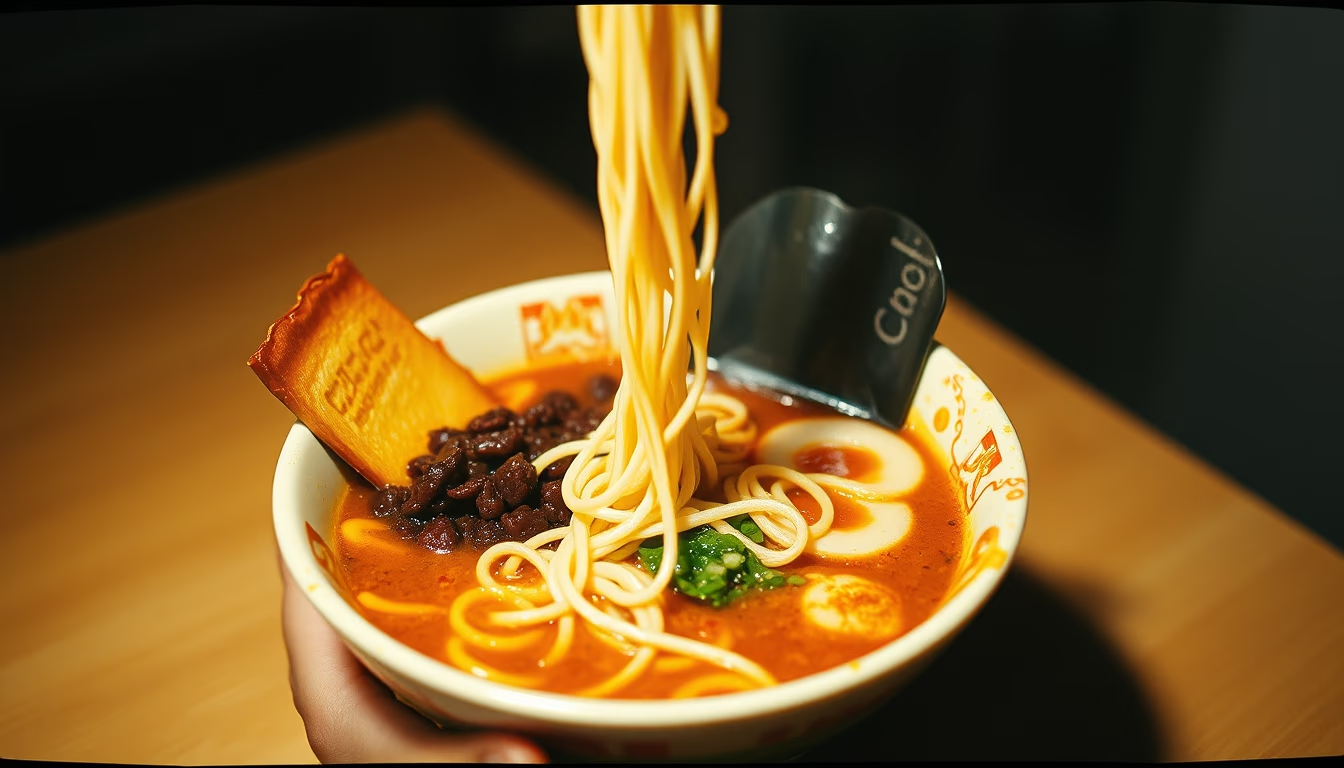
Ramen is a Japanese noodle soup with flavorful broth and various toppings, popular worldwide.
About this subject
Ramen is a Japanese dish consisting of wheat noodles served in a hot broth, typically flavored with soy sauce or miso, and topped with ingredients such as sliced pork (chashu), soft-boiled egg, green onions, and nori. Although closely associated with Japan, its origins trace back to Chinese cuisine, having been introduced to Japan in the late 19th century. The dish gained widespread popularity after World War II, when food shortages led to the use of wheat flour supplied by the US to make noodles.
There are four main styles of ramen: shoyu (soy sauce base), miso (fermented soybean paste), shio (salt), and tonkotsu (pork bone simmered for hours). Tonkotsu, originating from Fukuoka, is known for its creamy, rich broth. Miso ramen is typical of Hokkaido, adapted to the cold climate. Each Japanese region has developed unique variations, such as tsukemen, where noodles are dipped into a concentrated broth.
Ramen is not just street food; it has become a cultural phenomenon. Specialized shops pass down recipes through generations. The globalization of ramen has led to creative adaptations worldwide, such as curry ramen in Sri Lanka or feijoada ramen in Brazil. The instant version, created by Momofuku Ando in 1958, revolutionized fast food and is consumed by billions annually.
To enjoy a good ramen, the ideal order is to start with the broth, then the noodles, and finally the toppings. In Japan, it is common to hear slurping sounds, indicating enjoyment. Eating out or preparing at home requires attention to details such as the egg's doneness and the noodles' texture.
Frequently Asked Questions
What is the difference between ramen types?
The main types are shoyu (soy sauce), miso (soybean paste), shio (salt), and tonkotsu (pork bone). Shoyu is common, miso is richer, shio is light, and tonkotsu is creamy.
Is ramen healthy?
Traditional ramen can be high in calories and sodium, but homemade versions allow ingredient control. Wheat noodles provide carbs, and protein comes from meat and egg.
How to eat ramen properly?
In Japan, slurping loudly is polite to show enjoyment. Use chopsticks for noodles and soup spoon for broth. Mix ingredients and eat quickly to prevent noodles from becoming too soft.
Direct URL
https://pub-c7d6a6ea828543ac903a74a341ccb2e1.r2.dev/imagens/noodles-ramen-bowl-lo-fi-disposable-camera-p2.avifHow to credit
Include a visible link back to UtilizAí. Copy one of the snippets below:
<a href="https://xn--utiliza-eza.com/en/midia/imagens/noodles-ramen-bowl-lo-fi-disposable-camera-p2">Noodles ramen bowl</a> by <a href="https://xn--utiliza-eza.com">UtilizAí</a>, licensed under <a href="https://creativecommons.org/licenses/by/4.0/">CC BY 4.0</a>.
[Noodles ramen bowl](https://xn--utiliza-eza.com/en/midia/imagens/noodles-ramen-bowl-lo-fi-disposable-camera-p2) by [UtilizAí](https://xn--utiliza-eza.com), CC BY 4.0
License: CC-BY-4.0