Neumann u87 mic
1344×768 · AVIF · CC BY 4.0
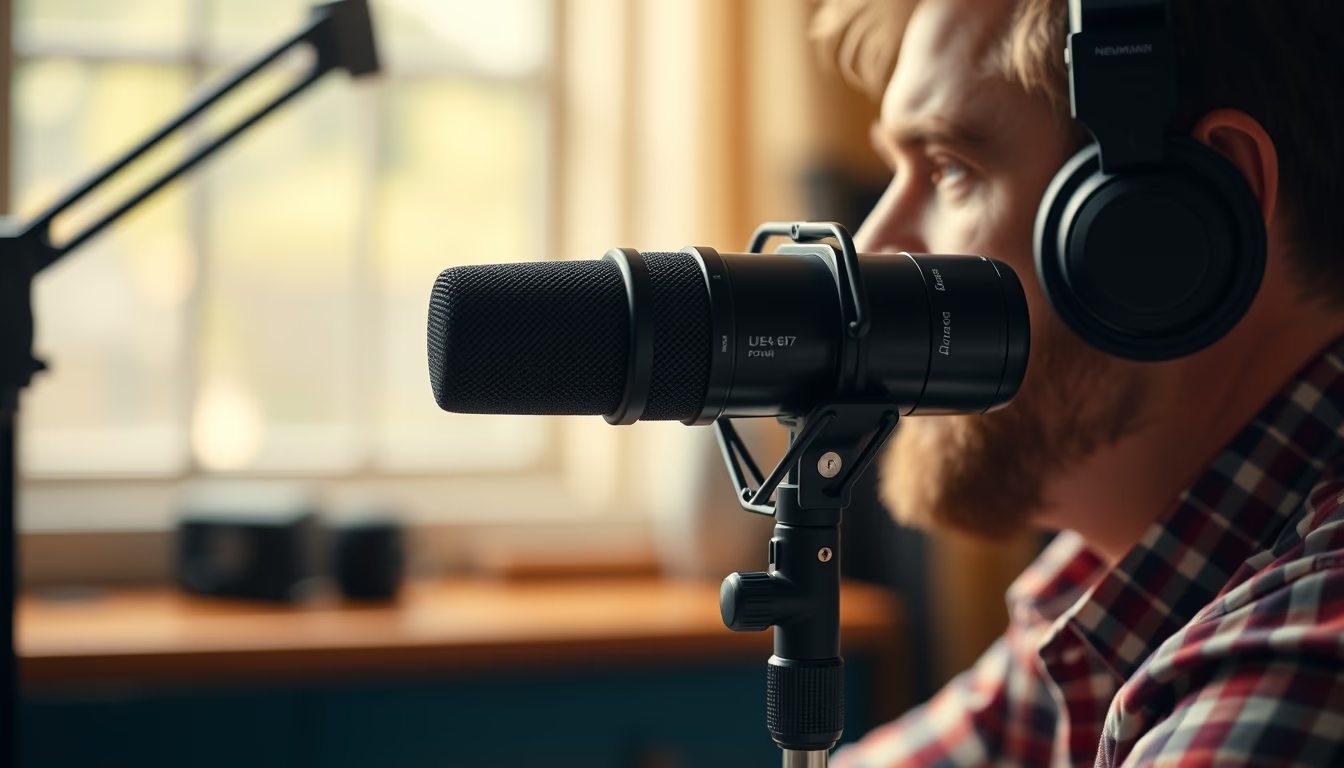
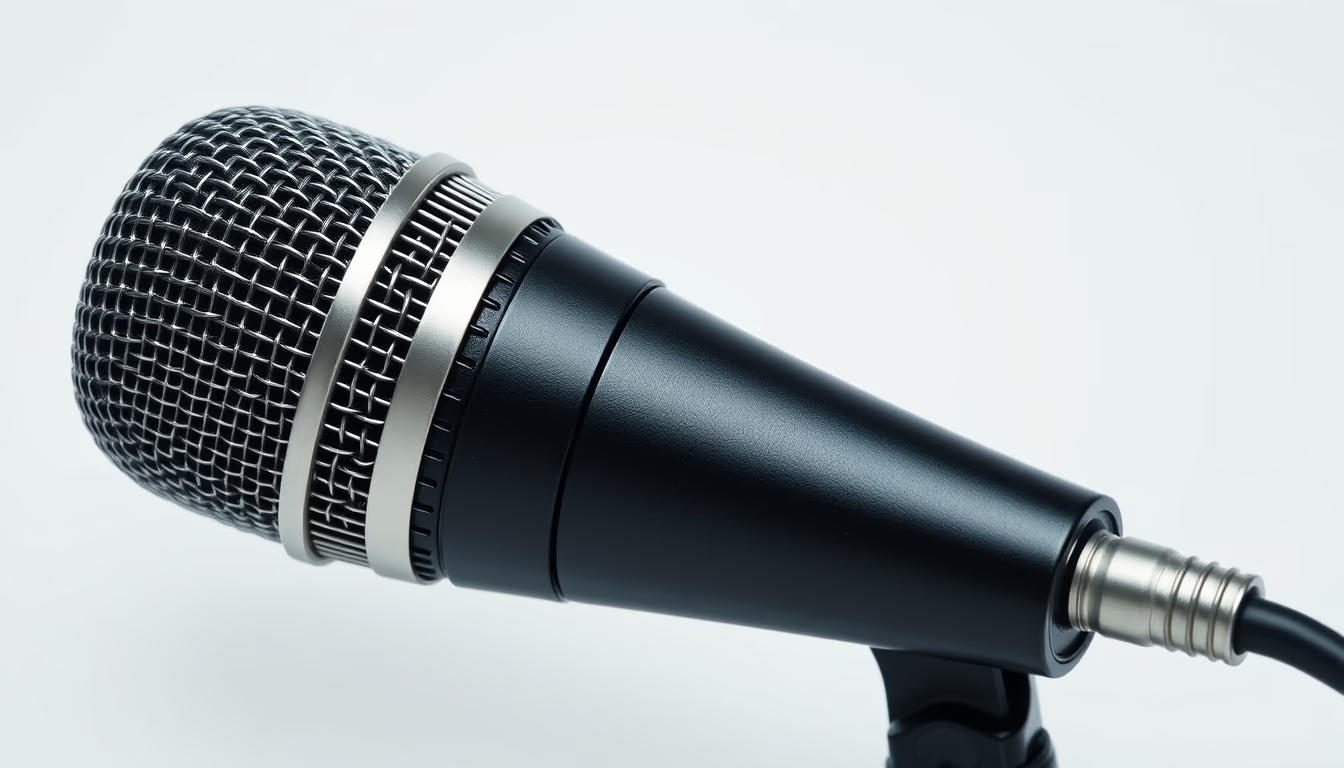
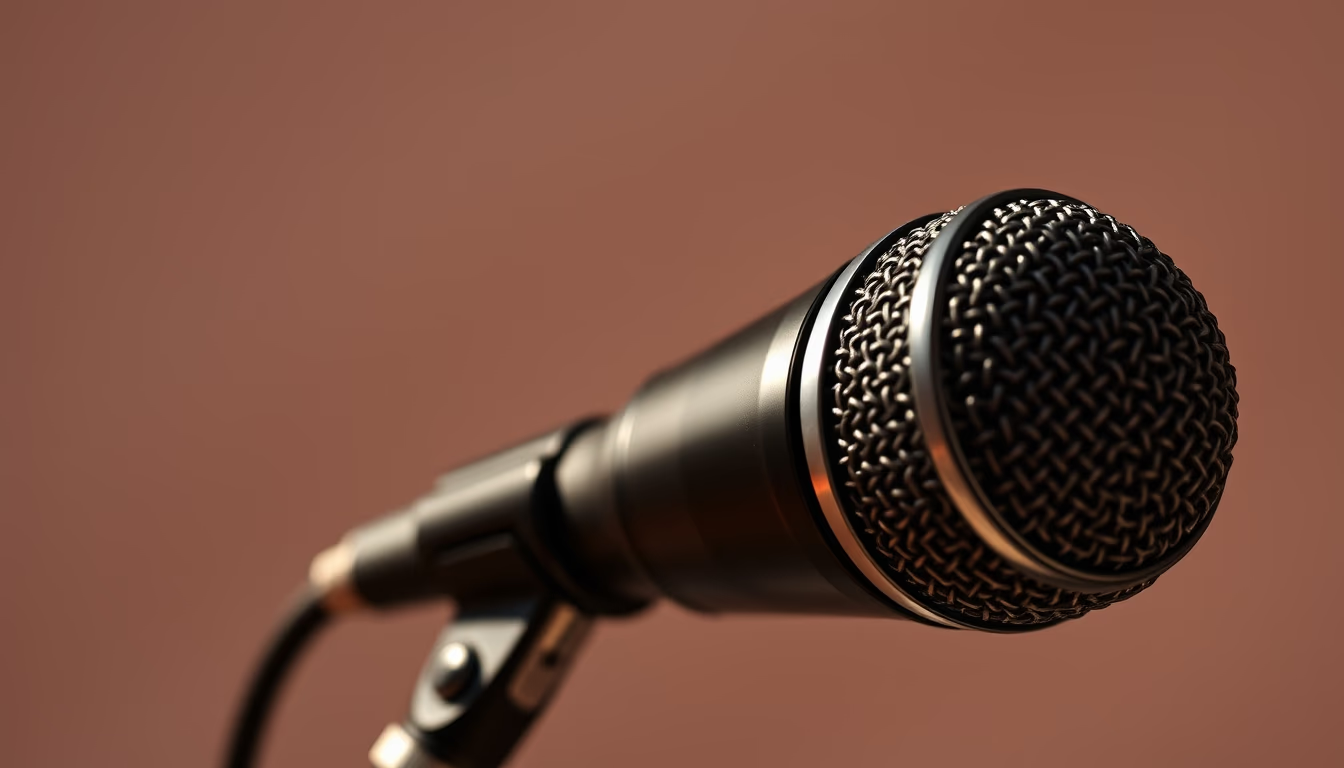
The Neumann U87 is a legendary studio condenser microphone, renowned for its versatility and refined sound since the 1960s.
About this subject
The Neumann U87 was introduced in 1967 by the German company Georg Neumann GmbH, succeeding the U67 model. It quickly became an industry standard in recording, used on countless iconic albums and film productions. Its dual-diaphragm capsule offers three polar patterns: cardioid, omnidirectional, and figure-eight, allowing adaptation to different sound sources, from vocals to acoustic instruments.
The U87's circuitry features an output transformer and a 48V phantom power polarization system, contributing to its full-bodied and detailed sound. Unlike many modern microphones, the U87 has a subtle emphasis on mid-high frequencies, enhancing clarity without being harsh. This sonic signature makes it especially prized for vocals, but it is also common for recordings of piano, acoustic guitar, and electric guitar.
Over the decades, the U87 underwent revisions, such as the U87 Ai version (introduced in 1986), which brought improvements in noise and frequency response. Despite changes, the basic design remained faithful to the original. The microphone is manufactured in Germany and remains a reference in professional studios, alongside models like the AKG C414 and Sony C800G. Its durability and consistency make it a long-term investment for audio engineers.
Interestingly, the U87 is also known for its elegant appearance, with a metal grille and gray-green body that has become iconic. Numerous artists, from Frank Sinatra to Adele, have recorded with it, cementing its status as one of the most important microphones in recorded music history.
Frequently Asked Questions
What is the difference between the Neumann U87 and the U87 Ai?
The U87 Ai is an updated version of the original U87, released in 1986. It features a circuit with lower noise and extended frequency response, using field-effect transistors (FETs) instead of bipolar transistors. The capsule design is the same, but the Ai version offers greater linearity and dynamic range.
Is the Neumann U87 suitable for recording instruments?
Yes, the U87 is extremely versatile. While famous for vocals, it excels at capturing piano, acoustic guitar, electric guitar (amplified), cello, and even drums as an overhead microphone. Its polar patterns allow adaptation to various microphone techniques.
Why is the Neumann U87 expensive?
The price reflects handcrafted construction, high-quality components, and a reputation built over decades. Each microphone is assembled and tested in Germany, with capsules manufactured under strict control. Additionally, its acclaim among audio engineers keeps demand high.
Direct URL
https://pub-c7d6a6ea828543ac903a74a341ccb2e1.r2.dev/imagens/neumann-u87-mic-documentary-photography-fresh11.avifHow to credit
Include a visible link back to UtilizAí. Copy one of the snippets below:
<a href="https://xn--utiliza-eza.com/en/midia/imagens/neumann-u87-mic-documentary-photography-fresh11">Neumann u87 mic</a> by <a href="https://xn--utiliza-eza.com">UtilizAí</a>, licensed under <a href="https://creativecommons.org/licenses/by/4.0/">CC BY 4.0</a>.
[Neumann u87 mic](https://xn--utiliza-eza.com/en/midia/imagens/neumann-u87-mic-documentary-photography-fresh11) by [UtilizAí](https://xn--utiliza-eza.com), CC BY 4.0
License: CC-BY-4.0