Mrna vaccine vial closeup
1344×768 · AVIF · CC BY 4.0
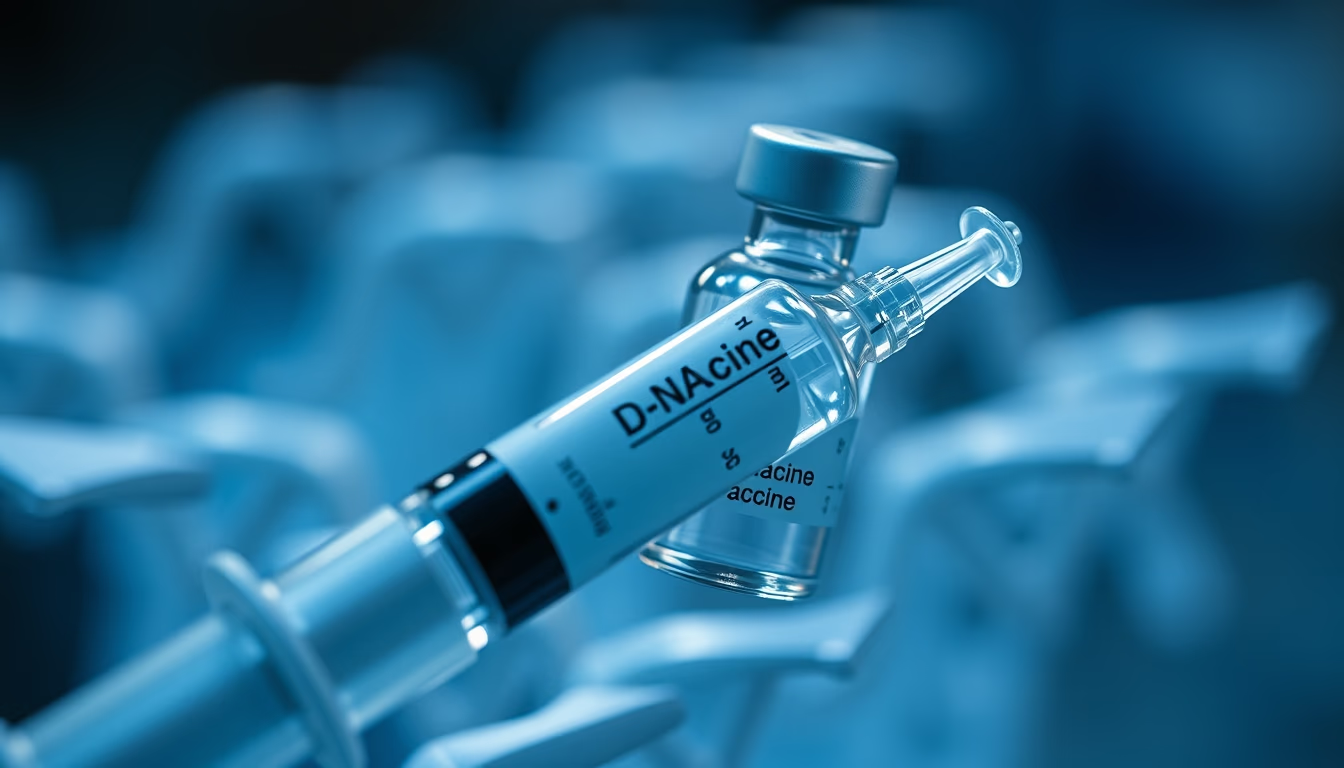
The mRNA vaccine vial symbolizes the biotechnological revolution that combated the COVID-19 pandemic with innovative technology.
About this subject
The mRNA vaccine vial, popularized during the COVID-19 pandemic, represents a milestone in medical history. Unlike traditional vaccines that use weakened or inactivated viruses, mRNA vaccines deliver genetic instructions for cells to produce a specific viral protein, triggering an immune response. This technology was developed over decades, with research dating back to the 1990s on gene therapy and cancer vaccines. Pfizer-BioNTech and Moderna were the first to receive emergency use authorization for mRNA vaccines against COVID-19 in late 2020.
The vials contain a frozen or refrigerated solution, depending on the formulation. The Pfizer vaccine, for example, required storage at -70°C, while Moderna's at -20°C. This complex logistics was one of the biggest challenges for global distribution. Each multidose vial typically holds 5 to 10 doses and requires dilution with saline before administration. The vial's simple appearance belies years of research in lipid nanoparticle technology that protects the fragile mRNA and enables cellular entry.
mRNA vaccines proved highly effective in preventing severe disease and death from COVID-19. Over 13 billion doses were administered globally by 2023. The technology also opened doors for vaccines against other diseases, such as influenza, Zika, and even personalized cancer therapies. The amber or clear glass vial, with a label containing batch and expiration information, is an icon of rapid scientific response to a global health emergency.
Frequently Asked Questions
How do mRNA vaccines work?
They use synthetic messenger RNA to instruct cells to produce a harmless viral protein, training the immune system to recognize and fight the actual virus.
Do mRNA vaccines alter human DNA?
No. mRNA does not enter the cell nucleus and is rapidly degraded after protein production. No integration with DNA occurs.
What is the difference between Pfizer and Moderna vaccines?
Both use mRNA, but differ in dosage, lipid composition, and storage requirements. Pfizer uses 30 µg of mRNA per dose and needs -70°C storage; Moderna uses 100 µg and can be stored at -20°C.
Direct URL
https://pub-c7d6a6ea828543ac903a74a341ccb2e1.r2.dev/imagens/mrna-vaccine-vial-closeup-aerial-drone-shot-p9.avifHow to credit
Include a visible link back to UtilizAí. Copy one of the snippets below:
<a href="https://xn--utiliza-eza.com/en/midia/imagens/mrna-vaccine-vial-closeup-aerial-drone-shot-p9">Mrna vaccine vial closeup</a> by <a href="https://xn--utiliza-eza.com">UtilizAí</a>, licensed under <a href="https://creativecommons.org/licenses/by/4.0/">CC BY 4.0</a>.
[Mrna vaccine vial closeup](https://xn--utiliza-eza.com/en/midia/imagens/mrna-vaccine-vial-closeup-aerial-drone-shot-p9) by [UtilizAí](https://xn--utiliza-eza.com), CC BY 4.0
License: CC-BY-4.0