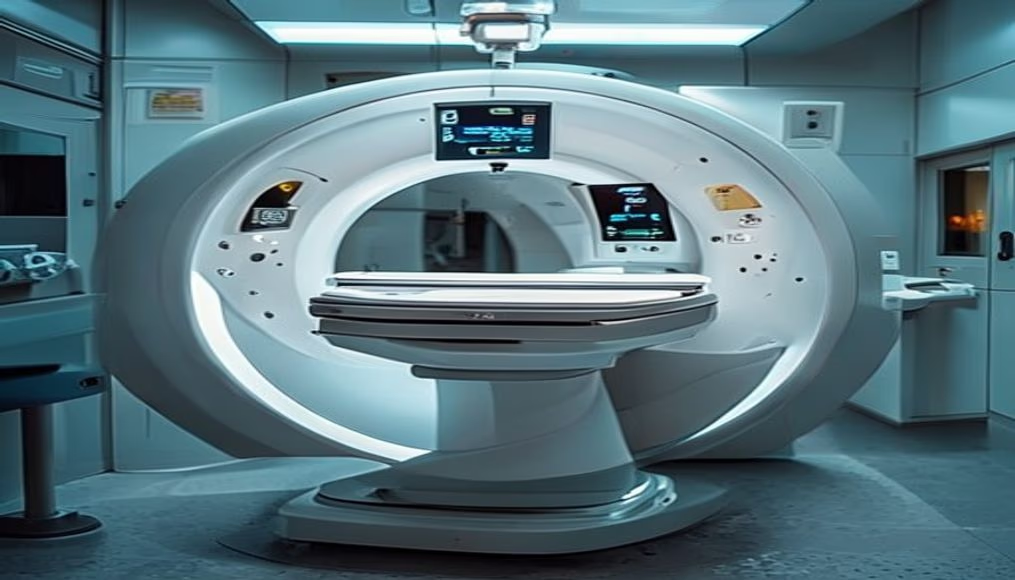
Mri scanner machine modern
1344×768 · AVIF · CC BY 4.0
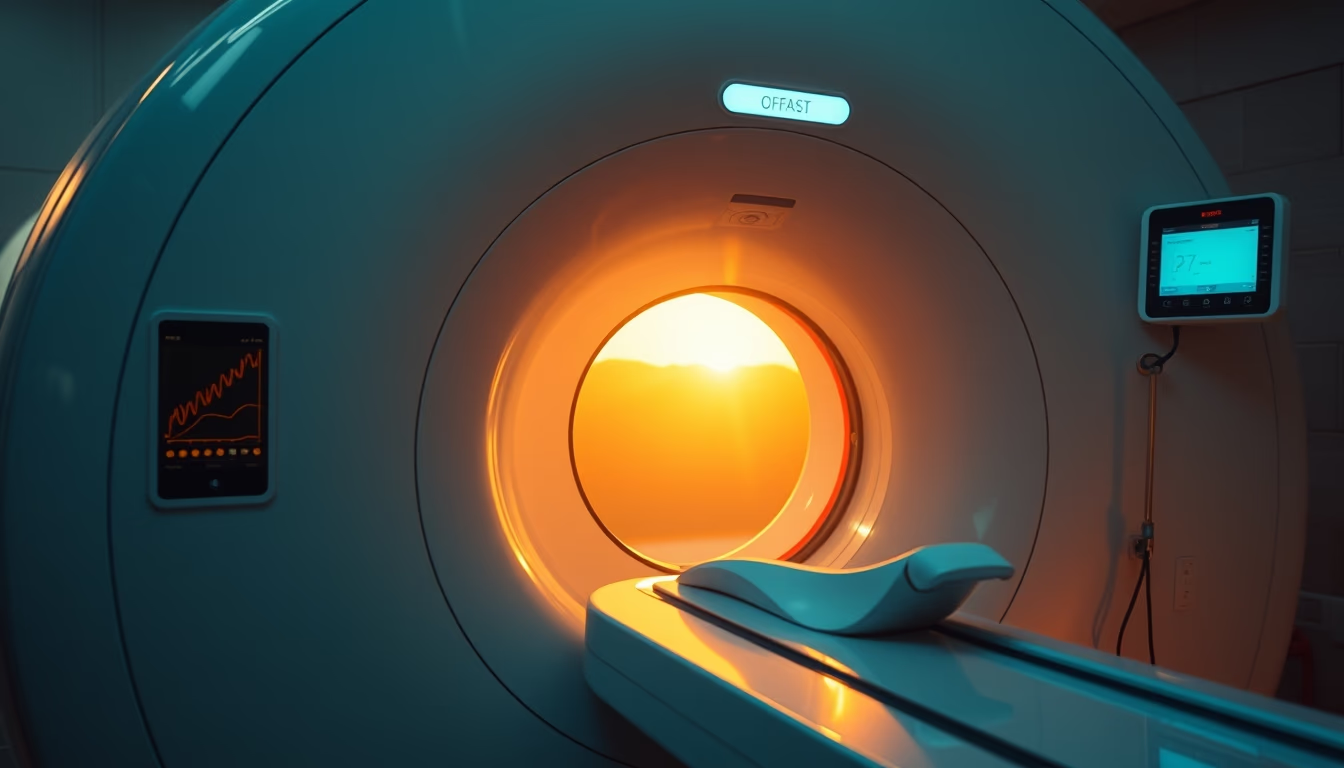
Modern MRI scanner in a hospital setting, a non-invasive medical imaging technology for advanced diagnostics.
About this subject
Magnetic resonance imaging (MRI) is a medical imaging technique that uses strong magnetic fields and radio waves to generate detailed images of organs and tissues inside the body. Unlike X-rays or CT scans, MRI does not use ionizing radiation, making it particularly safe for repeated exams and for vulnerable populations such as children and pregnant women (though specific precautions are required).
Modern MRI scanners, such as the one depicted, operate with magnetic field strengths ranging from 1.5 to 3 Tesla (T) in standard clinical equipment, reaching up to 7 T or more in research. The high magnetic field demands shielded rooms and strict safety protocols to avoid attraction of ferromagnetic objects. The scanner's tunnel is designed to minimize claustrophobia, with interior lighting and patient communication systems.
MRI is essential for diagnosing neurological diseases (brain tumors, multiple sclerosis), orthopedic conditions (ligament and cartilage injuries), cardiovascular issues, and oncology. Advanced techniques like functional MRI (fMRI) map brain activity in real time, while MR spectroscopy analyzes the chemical composition of tissues.
Brazil has a network of MRI machines in public and private hospitals, with notable centers such as Hospital das Clínicas da USP and Inca. Despite high acquisition and maintenance costs, MRI has become indispensable in modern medicine, reducing the need for invasive procedures.
Frequently Asked Questions
What is the difference between MRI and CT scan?
MRI uses magnetic fields and radio waves, no ionizing radiation, and provides better soft tissue contrast. CT uses X-rays, is faster, and is preferred for bones and emergencies.
Is it safe to have an MRI with metal implants?
It depends on the material. Ferromagnetic implants (e.g., some old surgical clips) are contraindicated. MRI-compatible implants (titanium, non-magnetic stainless steel) are safe. Always inform your doctor about any implants.
How long does an MRI scan take?
Typically 30 to 60 minutes, depending on the area scanned and number of sequences. More complex exams, like cardiac MRI, can take up to 90 minutes.
Direct URL
https://pub-c7d6a6ea828543ac903a74a341ccb2e1.r2.dev/imagens/mri-scanner-machine-modern-cinematic-wide-shot-v2.avifHow to credit
Include a visible link back to UtilizAí. Copy one of the snippets below:
<a href="https://xn--utiliza-eza.com/en/midia/imagens/mri-scanner-machine-modern-cinematic-wide-shot-v2">Mri scanner machine modern</a> by <a href="https://xn--utiliza-eza.com">UtilizAí</a>, licensed under <a href="https://creativecommons.org/licenses/by/4.0/">CC BY 4.0</a>.
[Mri scanner machine modern](https://xn--utiliza-eza.com/en/midia/imagens/mri-scanner-machine-modern-cinematic-wide-shot-v2) by [UtilizAí](https://xn--utiliza-eza.com), CC BY 4.0
License: CC-BY-4.0