Mount fuji winter snow
1344×768 · AVIF · CC BY 4.0
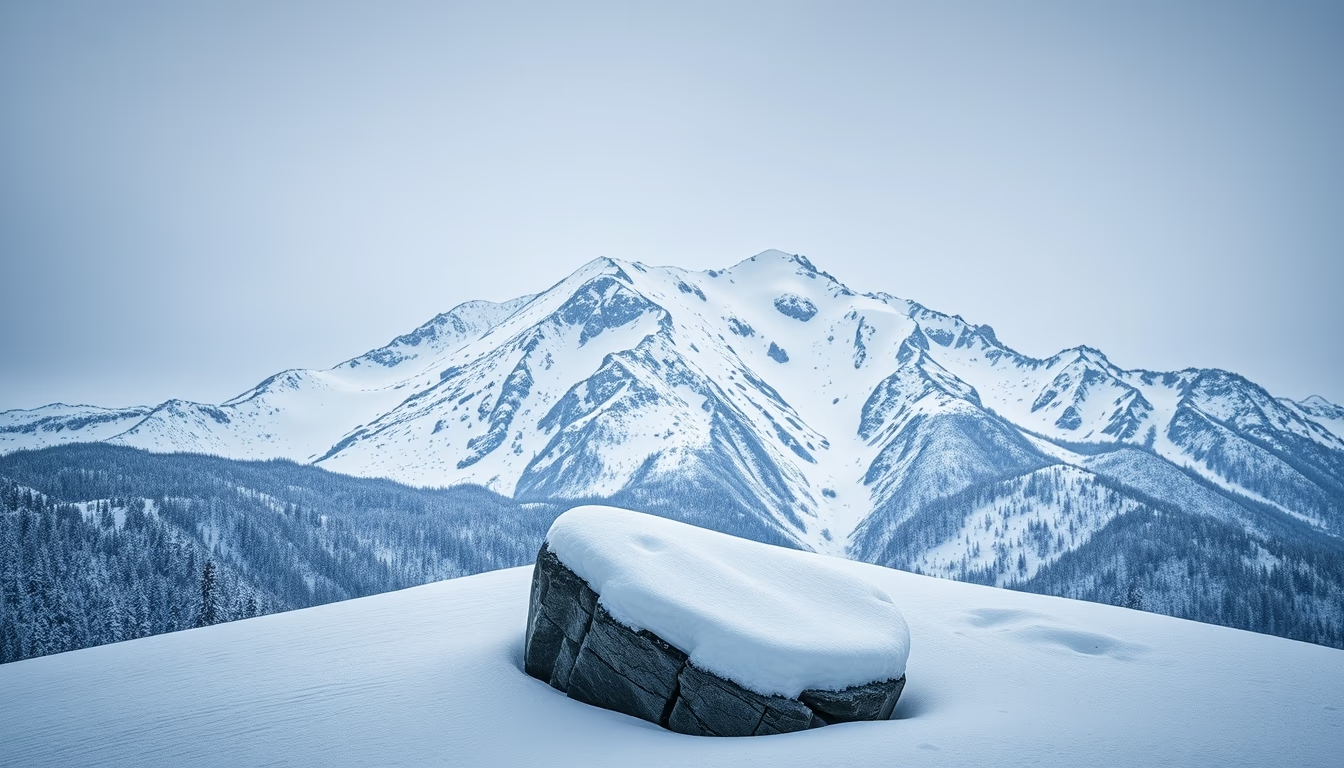
Mount Fuji covered in winter snow, iconic symbol of Japan and UNESCO World Heritage site, draws visitors and admirers from around the world.
About this subject
Mount Fuji, standing at 3,776 meters, is Japan's tallest mountain and one of the most iconic active volcanoes on Earth. Located on Honshu Island, about 100 km southwest of Tokyo, its near-perfect cone shape results from volcanic eruptions over 10,000 years ago. In winter, the summit is covered by a thick layer of snow, typically from October to May, creating a striking contrast against the blue sky.
The mountain holds deep cultural and spiritual significance in Japan. It is considered a sacred mountain and has been a pilgrimage site for Shinto and Buddhist practices for centuries. Mount Fuji inspired countless works of art, especially the famous ukiyo-e woodblock prints from the Edo period, such as Hokusai's "36 Views of Mount Fuji." In 2013, it was inscribed as a UNESCO World Heritage site for its cultural value, including worship sites and natural landscapes.
The official climbing season runs from July to September, when weather conditions are safer and snow melts. However, in winter, the mountain is dangerous for inexperienced climbers, with extremely low temperatures and strong winds. Snow persists on the summit year-round except during extreme heat, contributing to glaciers and water sources for the region.
Beyond its natural beauty, Mount Fuji plays a major role in tourism and Japan's economy. About 300,000 people climb the mountain each season, and surrounding towns like Fujiyoshida and Kawaguchiko offer spectacular views and trail access. The image of snow-capped Fuji appears on flags, stamps, and logos, solidifying it as one of the world's most recognizable landmarks.
Frequently Asked Questions
Why is Mount Fuji covered in snow in winter?
Due to its high altitude (3,776 m), temperatures at the summit are very low in winter, often below freezing. Snowfall is common from October to May, creating a persistent snowcap that only melts in summer.
Can you climb Mount Fuji in winter?
Yes, but it is extremely dangerous and recommended only for experienced climbers with proper gear. The official climbing season is from July to September, when conditions are safer and mountain huts are open.
What is the cultural significance of Mount Fuji in Japan?
Mount Fuji is considered sacred in Shinto and Buddhist traditions, serving as a pilgrimage and meditation site. It has inspired countless artworks, such as Hokusai's prints, and was designated a UNESCO World Heritage site in 2013 for its cultural value.
Direct URL
https://pub-c7d6a6ea828543ac903a74a341ccb2e1.r2.dev/imagens/mount-fuji-winter-snow-studio-still-life-p9.avifHow to credit
Include a visible link back to UtilizAí. Copy one of the snippets below:
<a href="https://xn--utiliza-eza.com/en/midia/imagens/mount-fuji-winter-snow-studio-still-life-p9">Mount fuji winter snow</a> by <a href="https://xn--utiliza-eza.com">UtilizAí</a>, licensed under <a href="https://creativecommons.org/licenses/by/4.0/">CC BY 4.0</a>.
[Mount fuji winter snow](https://xn--utiliza-eza.com/en/midia/imagens/mount-fuji-winter-snow-studio-still-life-p9) by [UtilizAí](https://xn--utiliza-eza.com), CC BY 4.0
License: CC-BY-4.0