Mount fuji winter snow
1344×768 · AVIF · CC BY 4.0
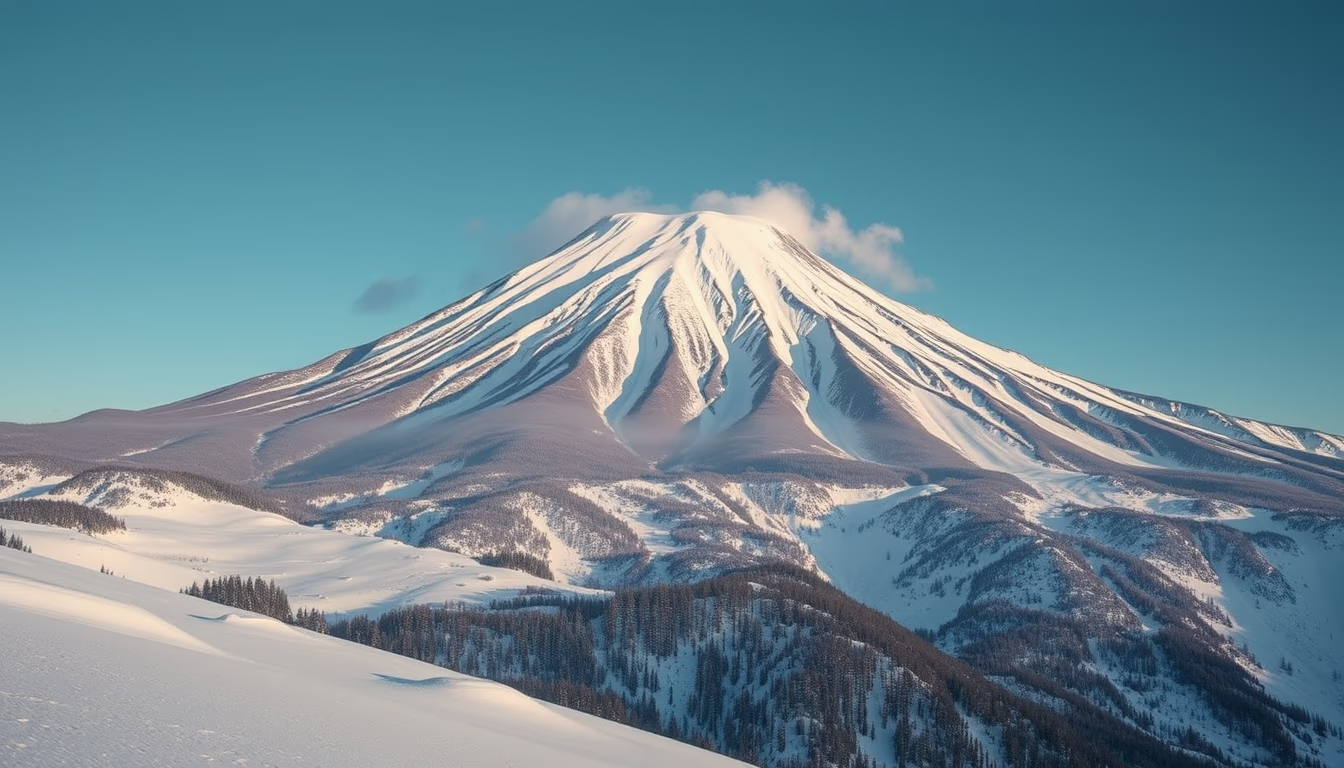
Mount Fuji in winter snow is a Japanese icon, a UNESCO World Heritage site, and a revered cultural symbol.
About this subject
Mount Fuji, standing at 3,776 meters, is Japan's tallest mountain and one of the country's most recognized symbols. Located on Honshu Island, about 100 km southwest of Tokyo, the active volcano last erupted in 1707. During winter, the summit is covered by a thick layer of snow, typically lasting from October to May. The snow not only beautifies the landscape but also influences the local ecosystem and cultural traditions.
The snow on Fuji plays a significant role in Japanese culture, inspiring countless artworks, poems, and photographs. The image of the snowy peak is especially associated with the Edo period, when ukiyo-e prints by Hokusai and Hiroshige popularized the view. For the Japanese, snow represents purity and renewal, and Mount Fuji is often depicted as a sacred site. The official climbing season runs from July to September; in winter, the mountain is considered dangerous and only experienced climbers attempt the summit.
Mount Fuji was designated a UNESCO World Heritage site in 2013, not only for its natural beauty but for its influence on art and religion. Shinto shrines at the foot of the mountain, such as Fujisan Hongu Sengen Taisha, hold ceremonies linked to snow and the seasonal cycle. Snow is also vital for the region's water supply: the meltwater feeds rivers and aquifers that sustain agriculture and nearby cities.
A fun fact: Mount Fuji has its own snow forecast, monitored by the Japan Meteorological Agency. The first snowfall of the year is announced prominently in the media. In 2023, the first snow was recorded on October 5, later than the historical average. Climate change has been affecting the snow cover period, with later starts and faster melting, raising environmental concerns.
Frequently Asked Questions
When is the best time to see Mount Fuji with snow?
The best time is from November to February, when snow cover is most consistent. Clear views are common on winter mornings, especially after cold fronts.
Is it possible to climb Mount Fuji in winter?
Yes, but it is extremely dangerous. Winter climbing is recommended only for experienced mountaineers with proper snow and ice gear. Most trails and huts are closed.
Why is Mount Fuji so important in Japanese culture?
Mount Fuji is considered sacred in Shinto and Buddhism, a symbol of beauty and immortality. Its symmetrical shape and snow-capped peak have inspired centuries of art, literature, and religious pilgrimages.
Direct URL
https://pub-c7d6a6ea828543ac903a74a341ccb2e1.r2.dev/imagens/mount-fuji-winter-snow-magazine-editorial-p1.avifHow to credit
Include a visible link back to UtilizAí. Copy one of the snippets below:
<a href="https://xn--utiliza-eza.com/en/midia/imagens/mount-fuji-winter-snow-magazine-editorial-p1">Mount fuji winter snow</a> by <a href="https://xn--utiliza-eza.com">UtilizAí</a>, licensed under <a href="https://creativecommons.org/licenses/by/4.0/">CC BY 4.0</a>.
[Mount fuji winter snow](https://xn--utiliza-eza.com/en/midia/imagens/mount-fuji-winter-snow-magazine-editorial-p1) by [UtilizAí](https://xn--utiliza-eza.com), CC BY 4.0
License: CC-BY-4.0