Mother and child at vaccination clinic
1344×768 · AVIF · CC BY 4.0
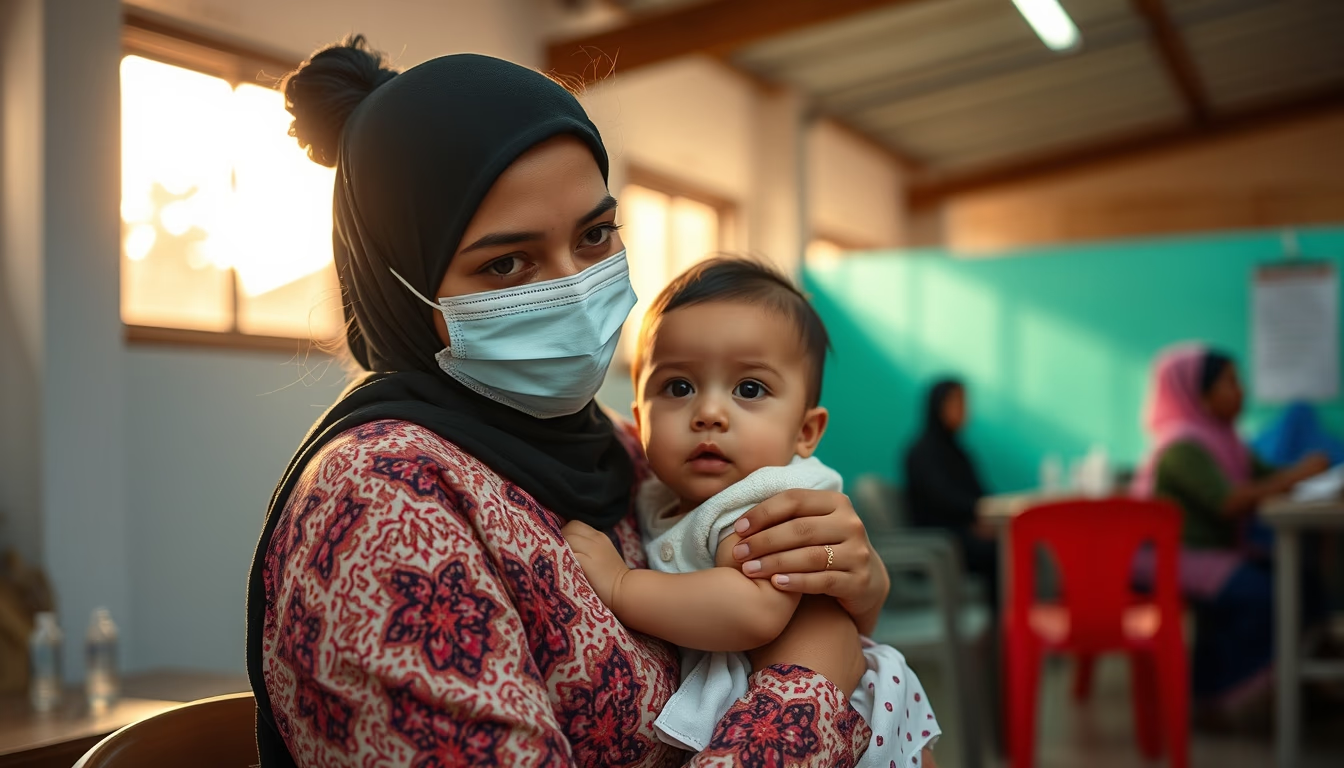
Mother and child at a vaccination clinic during a childhood immunization campaign in Brazil.
About this subject
Childhood vaccination is a key public health strategy in Brazil, preventing diseases such as measles, polio, and diphtheria. The National Immunization Program (PNI), established in 1973, is a global reference for its coverage and capillarity, offering free vaccines at over 38,000 vaccination rooms across the country. During campaigns, such as multivaccination drives, clinics and health posts receive mothers and children to update vaccination schedules, even on overcast days that do not reduce demand.
The act of vaccinating a child involves not only the injection but also guidance on side effects and the importance of the vaccination card. In Brazil, the basic schedule includes vaccines like BCG, pentavalent, and IPV (inactivated polio vaccine). The mother's presence is crucial to calm the child and ensure a smooth process. According to the Ministry of Health, childhood vaccination coverage has faced challenges in recent years, with declines that have prompted intensified campaigns in schools and primary health units.
Interestingly, Brazil has been certified polio-free since 1994 by the World Health Organization, but maintaining high vaccination rates is essential to prevent the disease's return. On campaign days, queues at clinics are common, especially in peripheral areas, where community mobilization and health agents' support are vital. The image captures this moment of care and prevention, typical across the country.
Frequently Asked Questions
Why is childhood vaccination important in Brazil?
Childhood vaccination prevents serious diseases like measles, polio, and diphtheria, protecting children's health and the community. The Brazilian PNI is one of the largest immunization programs globally.
Where can I get my child vaccinated for free?
Basic schedule vaccines are available at over 38,000 SUS vaccination rooms, including health posts, family clinics, and primary health units.
What should I do if my child has pain or fever after vaccination?
Mild fever or local pain is normal. Offer fluids, keep the child rested, and use recommended analgesics if needed. Consult a professional if symptoms persist.
Direct URL
https://pub-c7d6a6ea828543ac903a74a341ccb2e1.r2.dev/imagens/mother-and-child-at-vaccination-clinic-editorial-overcast-daytime-5.avifHow to credit
Include a visible link back to UtilizAí. Copy one of the snippets below:
<a href="https://xn--utiliza-eza.com/en/midia/imagens/mother-and-child-at-vaccination-clinic-editorial-overcast-daytime-5">Mother and child at vaccination clinic</a> by <a href="https://xn--utiliza-eza.com">UtilizAí</a>, licensed under <a href="https://creativecommons.org/licenses/by/4.0/">CC BY 4.0</a>.
[Mother and child at vaccination clinic](https://xn--utiliza-eza.com/en/midia/imagens/mother-and-child-at-vaccination-clinic-editorial-overcast-daytime-5) by [UtilizAí](https://xn--utiliza-eza.com), CC BY 4.0
License: CC-BY-4.0