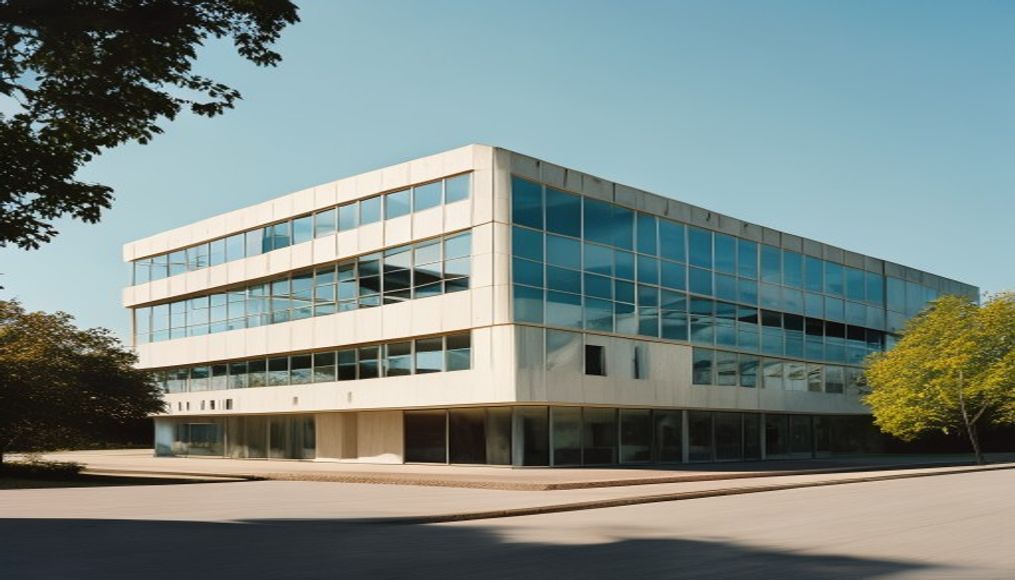
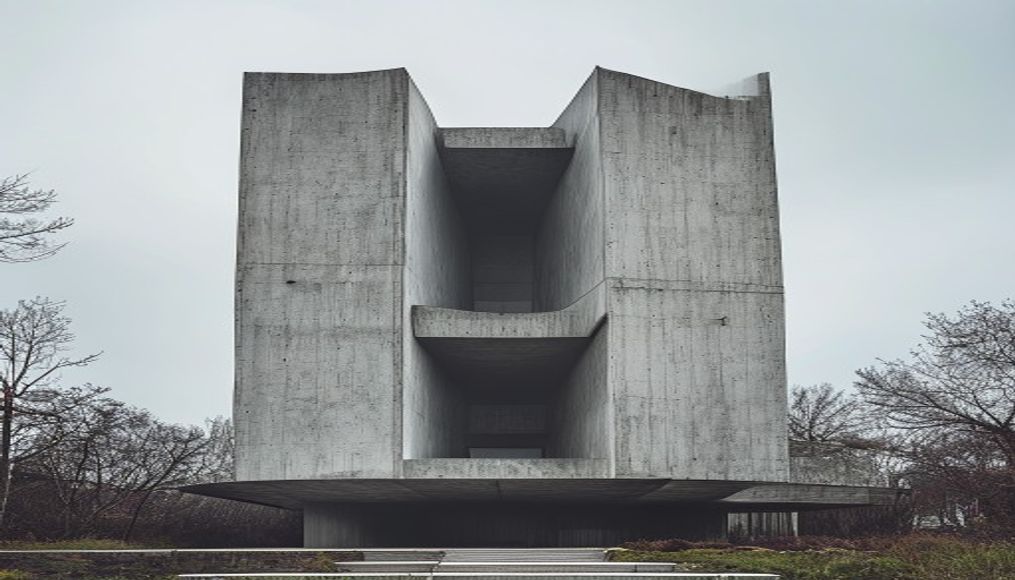
Modernist le corbusier
1344×768 · JPG · CC BY 4.0

Le Corbusier, pseudonym of Charles-Édouard Jeanneret, was a Swiss-French architect who pioneered modernism, revolutionizing 20th-century architecture and urban planning.
About this subject
Le Corbusier (1887-1965) is regarded as one of the most influential architects of the 20th century and a leading figure of the Modernist movement. Born in La Chaux-de-Fonds, Switzerland, he became a naturalized French citizen and developed a radical approach to designing buildings and cities. His philosophy emphasized functionality, geometric purity, and the use of new materials such as reinforced concrete and glass, inspiring architects worldwide.
Among his most famous contributions are the "Five Points of a New Architecture," published in 1927: pilotis (columns lifting the building), roof garden, open floor plan, free facade, and ribbon windows. These principles were applied in iconic works like the Villa Savoye (1929-1931) in Poissy, France, and the Unité d'Habitation (1947-1952) in Marseille, a residential block that became a model for modern collective housing. Another notable project is the Chapel of Ronchamp (1950-1955), which breaks with modernist rigidity through its sculptural forms.
Le Corbusier also focused on urban planning. His master plan for Chandigarh, India (1950s), exemplifies his vision of a functional city organized into sectors with ample green spaces. He developed the Modulor, a system of proportions based on the human scale, aiming to harmonize architecture and the body. His ideas influenced not only architecture but also design and urban planning, drawing both criticism and acclaim. Despite controversies, his legacy remains central to debates on how to design spaces that meet human needs.
Frequently Asked Questions
Who was Le Corbusier and why is he important in architecture?
Le Corbusier was a Swiss-French architect and a pioneer of modernism. His importance lies in introducing new design principles, such as the Five Points of Architecture, and his global influence on urban planning and collective housing.
What are the Five Points of Modern Architecture by Le Corbusier?
The Five Points are: pilotis (columns elevating the building), roof garden, open floor plan (free plan), free facade (independent of structure), and ribbon windows (horizontal continuous windows).
What is Le Corbusier's most famous work?
The Villa Savoye, built between 1929 and 1931 in Poissy, France, is considered his masterpiece and an icon of the modern movement, exemplifying the Five Points of architecture.
Direct URL
https://pub-c7d6a6ea828543ac903a74a341ccb2e1.r2.dev/imagens/modernist-le-corbusier-national-geographic-style-p3.jpgHow to credit
Include a visible link back to UtilizAí. Copy one of the snippets below:
<a href="https://xn--utiliza-eza.com/en/midia/imagens/modernist-le-corbusier-national-geographic-style-p3">Modernist le corbusier</a> by <a href="https://xn--utiliza-eza.com">UtilizAí</a>, licensed under <a href="https://creativecommons.org/licenses/by/4.0/">CC BY 4.0</a>.
[Modernist le corbusier](https://xn--utiliza-eza.com/en/midia/imagens/modernist-le-corbusier-national-geographic-style-p3) by [UtilizAí](https://xn--utiliza-eza.com), CC BY 4.0
License: CC-BY-4.0