Modern retail store minimalist
1344×768 · AVIF · CC BY 4.0
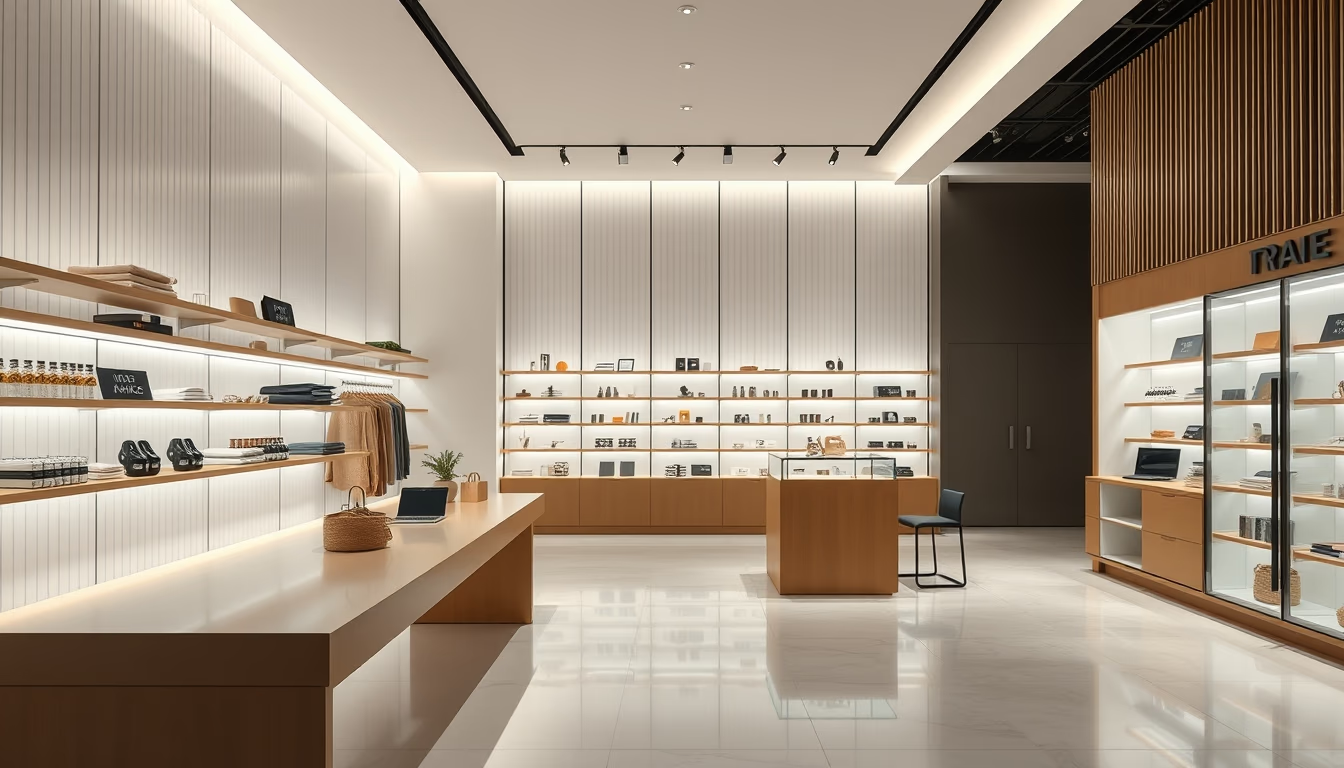
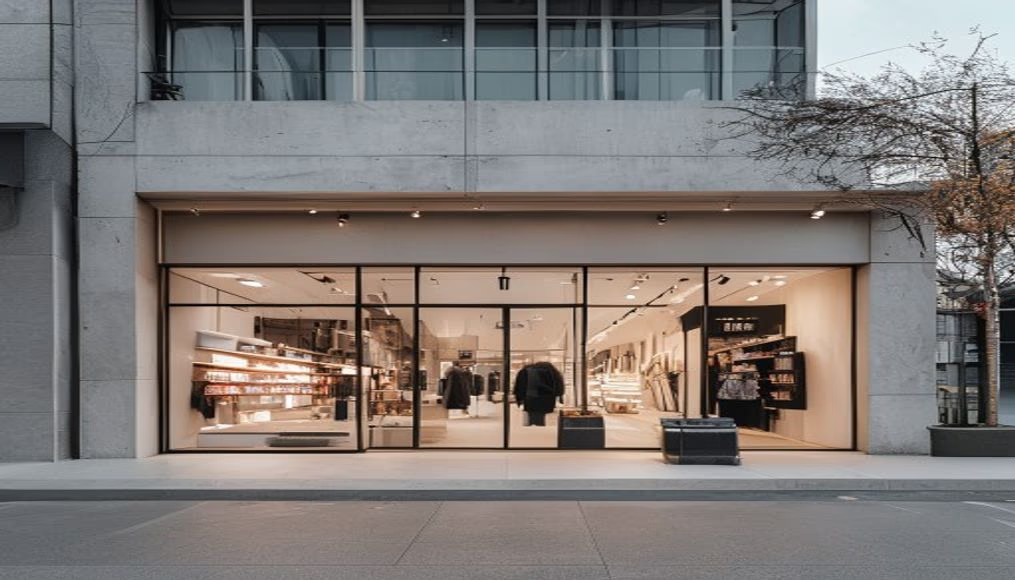
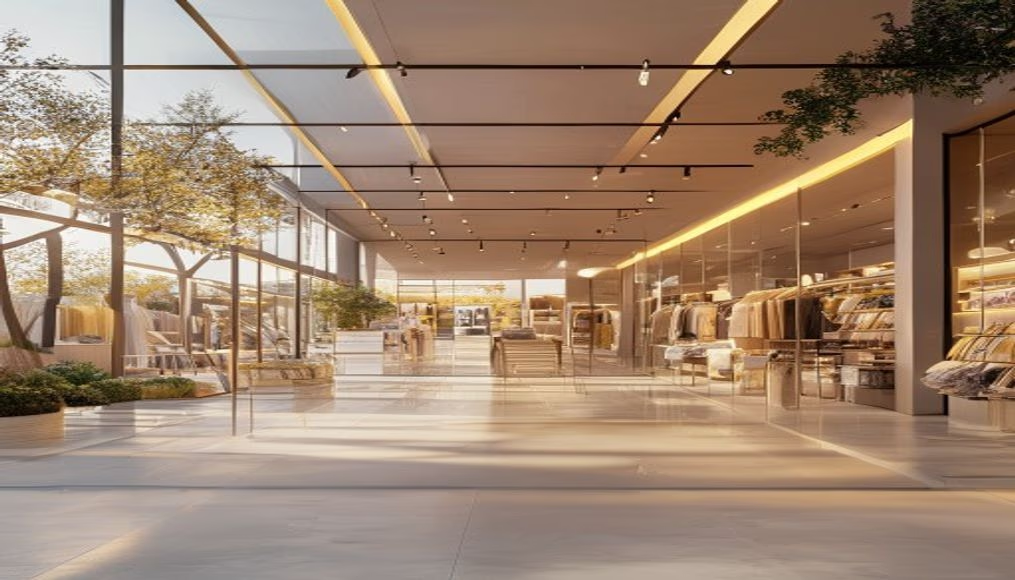
Minimalist retail stores use clean, functional design to highlight products, enhancing customer experience and contemporary aesthetics.
About this subject
Minimalism in retail emerged as a response to the visual clutter and information overload of traditional stores. Influenced by Japanese design and the modernist movement, this concept favors clean spaces, straight lines, and strategic lighting. Brands like Apple and Muji have consolidated the model, where every architectural element and piece of furniture serves to direct focus to the product, eliminating unnecessary noise.
Beyond aesthetics, minimalist stores promote operational efficiency and sustainability. The reduction of materials and the choice of durable finishes, such as exposed concrete, natural wood, and recycled metals, lower maintenance costs and environmental impact. Lighting is designed to enhance the textures and colors of displayed items, creating a welcoming and contemporary atmosphere.
In the Brazilian context, minimalism has gained traction in fashion, electronics, and home decor stores, especially in urban centers like São Paulo and Rio de Janeiro. The technique also adapts to small spaces, using mirrors and built-in shelves to increase the sense of spaciousness. The current trend integrates subtle digital displays and natural elements, such as plants, to humanize the environment without disrupting visual harmony.
For the consumer, the shopping experience in a minimalist store is more peaceful and intuitive. The absence of excess allows them to focus on the products and decision-making, while the curated selection conveys sophistication and exclusivity. This model aligns with the search for more conscious and aesthetically meaningful consumption.
Frequently Asked Questions
What defines a minimalist store?
A minimalist store prioritizes simplicity and functionality, with a spacious layout, neutral colors, controlled lighting, and few decorative elements. The goal is to highlight products and provide a distraction-free shopping experience.
What are the benefits of minimalist design for retail?
Reduced material and maintenance costs, improved customer flow efficiency, perception of sophistication and sustainability, and easier adaptation to different spaces and audiences.
How to apply minimalism in small commercial spaces?
Use multifunctional furniture, wall-mounted shelves, mirrors to expand the space, and a light color palette. Reduce the number of displayed products, prioritizing high-visual or seasonal items.
Direct URL
https://pub-c7d6a6ea828543ac903a74a341ccb2e1.r2.dev/imagens/modern-retail-store-minimalist-commercial-product-photography-v9.avifHow to credit
Include a visible link back to UtilizAí. Copy one of the snippets below:
<a href="https://xn--utiliza-eza.com/en/midia/imagens/modern-retail-store-minimalist-commercial-product-photography-v9">Modern retail store minimalist</a> by <a href="https://xn--utiliza-eza.com">UtilizAí</a>, licensed under <a href="https://creativecommons.org/licenses/by/4.0/">CC BY 4.0</a>.
[Modern retail store minimalist](https://xn--utiliza-eza.com/en/midia/imagens/modern-retail-store-minimalist-commercial-product-photography-v9) by [UtilizAí](https://xn--utiliza-eza.com), CC BY 4.0
License: CC-BY-4.0