Modern bank vault closed door
1344×768 · AVIF · CC BY 4.0
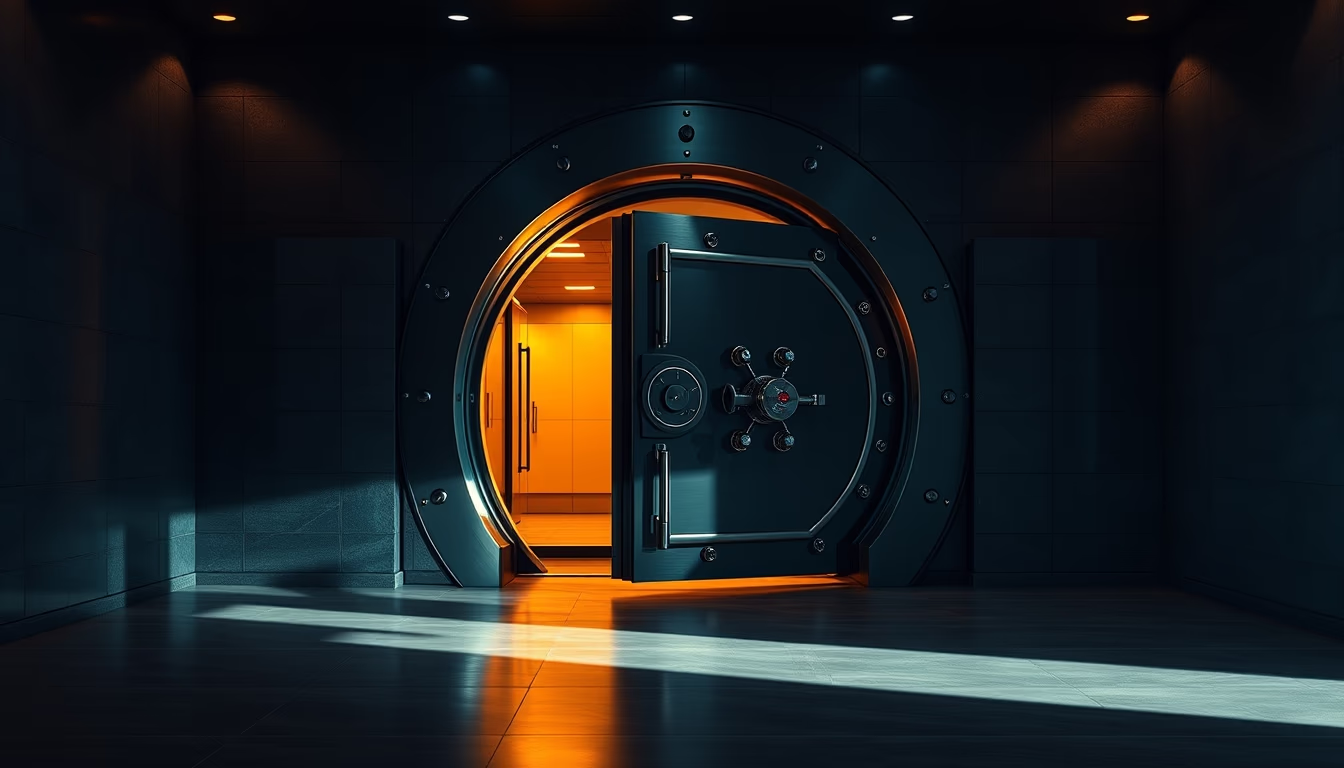
Closed door of a modern bank vault, symbolizing security and financial protection in institutions worldwide.
About this subject
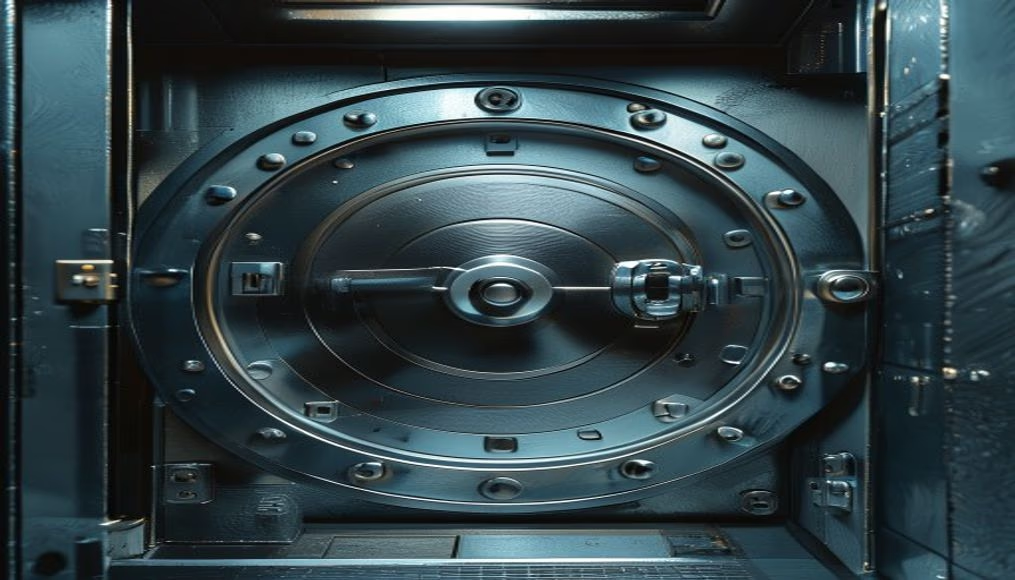
Modern bank vaults are designed with cutting-edge technology to ensure maximum security for financial assets, documents, and valuables. The door of such a vault is typically made of high-strength steel with multiple layers and locking systems that may include mechanical, electronic, and biometric combinations. These systems have evolved significantly since the first vaults of the 19th century, which were manually operated with keys and simple combinations.
The location of a bank vault is strategically planned within the branch, often in underground areas or with reinforced walls to prevent unauthorized access. In addition to doors, modern vaults feature motion sensors, surveillance cameras, and alarms connected to monitoring centers. The cultural importance of these vaults goes beyond security; they represent the trust customers place in financial institutions.
Interestingly, the design of vault doors also reflects the status and solidity of the bank. Some historical institutions, such as the Bank of England or the US Federal Reserve, have vaults that are true engineering feats, with doors weighing tons and requiring specific opening procedures. The technology applied in these systems is constantly updated to face threats such as cyber attacks and physical break-in attempts.
In Brazil, banking security is regulated by the Central Bank, which mandates strict standards for vaults and alarm systems. A modern vault door, therefore, is not just a physical barrier but an integrated component of a security ecosystem that ranges from customer identification to cash transportation.
Frequently Asked Questions
How does the locking system of a modern bank vault work?
It typically combines mechanical mechanisms, such as combination locks, with electronic and biometric systems, like fingerprint or iris scanners. Access may require multiple factors, such as a password and card, and is monitored by sensors.
What security standards are required for bank vaults in Brazil?
The Central Bank establishes regulations like Resolution 4.656, which defines requirements for vaults, including resistance to break-ins, alarm systems, monitoring, and procedures for cash transportation.
Why is a bank vault door so heavy?
The thickness and weight are necessary to resist break-in attempts, such as using blowtorches or explosives. The door is built with multiple layers of steel and composite materials that make drilling difficult.
Direct URL
https://pub-c7d6a6ea828543ac903a74a341ccb2e1.r2.dev/imagens/modern-bank-vault-closed-door-cinematic-wide-shot-v2.avifHow to credit
Include a visible link back to UtilizAí. Copy one of the snippets below:
<a href="https://xn--utiliza-eza.com/en/midia/imagens/modern-bank-vault-closed-door-cinematic-wide-shot-v2">Modern bank vault closed door</a> by <a href="https://xn--utiliza-eza.com">UtilizAí</a>, licensed under <a href="https://creativecommons.org/licenses/by/4.0/">CC BY 4.0</a>.
[Modern bank vault closed door](https://xn--utiliza-eza.com/en/midia/imagens/modern-bank-vault-closed-door-cinematic-wide-shot-v2) by [UtilizAí](https://xn--utiliza-eza.com), CC BY 4.0
License: CC-BY-4.0