Mitochondria 3d render
1344×768 · AVIF · CC BY 4.0
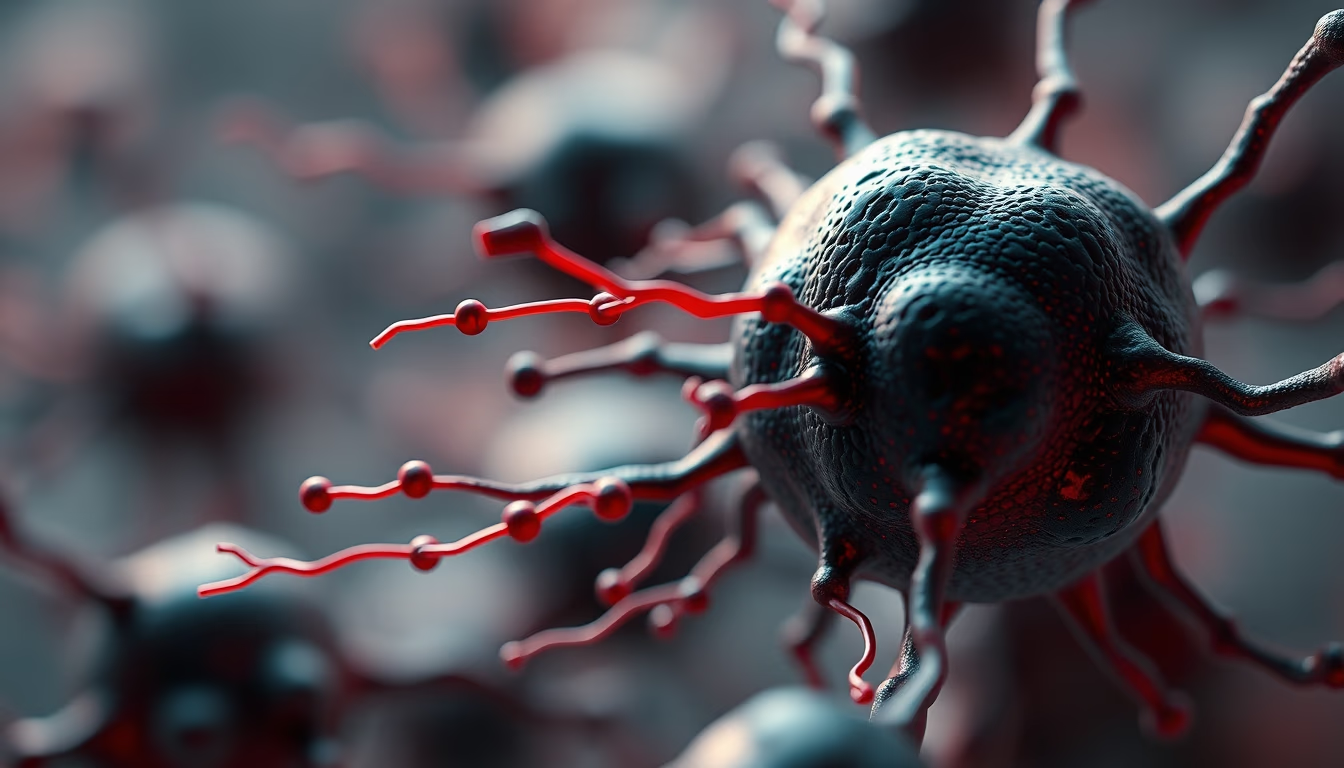
Mitochondria are cellular organelles responsible for producing energy in the form of ATP, essential for metabolism and cellular respiration.
About this subject
Mitochondria are organelles found in the cytoplasm of eukaryotic cells, famously known as the "powerhouses" of the cell. They convert nutrients into adenosine triphosphate (ATP) through oxidative phosphorylation, a process that uses oxygen and produces carbon dioxide as a byproduct. This organelle has a double membrane: the outer membrane is smooth, while the inner membrane forms folds called cristae, which increase the surface area for chemical reactions. The space between the membranes is the intermembrane space, and the mitochondrial matrix contains its own DNA, ribosomes, and enzymes of the Krebs cycle.
The origin of mitochondria is explained by the endosymbiotic theory, which proposes that they evolved from primitive aerobic bacteria engulfed by ancestral cells. This symbiosis was so successful that mitochondria lost the ability to live independently but retained their own circular genome, similar to bacteria. Mitochondrial DNA is inherited exclusively from the maternal lineage in many organisms, including humans, allowing researchers to trace ancestry through population genetics studies.
Beyond energy production, mitochondria play crucial roles in cell cycle regulation, apoptosis (programmed cell death), and calcium homeostasis. Mitochondrial dysfunctions are linked to various diseases, such as neuromuscular disorders, type 2 diabetes, heart disease, and premature aging. Research on mitochondria is constantly advancing, exploring everything from gene therapies to dietary interventions aimed at improving mitochondrial health.
Frequently Asked Questions
What are mitochondria?
Mitochondria are cellular organelles that generate most of the chemical energy needed for biochemical reactions in the cell, in the form of ATP.
What is the main function of mitochondria?
The main function is to produce ATP through cellular respiration, converting oxygen and nutrients into usable energy for the cell.
Why do mitochondria have their own DNA?
According to the endosymbiotic theory, mitochondria descend from bacteria that were engulfed by ancestral cells, retaining part of the original genetic material, which enables the synthesis of proteins essential for their function.
Direct URL
https://pub-c7d6a6ea828543ac903a74a341ccb2e1.r2.dev/imagens/mitochondria-3d-render-macro-closeup-p8.avifHow to credit
Include a visible link back to UtilizAí. Copy one of the snippets below:
<a href="https://xn--utiliza-eza.com/en/midia/imagens/mitochondria-3d-render-macro-closeup-p8">Mitochondria 3d render</a> by <a href="https://xn--utiliza-eza.com">UtilizAí</a>, licensed under <a href="https://creativecommons.org/licenses/by/4.0/">CC BY 4.0</a>.
[Mitochondria 3d render](https://xn--utiliza-eza.com/en/midia/imagens/mitochondria-3d-render-macro-closeup-p8) by [UtilizAí](https://xn--utiliza-eza.com), CC BY 4.0
License: CC-BY-4.0