Meteora monasteries greece
1344×768 · AVIF · CC BY 4.0
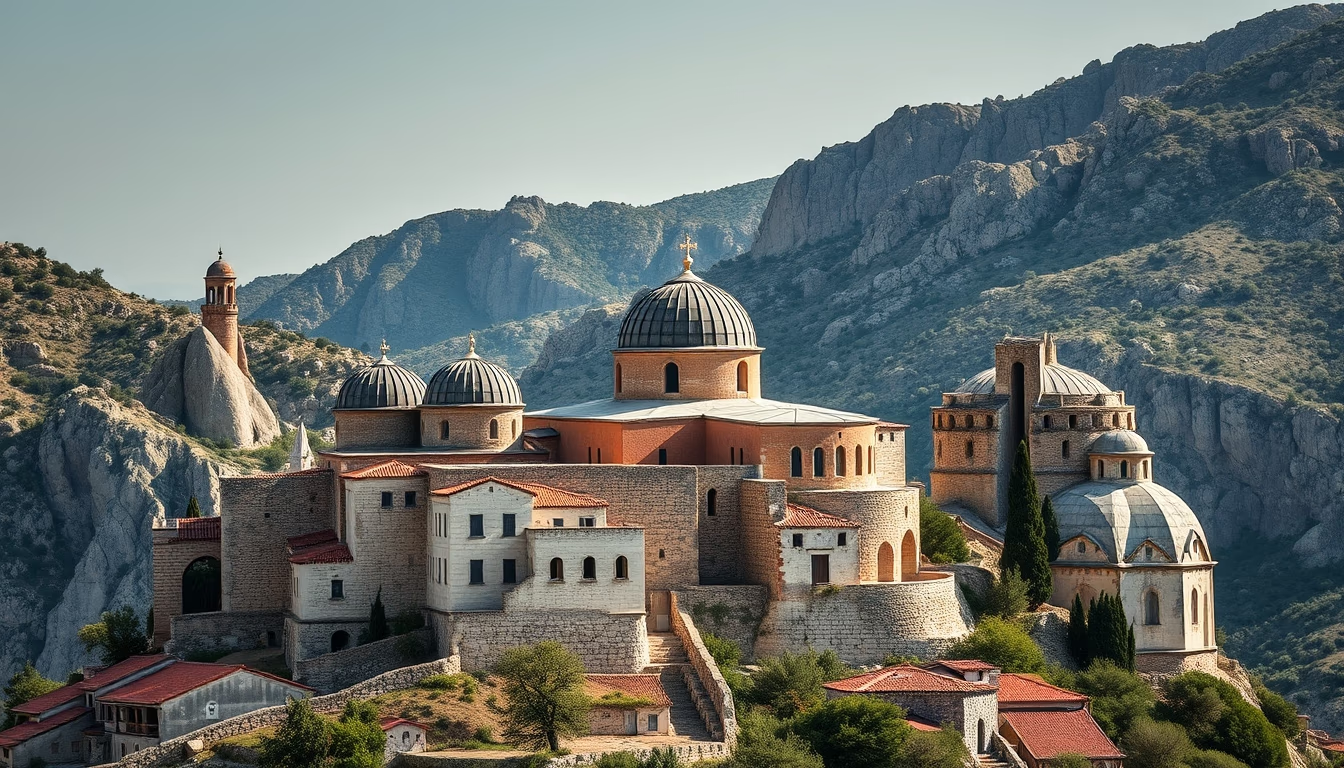
The Meteora monasteries in Greece are a complex of monasteries built atop towering rock pillars, recognized as a UNESCO World Heritage site.
About this subject
The Meteora monasteries are situated on the Thessaly plain, near the town of Kalambaka in central-northern Greece. The name "Meteora" means "suspended in the air" or "in the middle of the sky," a direct reference to their dramatic location. The complex originally housed 24 monasteries, of which six remain active and open to visitors: Great Meteoron, Varlaam, Rousanou, St. Stephen, Holy Trinity, and St. Nicholas Anapausas.
The geological formation of the rocks dates back about 30 million years, a result of tectonic movements and erosion that created huge pillars of sandstone and conglomerate. The first hermits arrived in the region in the 11th century, but the main construction of the monasteries intensified from the 14th century onward, when Byzantine monks sought isolation and protection from Turkish invasions. To reach the tops, monks used retractable ladders, ropes, and baskets hoisted by winches, a system that remained in use until the 20th century.
Each monastery features churches decorated with post-Byzantine frescoes, many depicting biblical scenes and saints. The Great Meteoron Monastery, the largest and oldest, was founded around 1340 by Saint Athanasius. It houses a museum with ancient manuscripts, icons, and liturgical objects. The Varlaam Monastery, built in 1541, is notable for a collection of rare books and a chapel with impressive frescoes. Rousanou Monastery, dating from 1545, is known for its well-preserved wall paintings and its location on a narrower pillar.
Today, Meteora is a popular tourist destination and an important Orthodox religious center. It was declared a UNESCO World Heritage site in 1988. Access is facilitated by roads and steps carved into the rock, but the sense of isolation and spirituality remains strong. The region also attracts rock climbers due to the verticality of the formations. Meteora continues to be a symbol of the combination of grand nature and unwavering faith.
Frequently Asked Questions
How many Meteora monasteries are there?
Originally there were 24 monasteries in the Meteora region, but only six are currently active and open to visitors: Great Meteoron, Varlaam, Rousanou, St. Stephen, Holy Trinity, and St. Nicholas Anapausas. The others are in ruins or decommissioned.
When were the Meteora monasteries built?
The first hermits arrived in the 11th century, but most monasteries were built between the 14th and 16th centuries, a period of political instability in the Byzantine Empire. The oldest active one, Great Meteoron, dates from around 1340.
How did monks ascend to the monasteries before roads were built?
Monks used retractable ladders, ropes, and baskets hoisted by winches to reach the tops of the rocks. Supplies and building materials were also transported this way, which protected the monasteries from invaders.
Direct URL
https://pub-c7d6a6ea828543ac903a74a341ccb2e1.r2.dev/imagens/meteora-monasteries-greece-magazine-editorial-p6.avifHow to credit
Include a visible link back to UtilizAí. Copy one of the snippets below:
<a href="https://xn--utiliza-eza.com/en/midia/imagens/meteora-monasteries-greece-magazine-editorial-p6">Meteora monasteries greece</a> by <a href="https://xn--utiliza-eza.com">UtilizAí</a>, licensed under <a href="https://creativecommons.org/licenses/by/4.0/">CC BY 4.0</a>.
[Meteora monasteries greece](https://xn--utiliza-eza.com/en/midia/imagens/meteora-monasteries-greece-magazine-editorial-p6) by [UtilizAí](https://xn--utiliza-eza.com), CC BY 4.0
License: CC-BY-4.0