Meteora monasteries greece
1344×768 · AVIF · CC BY 4.0
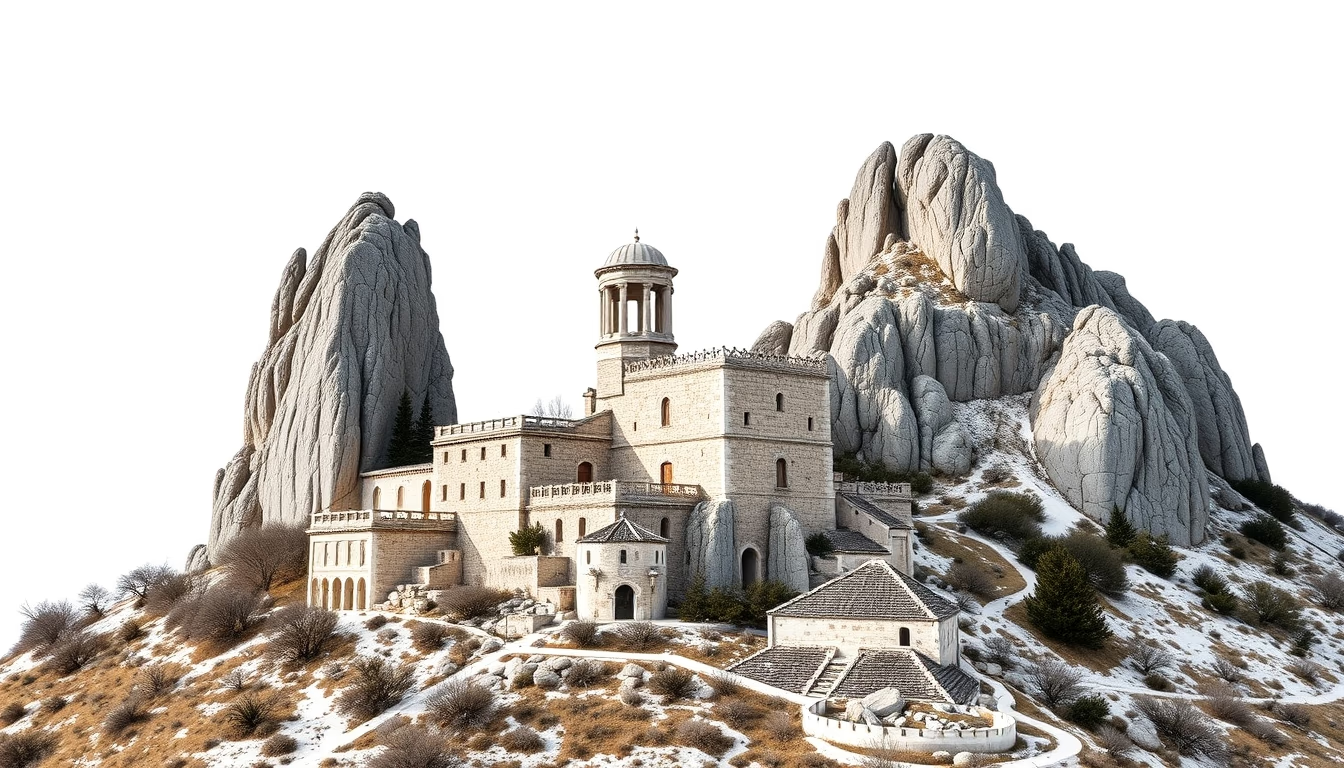
The Meteora monasteries in Greece are stunning Byzantine structures perched atop rock pillars, a UNESCO World Heritage site since 1988.
About this subject
Meteora is a region in Thessaly, central Greece, known for its stunning rock formations of sandstone and conglomerate that reach heights of up to 400 meters. The monasteries were built by Byzantine monks starting in the 14th century, as a quest for spiritual isolation and protection from invasions. Originally there were 24 monasteries, but only six remain inhabited and open to the public.
Historically, the Meteora monasteries played a crucial role during the Ottoman period, serving as a refuge for monks and preserving Greek culture and Orthodox faith. The Great Meteoron Monastery, the largest and oldest, was founded around 1340 by Athanasios of Meteora. Other highlights include Varlaam Monastery, known for its grand church, and Roussanou Monastery, famous for its Renaissance-style frescoes.
Today, the monasteries are one of Greece's top tourist destinations, attracting visitors from all over the world. Access is facilitated by paved roads and stairs carved into the rock. Besides cultural tourism, the region is popular for rock climbing and hiking. Because of its unique beauty, Meteora has served as a filming location for movies such as "For Your Eyes Only" (1989) and "Tomorrow Never Dies" (1997).
A fascinating fact is that monks originally used nets and ropes to haul supplies and people up to the cliff tops. Reports indicate that a climb using this precarious method took about an hour. The name "Meteora" means "suspended in the air" in Greek, an accurate description of the monasteries' location. In 1988, UNESCO recognized Meteora as a mixed World Heritage site, valuing both its cultural and natural significance.
Frequently Asked Questions
How many monasteries are there in Meteora?
Originally there were 24 monasteries, but only six are now inhabited and open to the public: Great Meteoron, Varlaam, Roussanou, St. Stephen, Holy Trinity, and St. Nicholas Anapausas.
How did the monks build the monasteries on such high cliffs?
They used ropes, pulleys, and baskets to transport materials and people to the top of the rock pillars. This method was risky and time-consuming, taking about an hour to ascend.
Can tourists visit the Meteora monasteries today?
Yes, the monasteries are accessible via paved roads and stairs. There are specific visiting hours and an entrance fee is charged at each monastery.
Direct URL
https://pub-c7d6a6ea828543ac903a74a341ccb2e1.r2.dev/imagens/meteora-monasteries-greece-commercial-product-photography-p7.avifHow to credit
Include a visible link back to UtilizAí. Copy one of the snippets below:
<a href="https://xn--utiliza-eza.com/en/midia/imagens/meteora-monasteries-greece-commercial-product-photography-p7">Meteora monasteries greece</a> by <a href="https://xn--utiliza-eza.com">UtilizAí</a>, licensed under <a href="https://creativecommons.org/licenses/by/4.0/">CC BY 4.0</a>.
[Meteora monasteries greece](https://xn--utiliza-eza.com/en/midia/imagens/meteora-monasteries-greece-commercial-product-photography-p7) by [UtilizAí](https://xn--utiliza-eza.com), CC BY 4.0
License: CC-BY-4.0