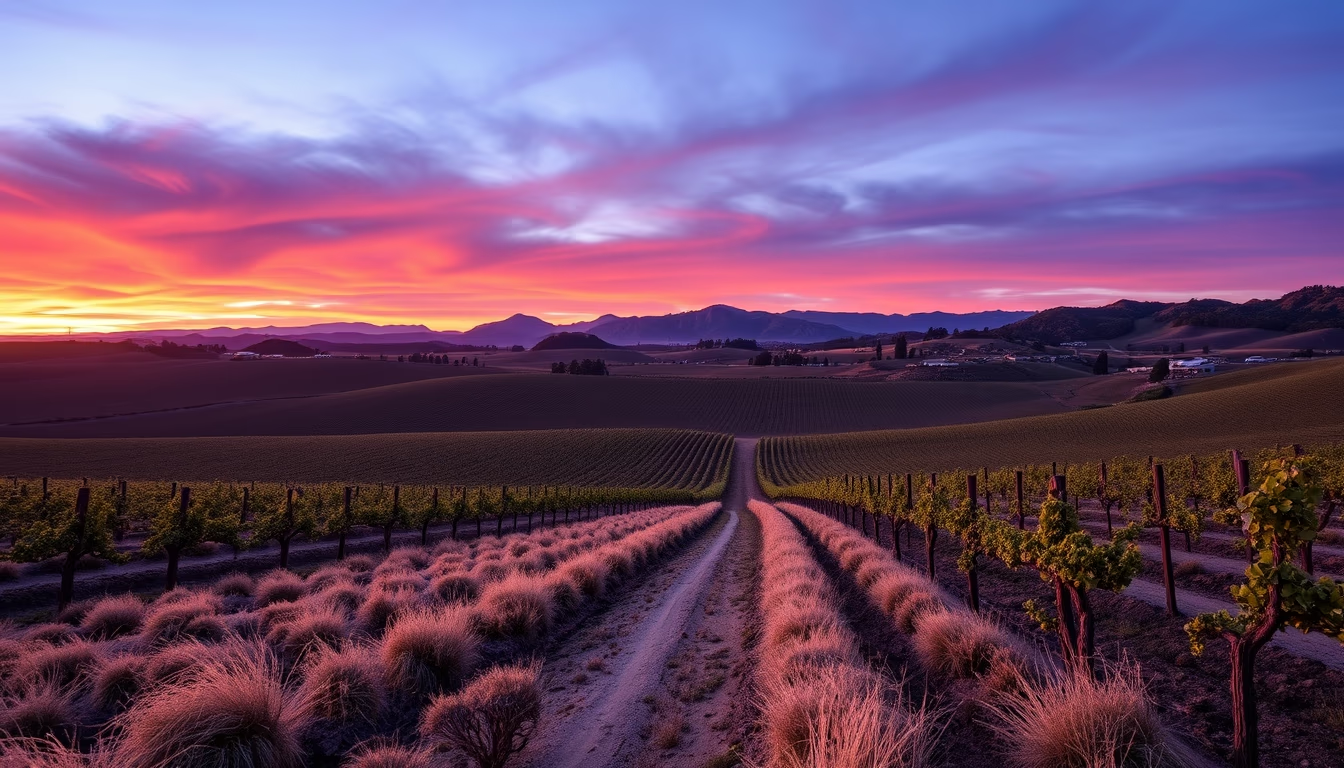
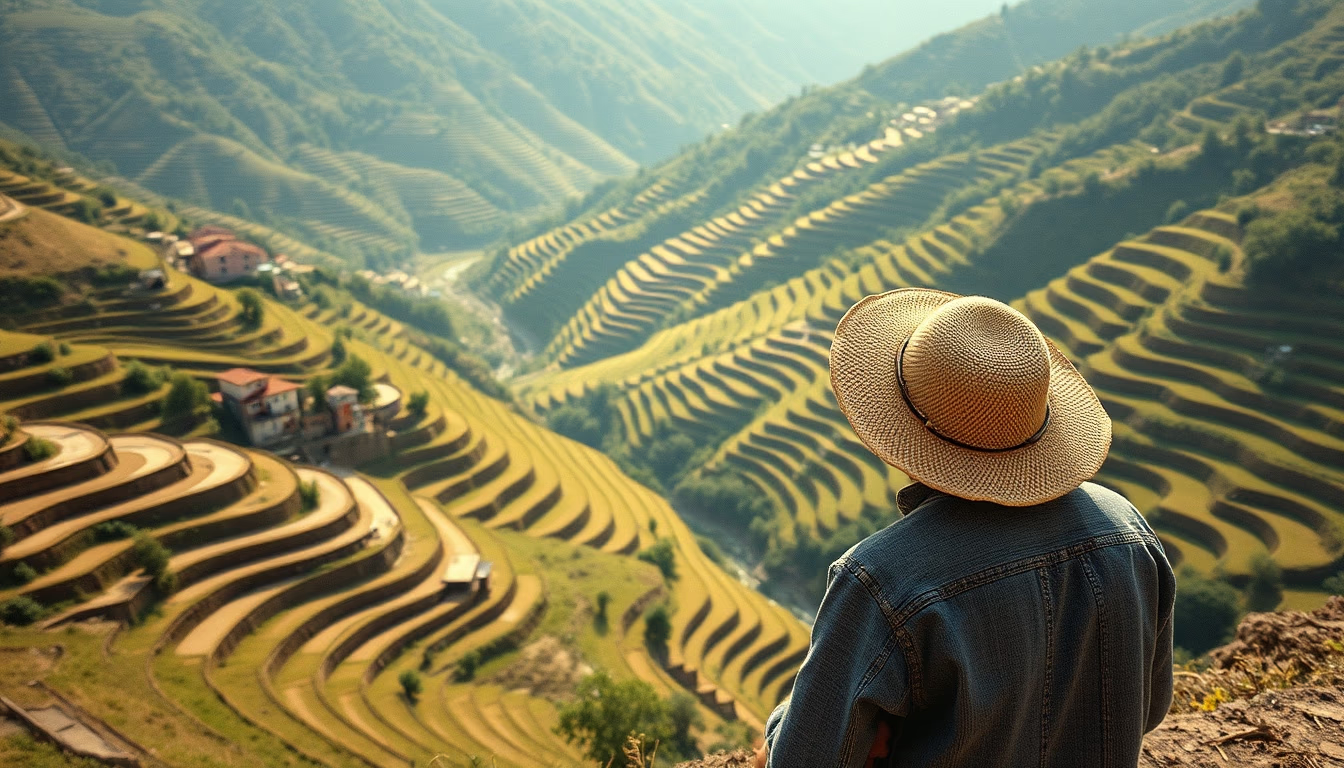
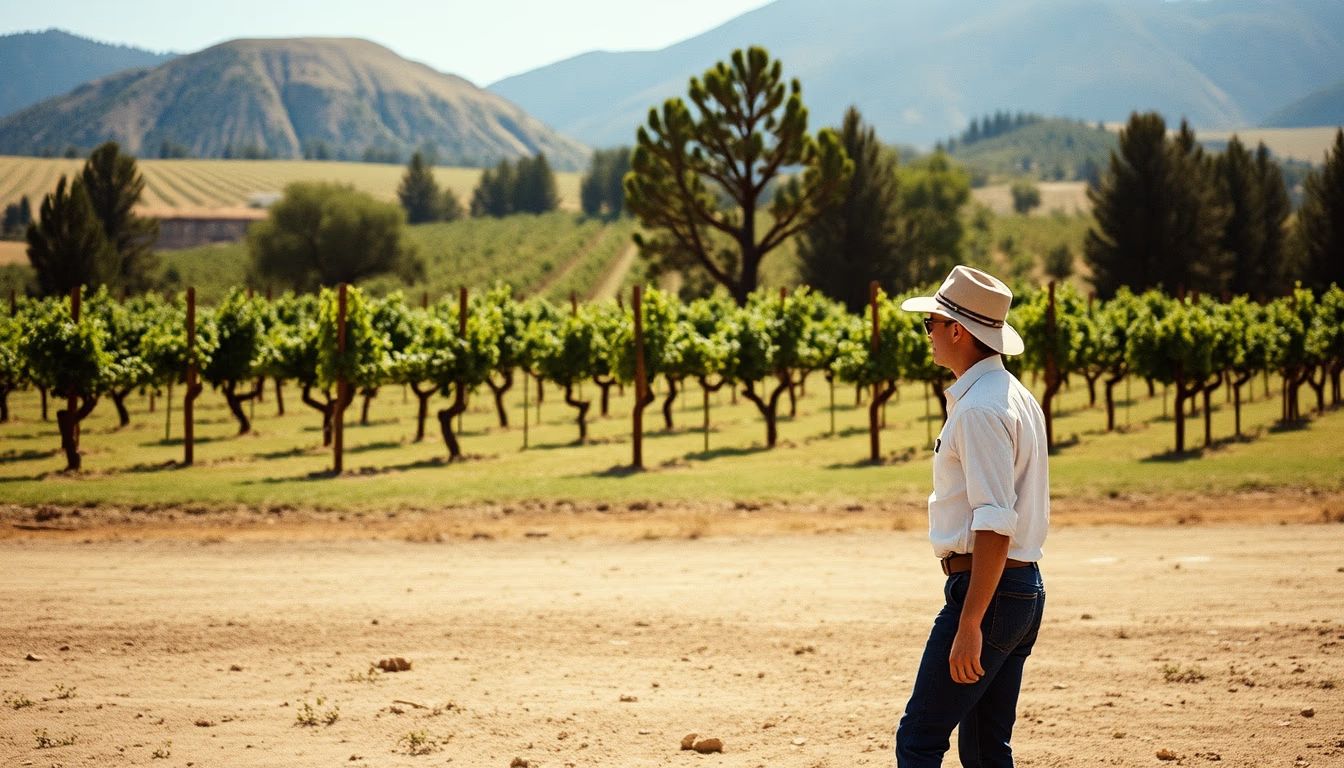
Mendoza argentine vineyard
1344×768 · AVIF · CC BY 4.0
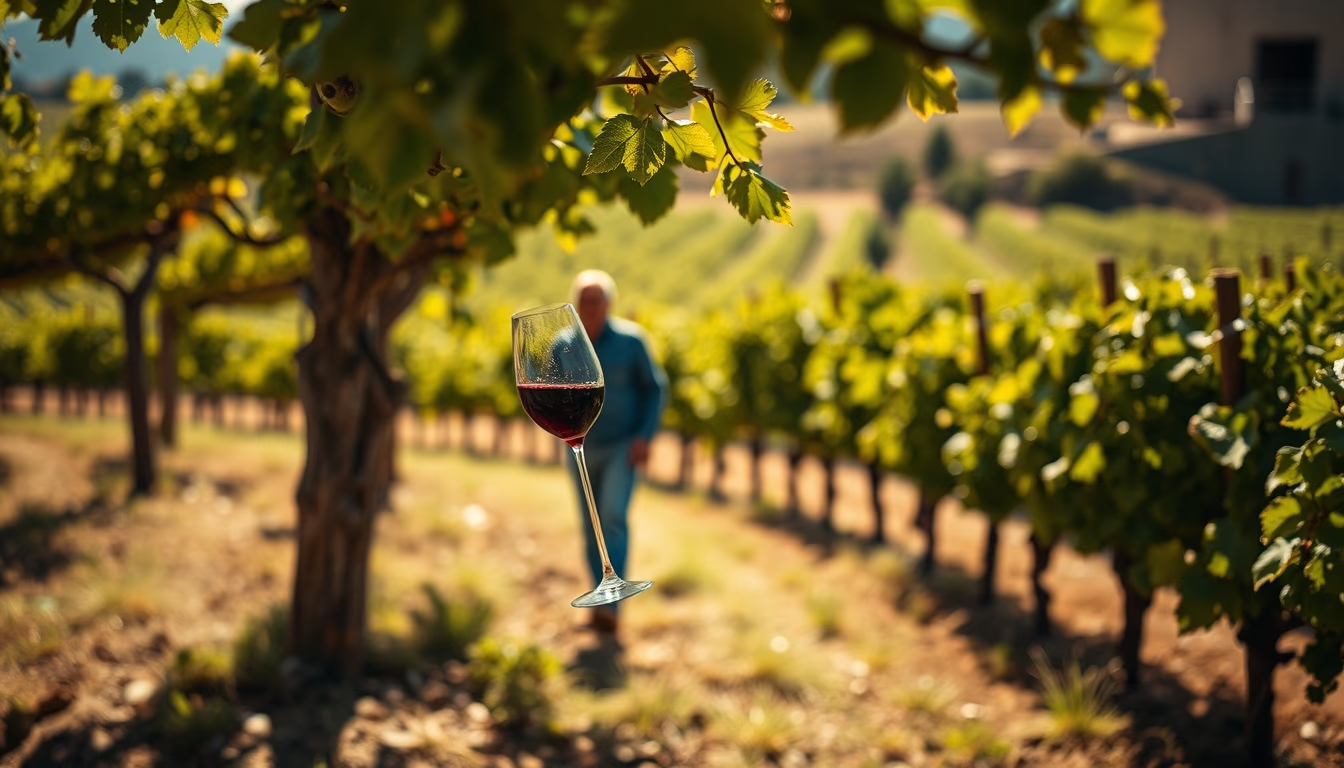
Mendoza, Argentina, hosts high-altitude vineyards producing some of the world's best Malbecs. Explore the geography and culture of Argentine wine.
About this subject
Mendoza's wine region, located east of the Andes mountain range, accounts for about 70% of Argentina's wine production. Its most striking feature is high altitude, with vineyards ranging from 600 to 1,500 meters above sea level. This altitude, combined with a semi-arid climate, warm days and cool nights, provides an ideal temperature variation for growing Malbec grapes, which have become the country's emblematic variety. The vines' deep roots seek water underground, resulting in thick-skinned grapes with soft tannins, giving wines intense color and elegant structure.
Historically, viticulture in Mendoza began in the 16th century with Spanish colonizers, but it was the arrival of Italian and French immigrants in the 19th century that boosted the region. The canal irrigation system, fed by rivers from the Andes, was key to transforming the desert into a productive oasis. Today, the region is divided into sub-regions such as Luján de Cuyo, Maipú, and the Uco Valley, each with unique soil and microclimate characteristics. The Uco Valley, in particular, gained international acclaim for its high-quality wines and extreme-altitude vineyards.
Wine culture in Mendoza extends beyond production: wine tourism is an economic pillar. Routes like the Ruta del Vino attract visitors worldwide for tastings, tours of historic and modern wineries, and gastronomic experiences pairing wines with local cuisine like asado and empanadas. The landscape of vineyards against the Andes backdrop is a visual spectacle symbolizing harmony between nature and tradition.
Interestingly, high altitude also protects vineyards from pests and diseases, allowing more sustainable practices. Additionally, intense sun and low humidity reduce the need for fungicides. Mendoza is also known for producing varieties such as Cabernet Sauvignon, Bonarda, and Torrontés (for aromatic white wines). The region celebrates the annual Fiesta de la Vendimia, a harvest festival featuring music, dance, and plenty of wine.
Frequently Asked Questions
Why is altitude important for Mendoza wines?
High altitude provides warm days and cool nights, increasing diurnal temperature variation. This helps grapes develop balanced acidity and ripe tannins, resulting in wines with intense color and freshness.
What is the main grape grown in Mendoza?
Malbec is the most emblematic grape of Mendoza. It has adapted perfectly to the region's climate and soil, producing full-bodied wines with dark fruit notes and soft tannins.
What are the main wine sub-regions of Mendoza?
The main sub-regions are Luján de Cuyo, Maipú, and the Uco Valley. Each has distinct soil and microclimate characteristics that influence wine profiles.
Direct URL
https://pub-c7d6a6ea828543ac903a74a341ccb2e1.r2.dev/imagens/mendoza-argentine-vineyard-magazine-editorial-fresh12.avifHow to credit
Include a visible link back to UtilizAí. Copy one of the snippets below:
<a href="https://xn--utiliza-eza.com/en/midia/imagens/mendoza-argentine-vineyard-magazine-editorial-fresh12">Mendoza argentine vineyard</a> by <a href="https://xn--utiliza-eza.com">UtilizAí</a>, licensed under <a href="https://creativecommons.org/licenses/by/4.0/">CC BY 4.0</a>.
[Mendoza argentine vineyard](https://xn--utiliza-eza.com/en/midia/imagens/mendoza-argentine-vineyard-magazine-editorial-fresh12) by [UtilizAí](https://xn--utiliza-eza.com), CC BY 4.0
License: CC-BY-4.0