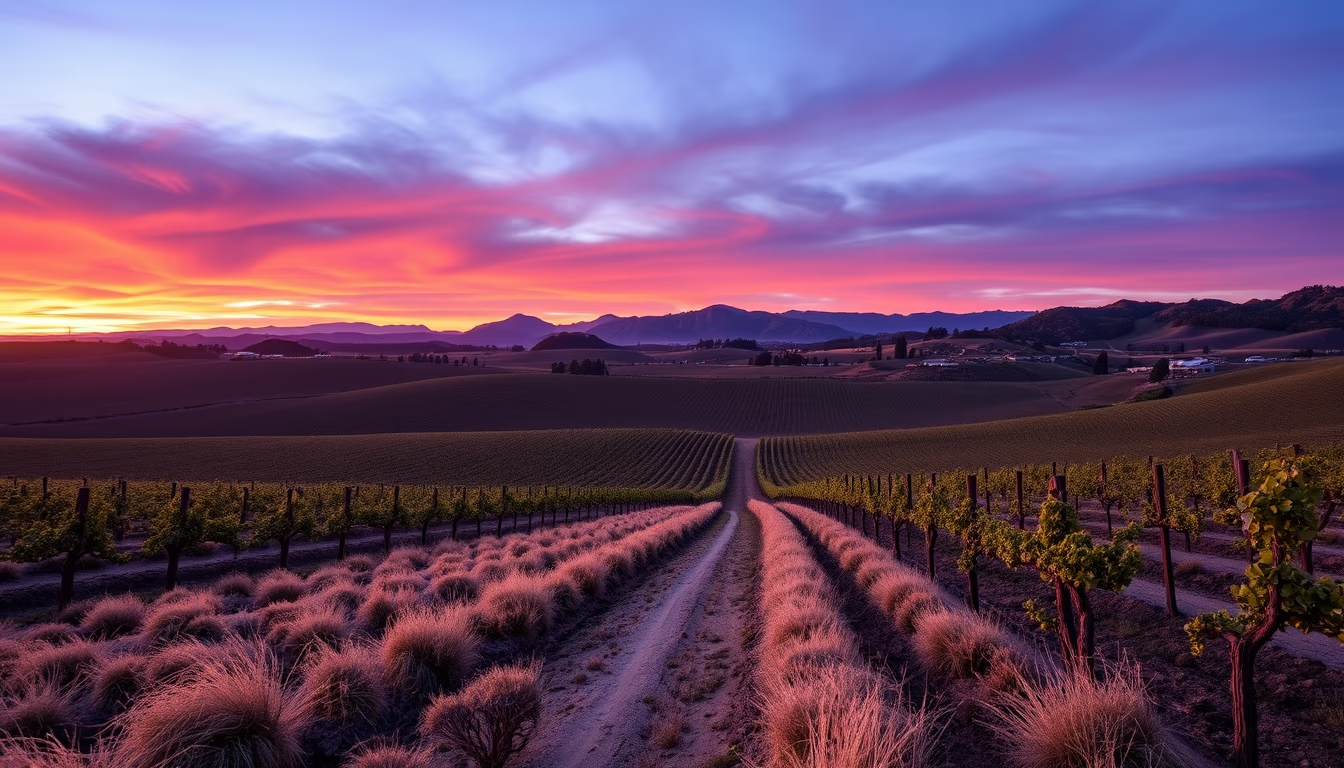
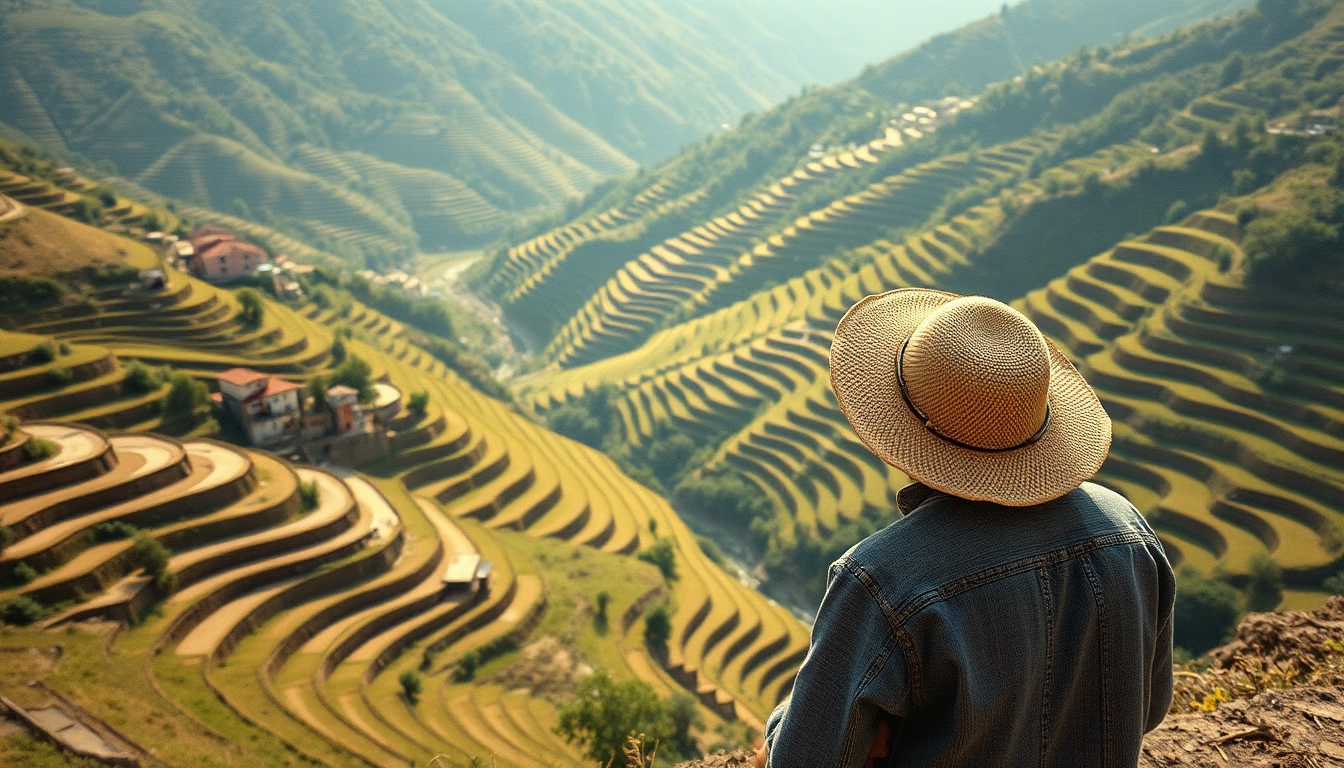
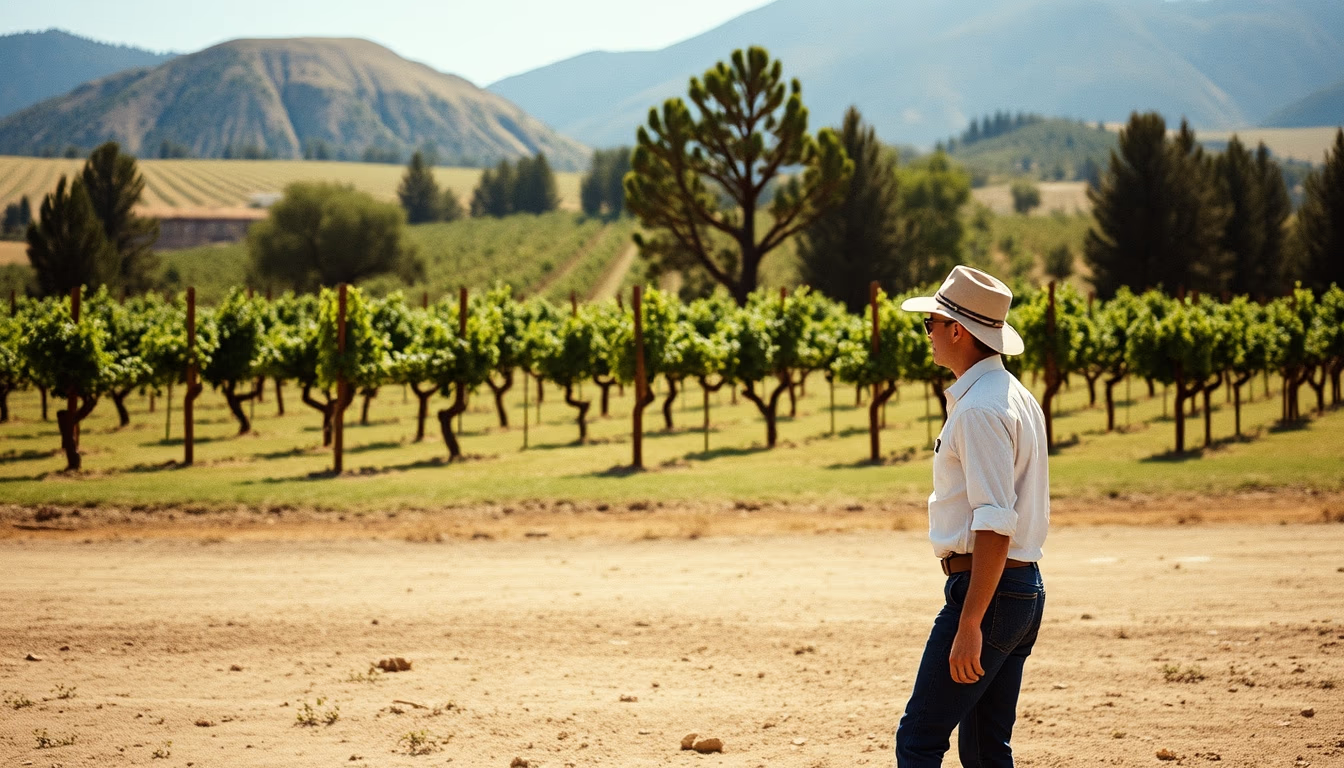
Mendoza argentine vineyard
1344×768 · AVIF · CC BY 4.0

Mendoza, at the foot of the Andes, is the heart of Argentine wine production, accounting for over 70% of the country's wine.
About this subject
Mendoza is the leading wine-producing region in Argentina, located in the central-west part of the country at the foot of the Andes Mountains. The altitude of the vineyards, ranging from 600 to 1,200 meters above sea level, provides a wide temperature variation between day and night, ideal for grape cultivation. This condition favors the production of full-bodied red wines, especially the Malbec variety, which has become the country's emblematic grape.
Wine culture in Mendoza dates back to the 16th century when Spanish colonizers brought the first vines. However, it was during the 19th century, with European immigration (mainly Italian and Spanish), that viticulture expanded. Today, the province has over 1,200 wineries, from small family-run bodegas to large international conglomerates.
Wine tourism is a key economic pillar of Mendoza. Wine routes such as the Ruta del Vino in Luján de Cuyo and the Uco Valley attract visitors from around the world for tastings, guided tours, and gastronomic experiences. In addition, the stunning landscape, with snow-capped mountains in the background and rows of vines, is a major draw. The irrigation of the vineyards relies on canals that channel meltwater from the Andes, an ingenious system developed over centuries.
Mendoza's wine production goes beyond Malbec. Other grapes cultivated include Cabernet Sauvignon, Syrah, Bonarda, and Torrontés, the latter for aromatic white wines. The region is known for its high-quality wines that compete in international markets. Events such as the Fiesta de la Vendimia, held annually in March, celebrate the harvest and local wine culture.
Frequently Asked Questions
Why is Mendoza famous for wine?
Mendoza is famous for producing high-quality wines, especially Malbec, due to its unique altitude, diurnal temperature variation, and alluvial soils. The region accounts for over 70% of Argentine wine.
What is the most cultivated grape in Mendoza?
The most cultivated grape is Malbec, which adapted perfectly to Mendoza's climate and soil. Other important varieties include Cabernet Sauvignon, Syrah, Bonarda, and Torrontés.
What is the best time to visit Mendoza's vineyards?
The best time is during the harvest season, from February to April, when the Fiesta de la Vendimia takes place. However, the mild climate allows visits year-round, with autumn (March to May) offering colorful landscapes.
Direct URL
https://pub-c7d6a6ea828543ac903a74a341ccb2e1.r2.dev/imagens/mendoza-argentine-vineyard-fish-eye-wide-angle-fresh2.avifHow to credit
Include a visible link back to UtilizAí. Copy one of the snippets below:
<a href="https://xn--utiliza-eza.com/en/midia/imagens/mendoza-argentine-vineyard-fish-eye-wide-angle-fresh2">Mendoza argentine vineyard</a> by <a href="https://xn--utiliza-eza.com">UtilizAí</a>, licensed under <a href="https://creativecommons.org/licenses/by/4.0/">CC BY 4.0</a>.
[Mendoza argentine vineyard](https://xn--utiliza-eza.com/en/midia/imagens/mendoza-argentine-vineyard-fish-eye-wide-angle-fresh2) by [UtilizAí](https://xn--utiliza-eza.com), CC BY 4.0
License: CC-BY-4.0