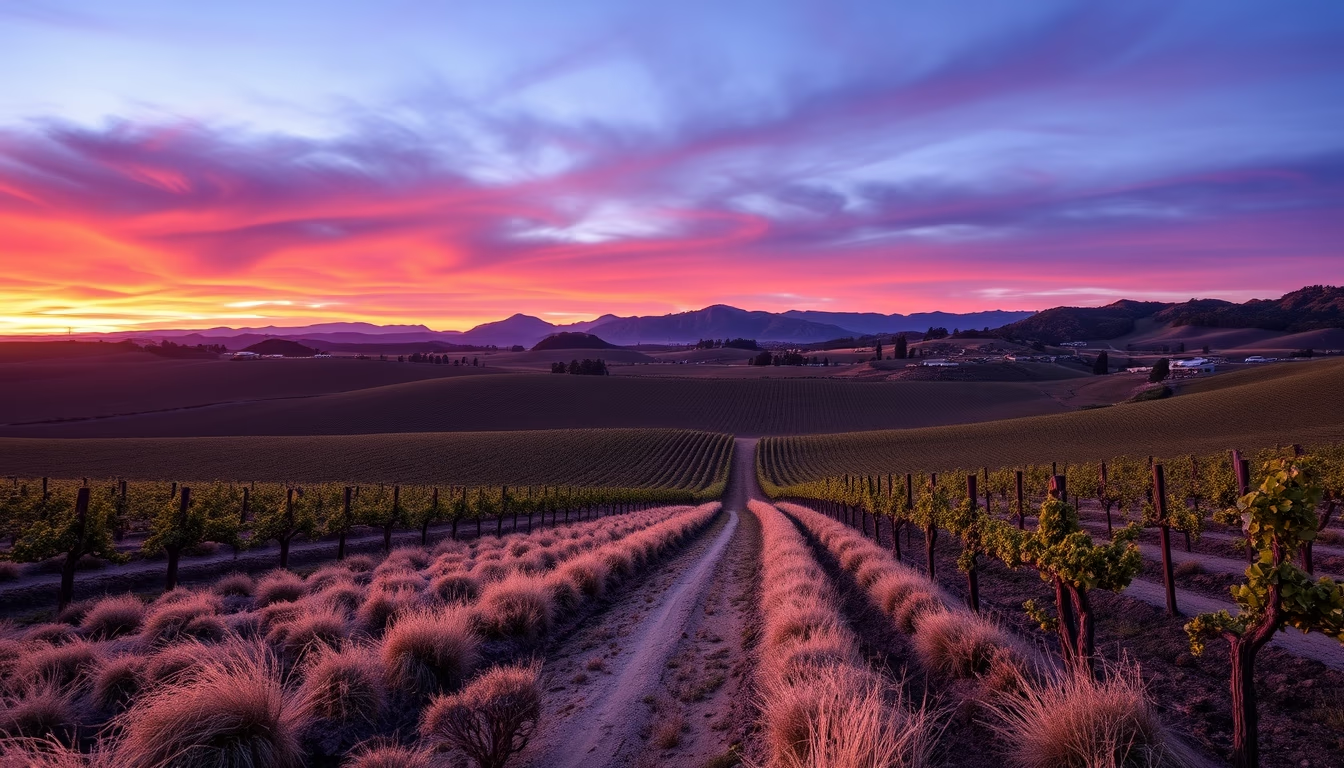
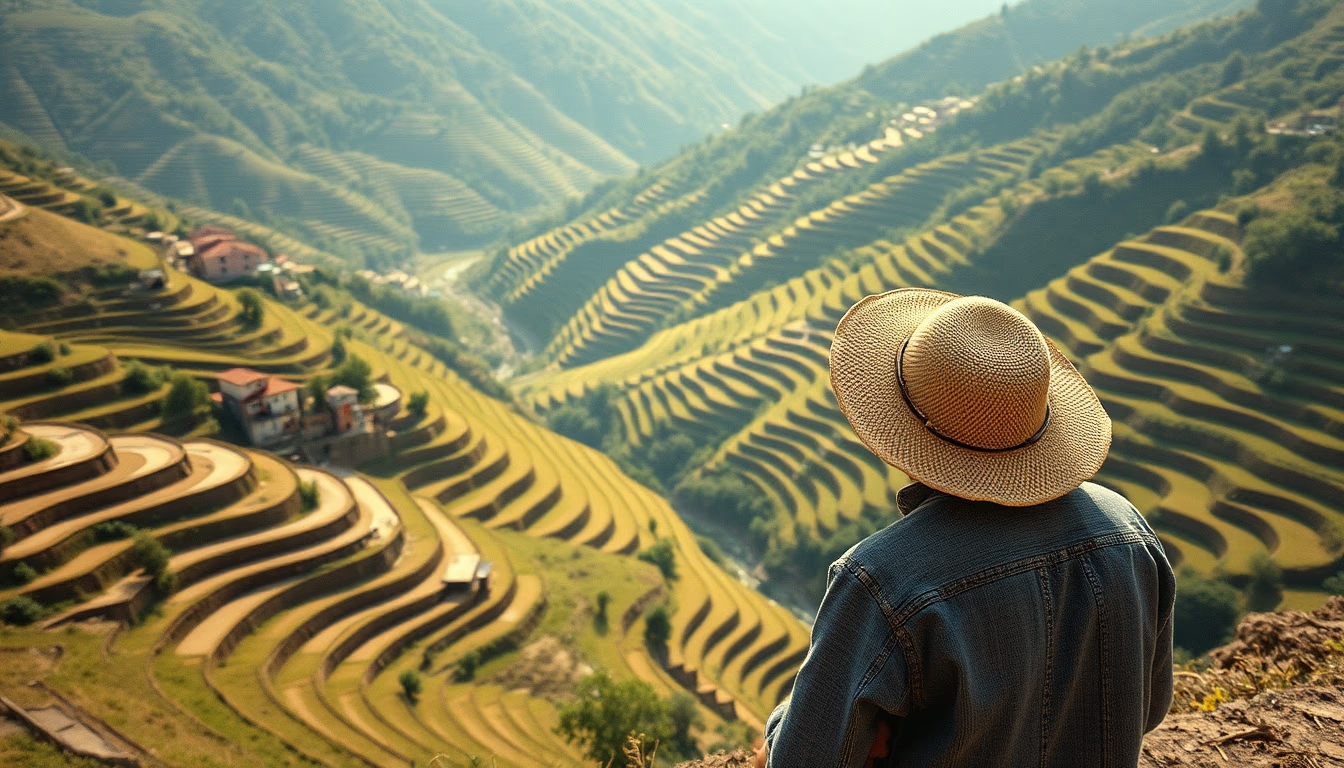
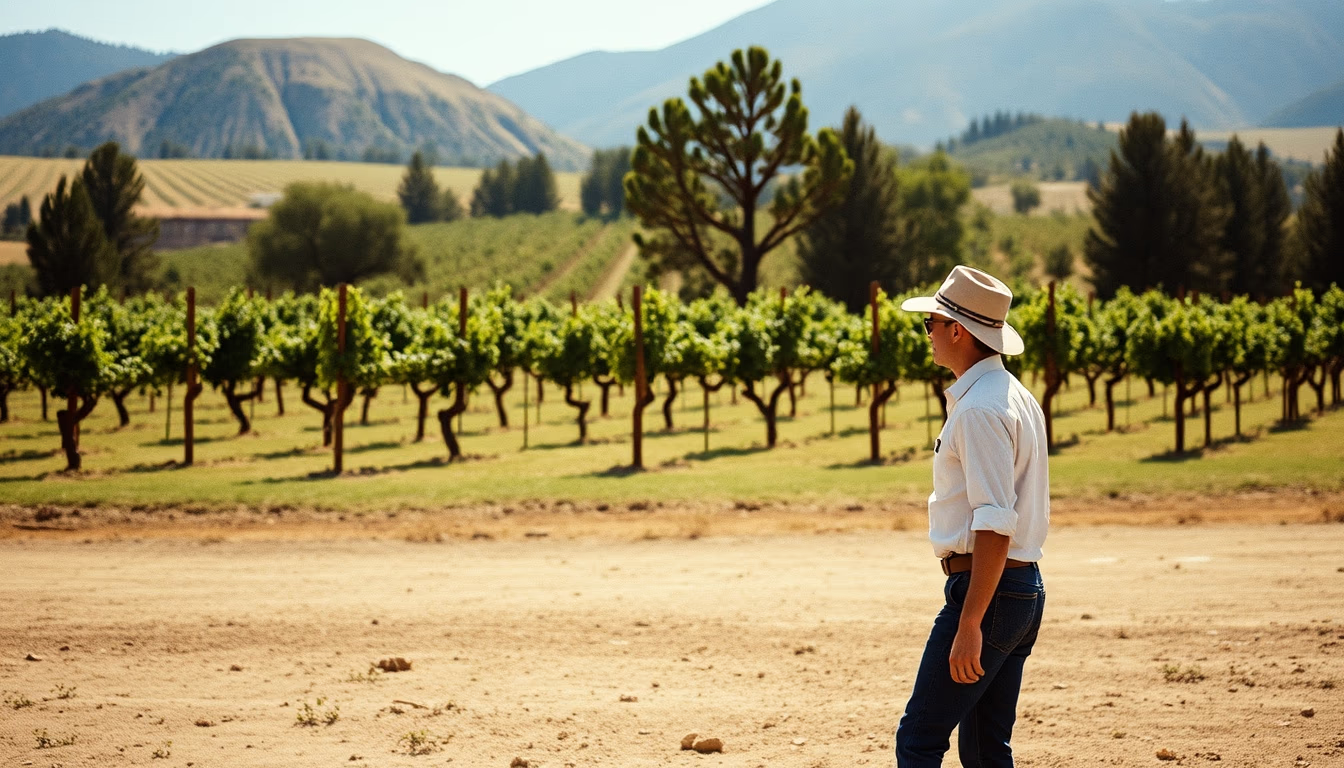
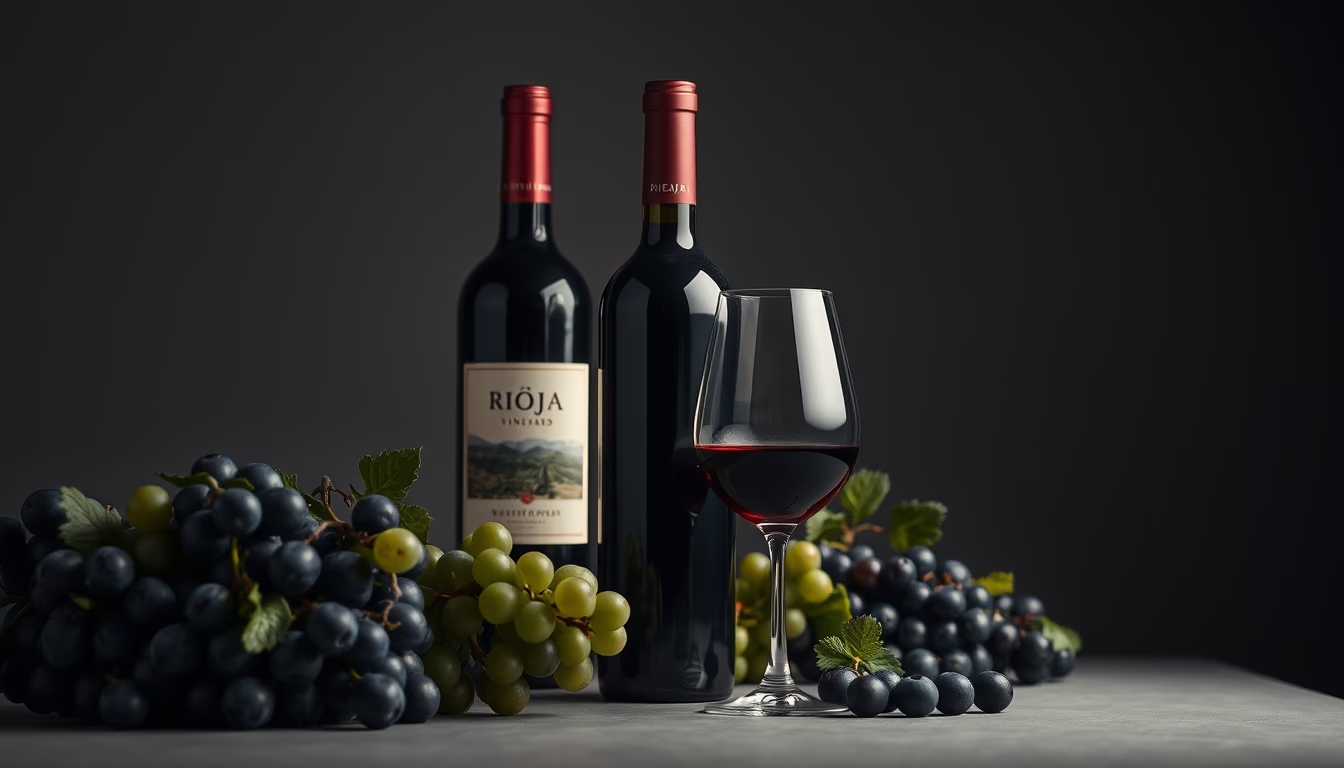
Mendoza argentine vineyard
1344×768 · AVIF · CC BY 4.0
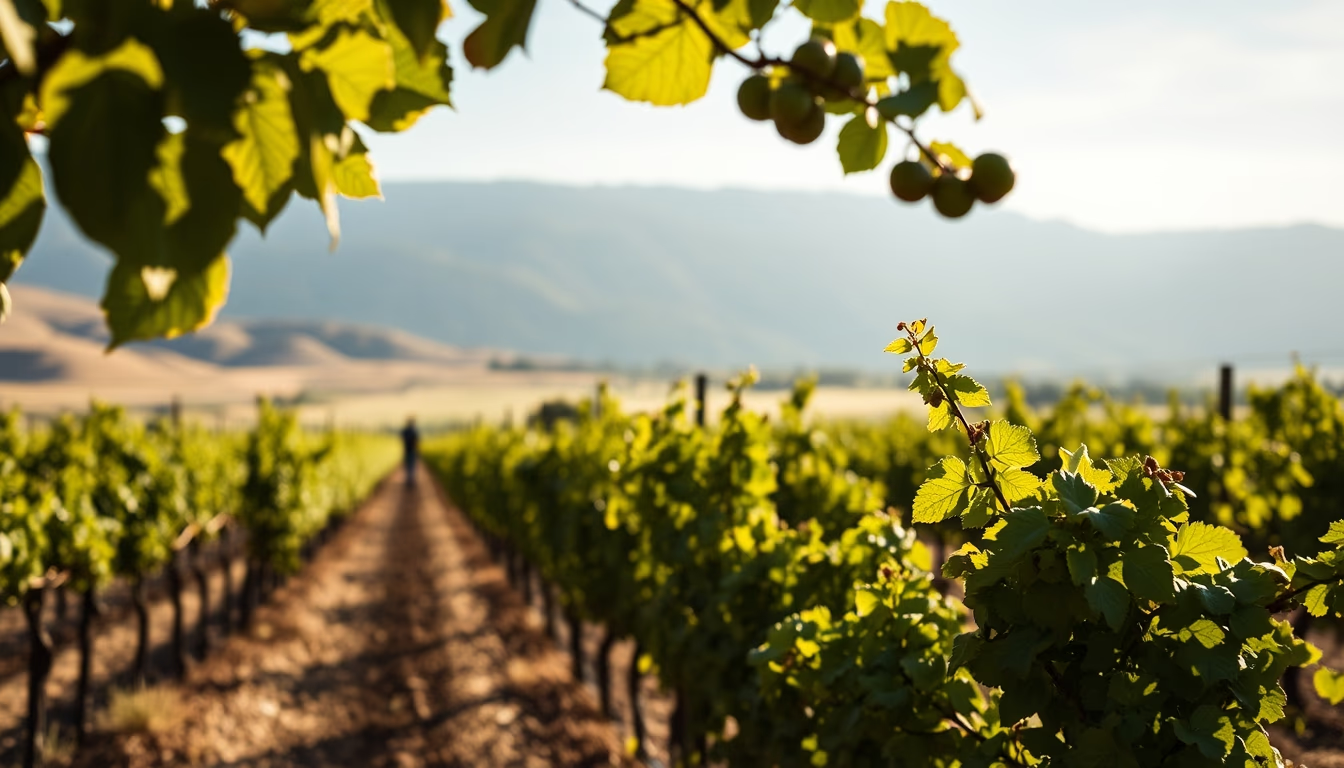
Mendoza is the heart of Argentine winemaking, globally renowned for its high-altitude Malbecs grown at the foot of the Andes.
About this subject
Mendoza accounts for about 70% of Argentina's wine production, making it the country's most important wine region and one of the most prestigious in South America. Located in western Argentina at the foot of the Andes, its vineyards span altitudes from 600 to 1,100 meters above sea level. This altitude, combined with a dry desert climate and irrigation from Andean snowmelt, creates ideal conditions for high-quality grapes, especially Malbec.
Winemaking in Mendoza began in the 16th century with Spanish colonizers, but modern development came in the 19th century with European immigrants (Italians and French). Malbec, originally from Bordeaux, thrived in Mendoza's terroir, developing softer tannins and intense dark fruit flavors. Today, Malbec is the flagship grape, along with Cabernet Sauvignon, Torrontés (white), Bonarda, and Syrah.
The region is divided into main subregions: Luján de Cuyo (Argentina's first appellation), Maipú, and the Uco Valley, the latter with vineyards up to 1,500 m. Each subregion imparts distinct characteristics to the wines. The Zonda, a hot, dry wind from the Andes, helps control pests and concentrate grape sugars. Wine tourism has boomed in recent decades, with modern and rustic wineries offering tours and tastings, boosting the local economy.
Interestingly, Mendoza produces high-altitude and organic wines recognized globally, winning awards in international competitions. Harvest occurs between February and April, and the Harvest Festival (Fiesta de la Vendimia) is a major cultural event attracting thousands. Mendoza's wine is not just a beverage but a symbol of Argentine identity.
Frequently Asked Questions
Why is Mendoza's Malbec so famous?
The high altitude, dry climate, and large diurnal temperature range allow Malbec to develop soft tannins, intense color, and ripe fruit flavors, resulting in balanced, complex wines recognized worldwide.
What is the best time to visit wineries in Mendoza?
The best time is during harvest from February to April, when the Fiesta de la Vendimia takes place. The weather is mild and the landscapes are green. Autumn also offers pleasant temperatures and fewer tourists.
What other grapes are grown in Mendoza besides Malbec?
Besides Malbec, notable grapes include Cabernet Sauvignon, Torrontés (aromatic white), Bonarda, Syrah, Merlot, and Chardonnay. Each adapts to different altitudes and subregions.
Direct URL
https://pub-c7d6a6ea828543ac903a74a341ccb2e1.r2.dev/imagens/mendoza-argentine-vineyard-fine-art-photography-fresh11.avifHow to credit
Include a visible link back to UtilizAí. Copy one of the snippets below:
<a href="https://xn--utiliza-eza.com/en/midia/imagens/mendoza-argentine-vineyard-fine-art-photography-fresh11">Mendoza argentine vineyard</a> by <a href="https://xn--utiliza-eza.com">UtilizAí</a>, licensed under <a href="https://creativecommons.org/licenses/by/4.0/">CC BY 4.0</a>.
[Mendoza argentine vineyard](https://xn--utiliza-eza.com/en/midia/imagens/mendoza-argentine-vineyard-fine-art-photography-fresh11) by [UtilizAí](https://xn--utiliza-eza.com), CC BY 4.0
License: CC-BY-4.0