Mendoza argentine vineyard
1344×768 · AVIF · CC BY 4.0
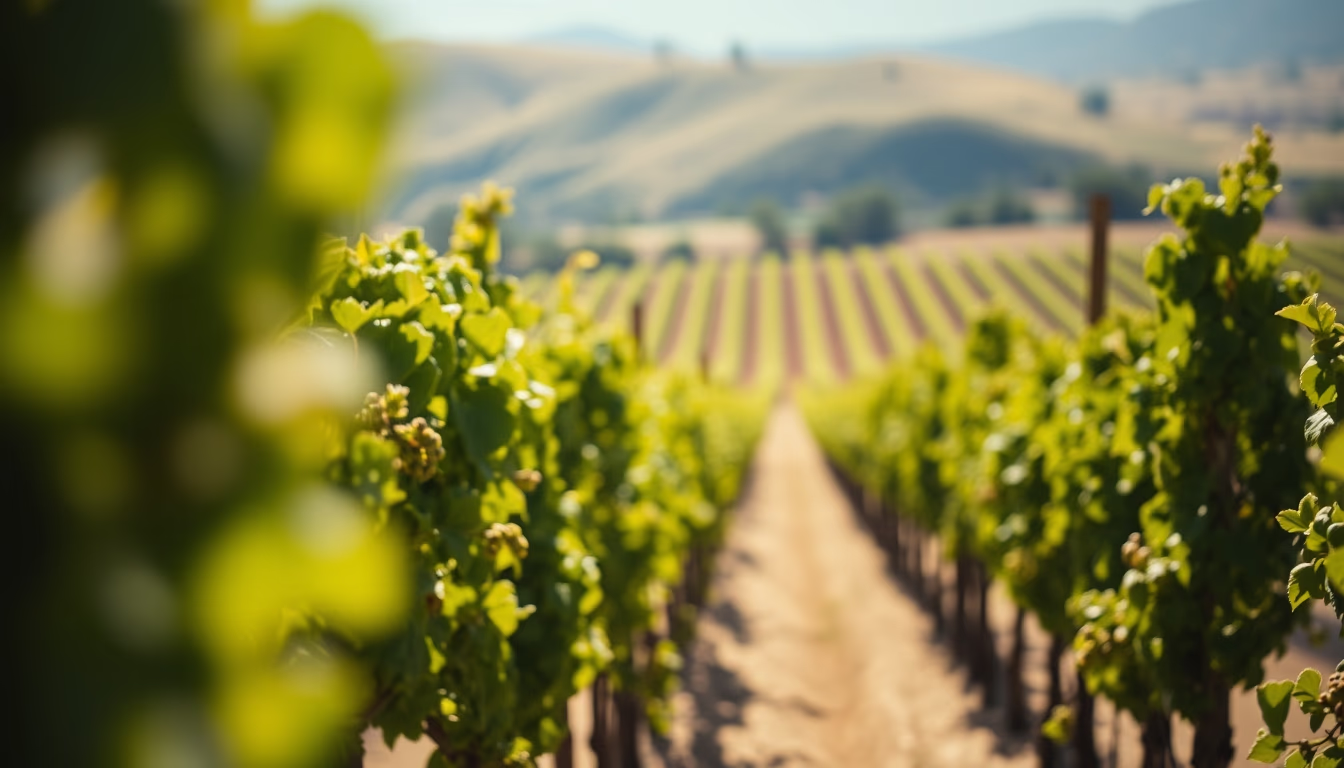
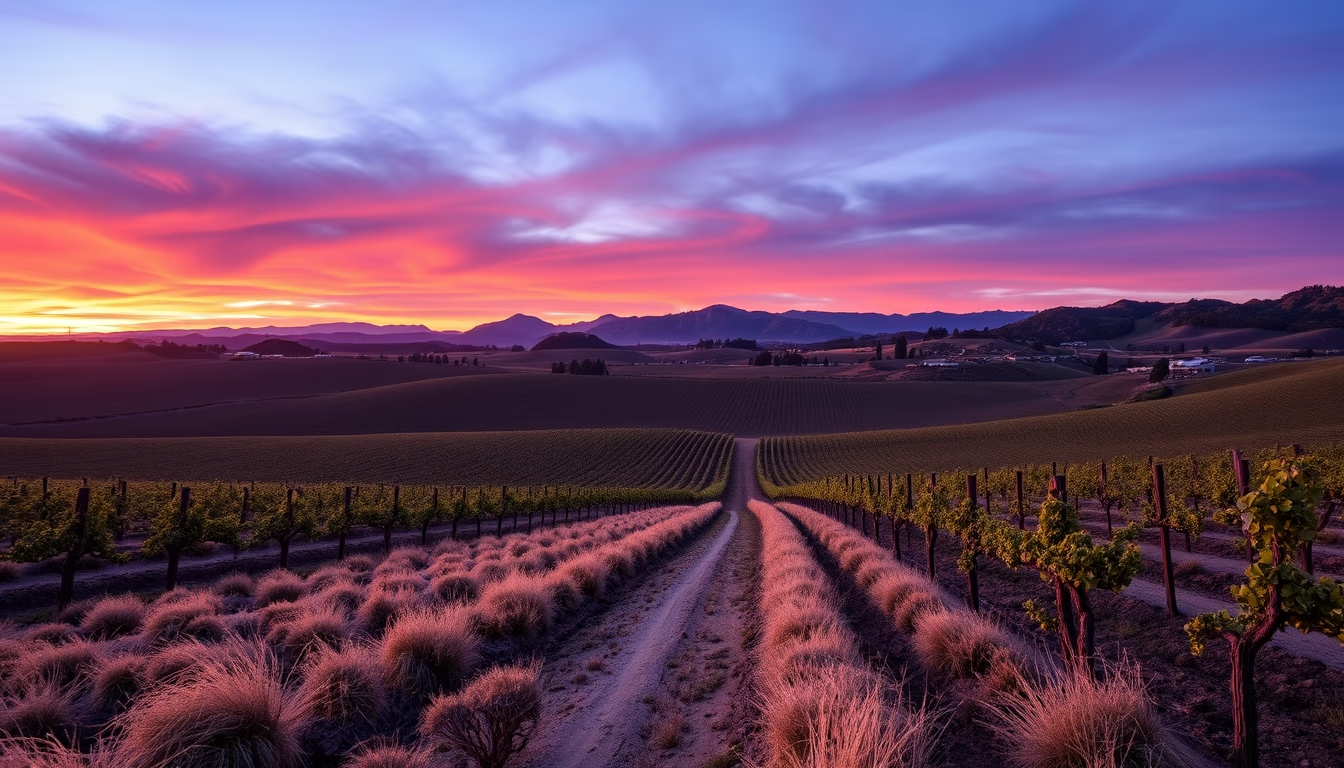
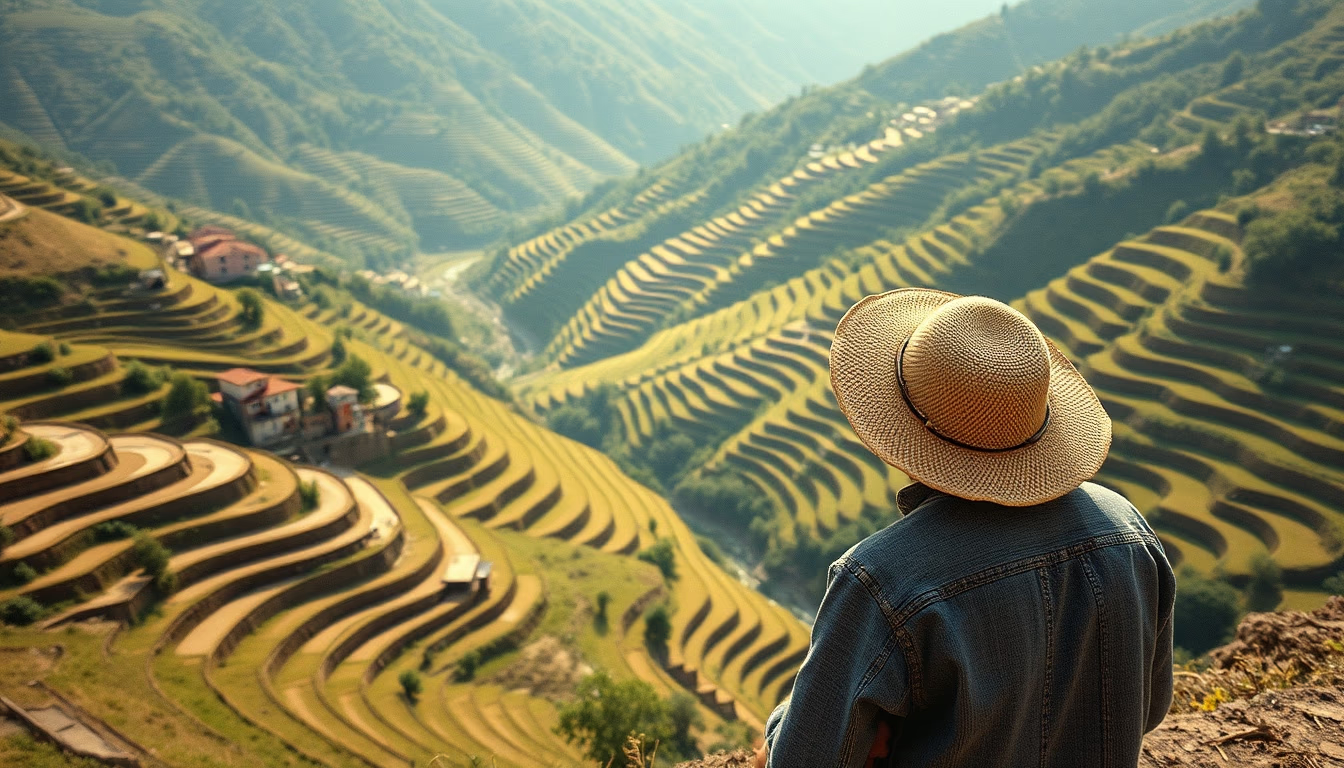
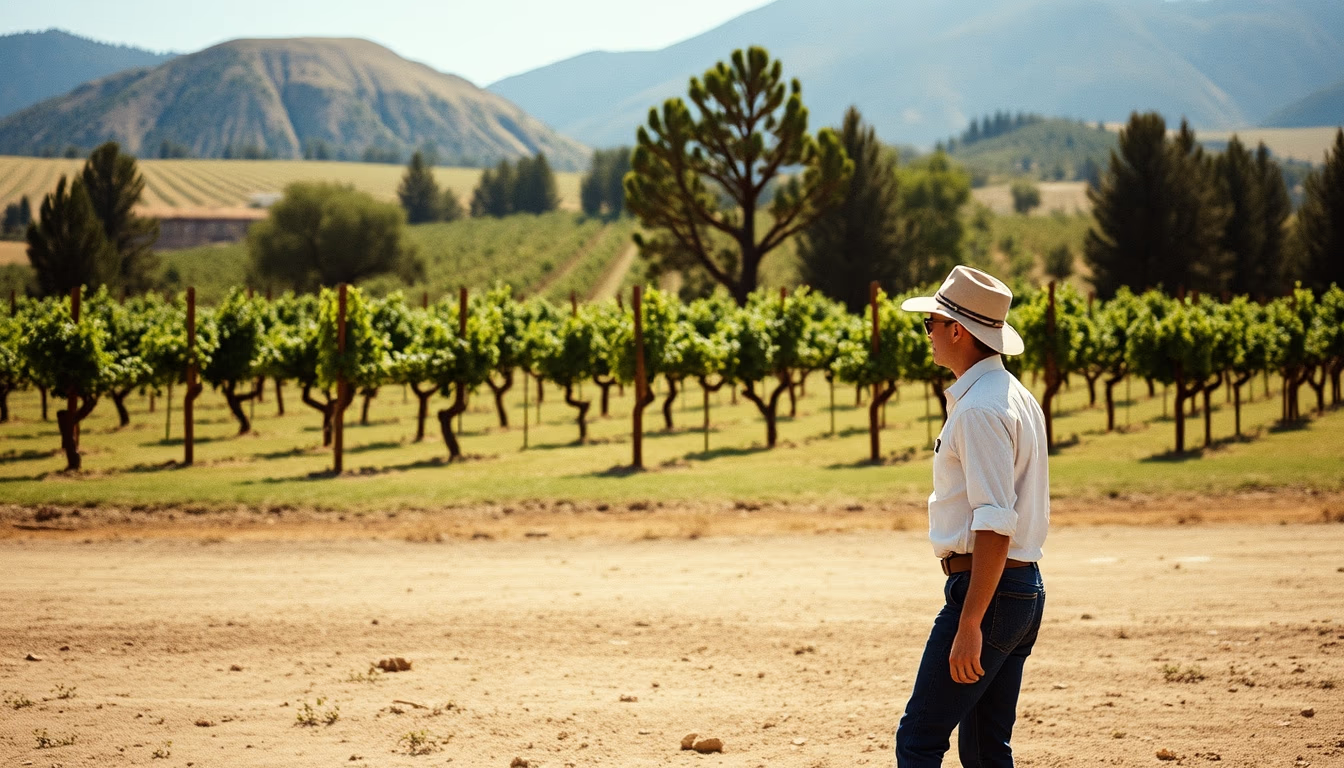
Mendoza's vineyards, at the foot of the Andes, produce renowned Argentine Malbec in high-altitude soils.
About this subject
Mendoza is Argentina's largest wine-producing region, accounting for about 70% of the country's total wine output. The vineyards stretch from the foothills of the Andes to fertile plains, at elevations between 600 and 1,200 meters above sea level. This high altitude, combined with a semi-arid climate, sunny days, and cool nights, creates a thermal amplitude that favors sugar accumulation and maintains acidity in the grapes. Irrigation is primarily from Andean snowmelt, channeled through ancient canals developed by indigenous peoples and later improved by settlers.
Malbec, originally from Cahors, France, found its ideal terroir in Mendoza. Today, over 75% of Argentine Malbec is grown here, with emphasis on the sub-regions of Luján de Cuyo and Valle de Uco. The former has been recognized as a Denominación de Origen Controlada since 1993, producing full-bodied, tannic wines. Valle de Uco, at altitudes above 1,000 meters, results in more elegant and fresh Malbecs. Besides Malbec, the region cultivates Bonarda, Cabernet Sauvignon, and Syrah.
Mendoza's winemaking history began with Jesuit missionaries in the 16th century, but it was in the 19th century that French agronomist Michel Aimé Pouget introduced noble varieties, including Malbec. Since then, the region has undergone modernization, adopting drip irrigation systems and controlled winemaking techniques. Wine tourism is a key economic pillar: over 800 wineries are open to visitors, many with contemporary architecture and high-end restaurants. The vineyard landscape against the backdrop of the Andes is one of Argentina's most photographed postcards.
Frequently Asked Questions
What is the ideal altitude for growing vines in Mendoza?
The ideal altitude ranges from 600 to 1,200 meters above sea level. Higher altitudes provide greater thermal amplitude, favoring balanced acidity and finer tannins in the grapes.
Why did Malbec adapt so well to the region?
Mendoza's semi-arid climate, sandy soils, and intense sunlight replicate ideal conditions for the variety, allowing full maturation without losing freshness. The altitude also enhances aroma and color concentration.
What is the best time to visit the vineyards of Mendoza?
From March to May (autumn) is harvest season, with golden landscapes and mild temperatures. Spring (September to November) is also pleasant, with vineyards in bloom and fewer tourists.
Direct URL
https://pub-c7d6a6ea828543ac903a74a341ccb2e1.r2.dev/imagens/mendoza-argentine-vineyard-documentary-photography-fresh5.avifHow to credit
Include a visible link back to UtilizAí. Copy one of the snippets below:
<a href="https://xn--utiliza-eza.com/en/midia/imagens/mendoza-argentine-vineyard-documentary-photography-fresh5">Mendoza argentine vineyard</a> by <a href="https://xn--utiliza-eza.com">UtilizAí</a>, licensed under <a href="https://creativecommons.org/licenses/by/4.0/">CC BY 4.0</a>.
[Mendoza argentine vineyard](https://xn--utiliza-eza.com/en/midia/imagens/mendoza-argentine-vineyard-documentary-photography-fresh5) by [UtilizAí](https://xn--utiliza-eza.com), CC BY 4.0
License: CC-BY-4.0