Mendoza argentine vineyard
1344×768 · AVIF · CC BY 4.0
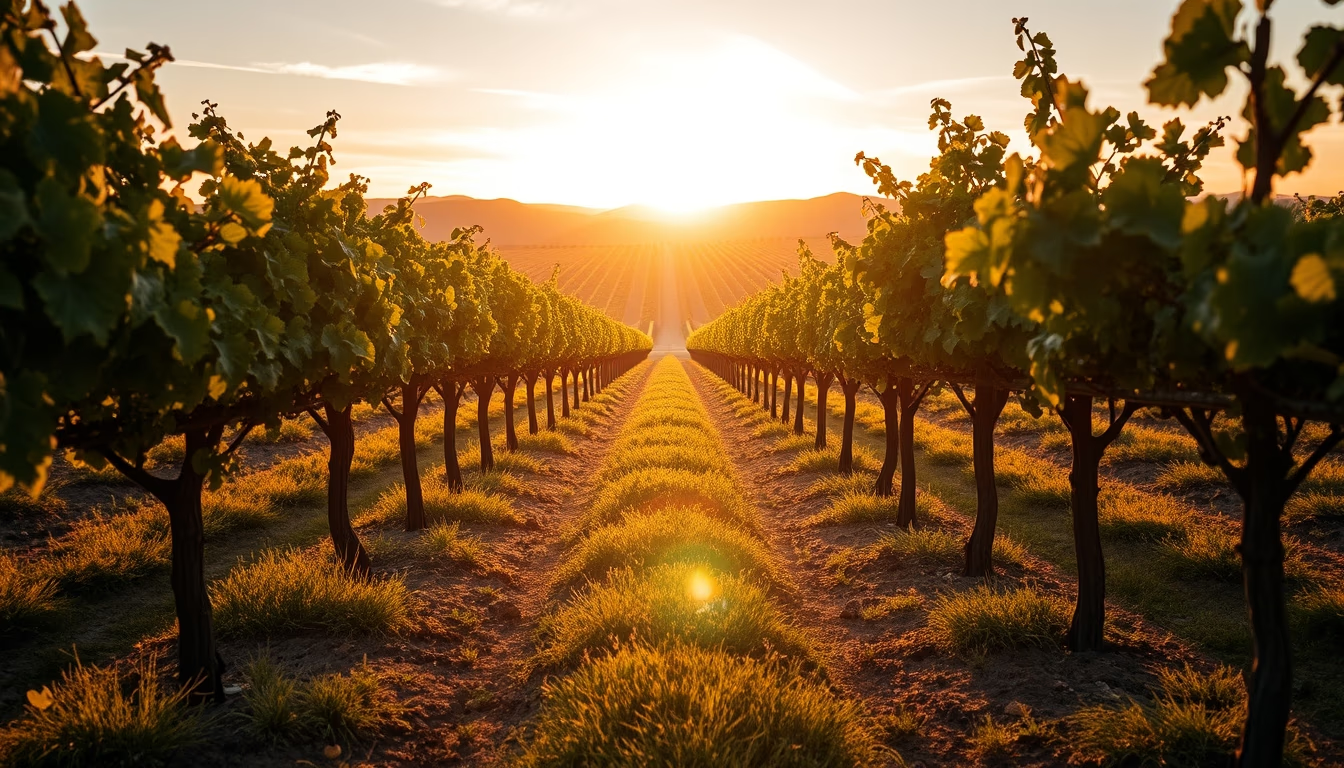
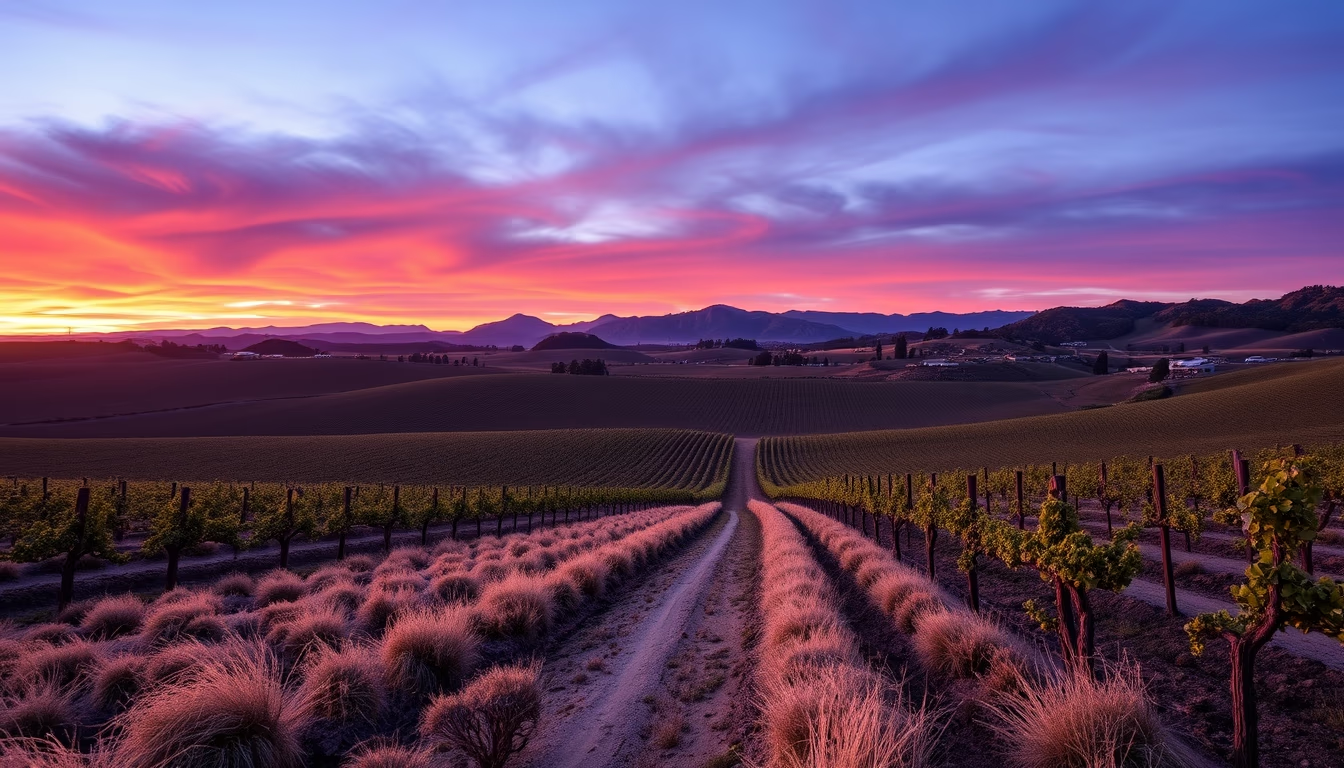
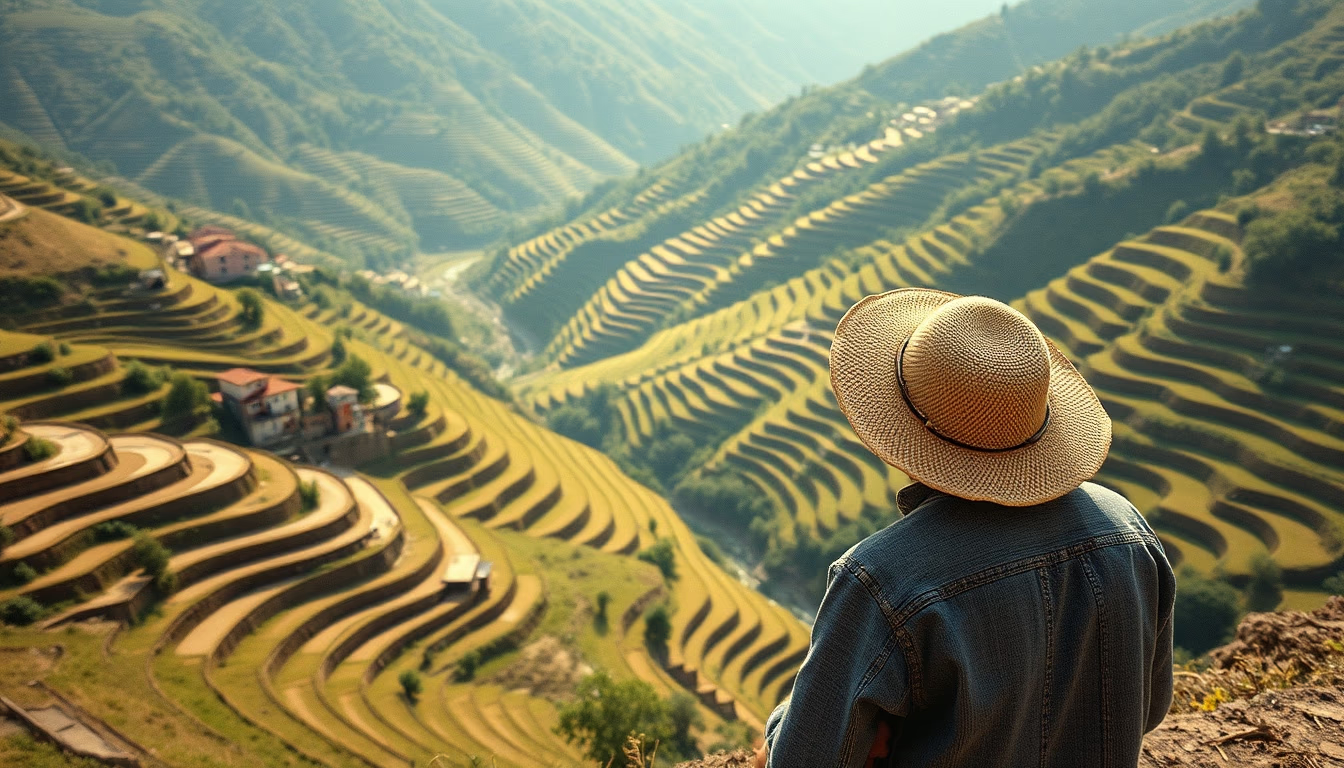
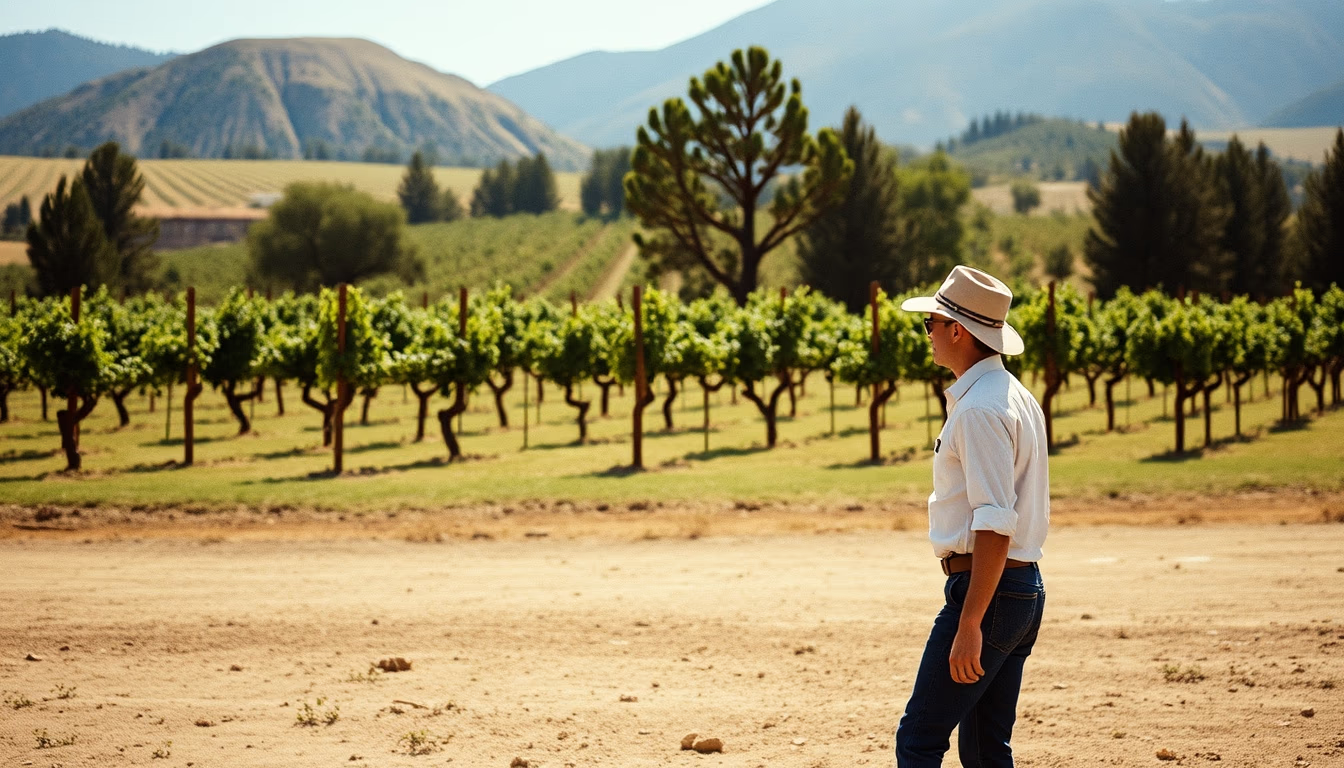
Mendoza, Argentina, hosts the largest wine region in Latin America, renowned for its high-altitude Malbec wines and stunning landscapes at the foot of the Andes.
About this subject
Mendoza is the heart of Argentine viticulture, accounting for about 70% of the country's wine production. Situated east of the Andes mountain range, the region benefits from altitudes ranging from 600 to 1,100 meters above sea level, which provide ideal thermal amplitude for grape ripening. The climate is continental semiarid, with hot summers and cold winters, and irrigation relies mainly on snowmelt from the Andes, ensuring quality water. The main variety grown is Malbec, which has found an exceptional terroir in Mendoza, producing full-bodied and aromatic wines. Other notable varieties include Cabernet Sauvignon, Syrah, and Torrontés.
Mendoza's winemaking history dates back to the 16th century when Spanish colonizers planted the first vines. However, it was in the late 19th century, with the arrival of Italian and French immigrants, that production gained scale and quality. Today, the region is divided into sub-regions such as Luján de Cuyo, Maipú, and Valle de Uco, each with unique soil and climate characteristics. Luján de Cuyo was the first Denomination of Origin in Argentina, created in 1989, and is known for its elegant Malbecs. The Valle de Uco, higher and cooler, produces complex and fresh wines.
A notable climatic phenomenon is the 'Zonda' wind, a hot, dry wind that descends from the Andes, capable of rapidly altering temperatures. For growers, the Zonda can be a challenge, as it accelerates grape ripening, requiring careful management. Another interesting point is the wine route, a tourist circuit that visits historic and modern wineries, attracting visitors from around the world. Wine culture is so ingrained that Mendoza annually celebrates the Fiesta Nacional de la Vendimia, a harvest festival featuring parades, shows, and tastings, drawing thousands of people.
Frequently Asked Questions
Why is Mendoza's wine so famous?
Mendoza is famous for its high-quality Malbec wines, produced at high altitudes that provide concentration and freshness. The combination of alluvial soil, dry climate, and glacial meltwater creates ideal conditions for full-bodied red wines.
What is the average altitude of vineyards in Mendoza?
Vineyards in Mendoza are located between 600 and 1,100 meters above sea level. This altitude variation directly influences the wine profile, with higher elevations delivering greater thermal amplitude and fresher wines.
What is the Zonda wind and how does it affect viticulture?
The Zonda is a hot, dry wind that descends from the Andes, rapidly raising temperatures. In viticulture, it accelerates grape ripening, requiring early harvesting and careful management to avoid loss of acidity.
Direct URL
https://pub-c7d6a6ea828543ac903a74a341ccb2e1.r2.dev/imagens/mendoza-argentine-vineyard-cinematic-wide-shot-fresh6.avifHow to credit
Include a visible link back to UtilizAí. Copy one of the snippets below:
<a href="https://xn--utiliza-eza.com/en/midia/imagens/mendoza-argentine-vineyard-cinematic-wide-shot-fresh6">Mendoza argentine vineyard</a> by <a href="https://xn--utiliza-eza.com">UtilizAí</a>, licensed under <a href="https://creativecommons.org/licenses/by/4.0/">CC BY 4.0</a>.
[Mendoza argentine vineyard](https://xn--utiliza-eza.com/en/midia/imagens/mendoza-argentine-vineyard-cinematic-wide-shot-fresh6) by [UtilizAí](https://xn--utiliza-eza.com), CC BY 4.0
License: CC-BY-4.0