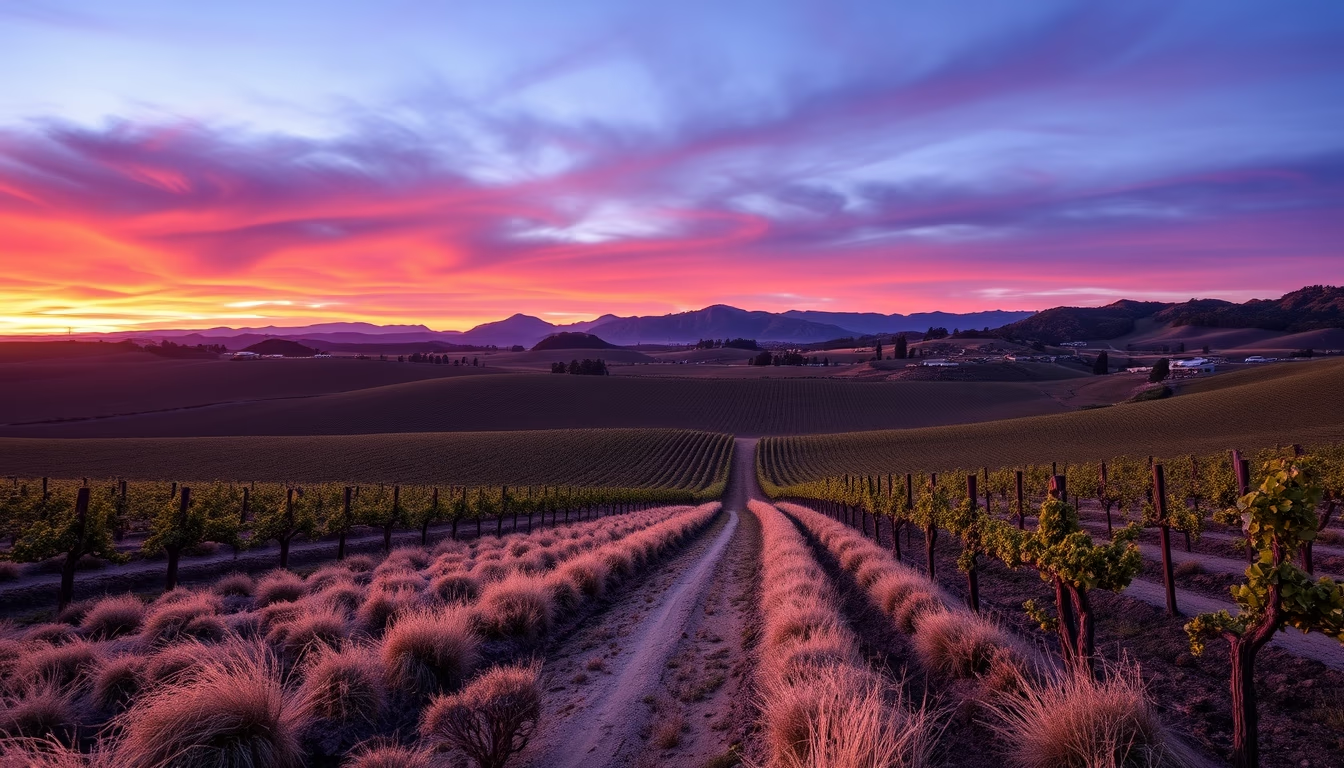
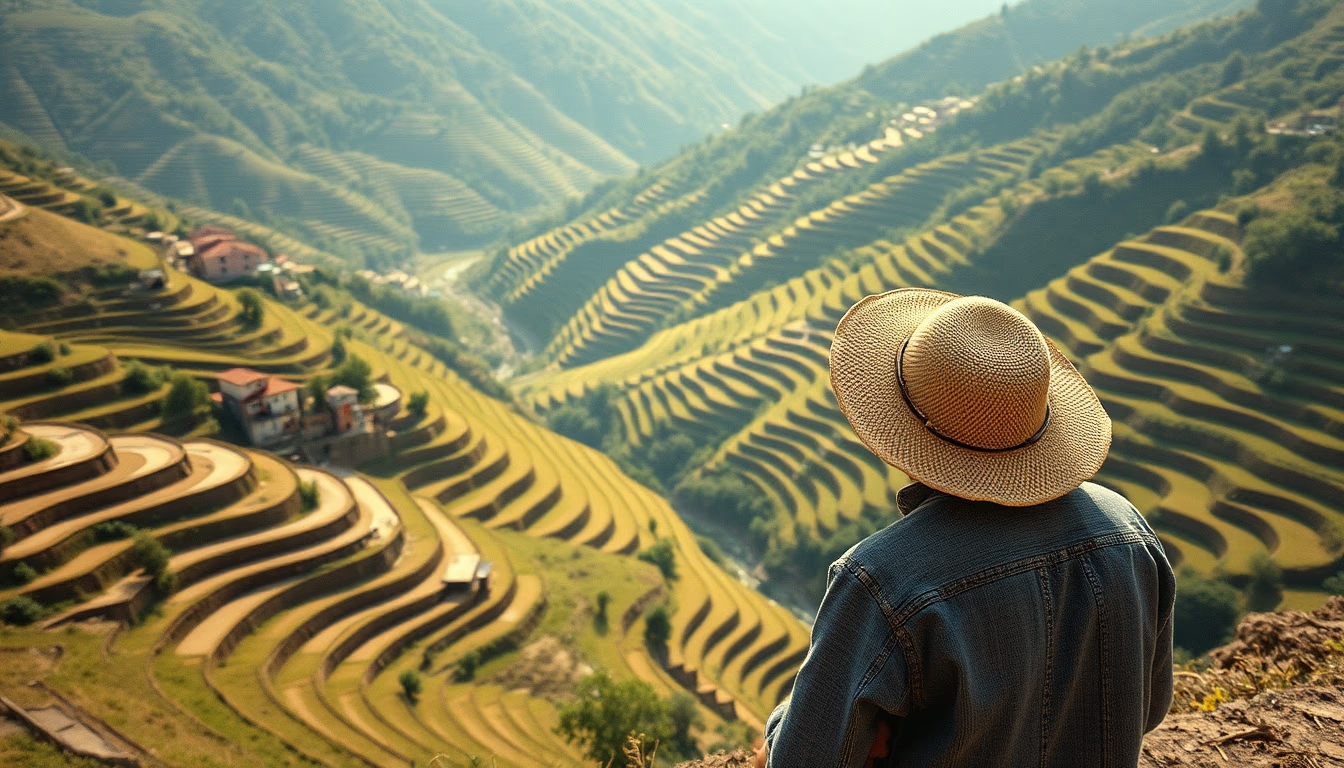
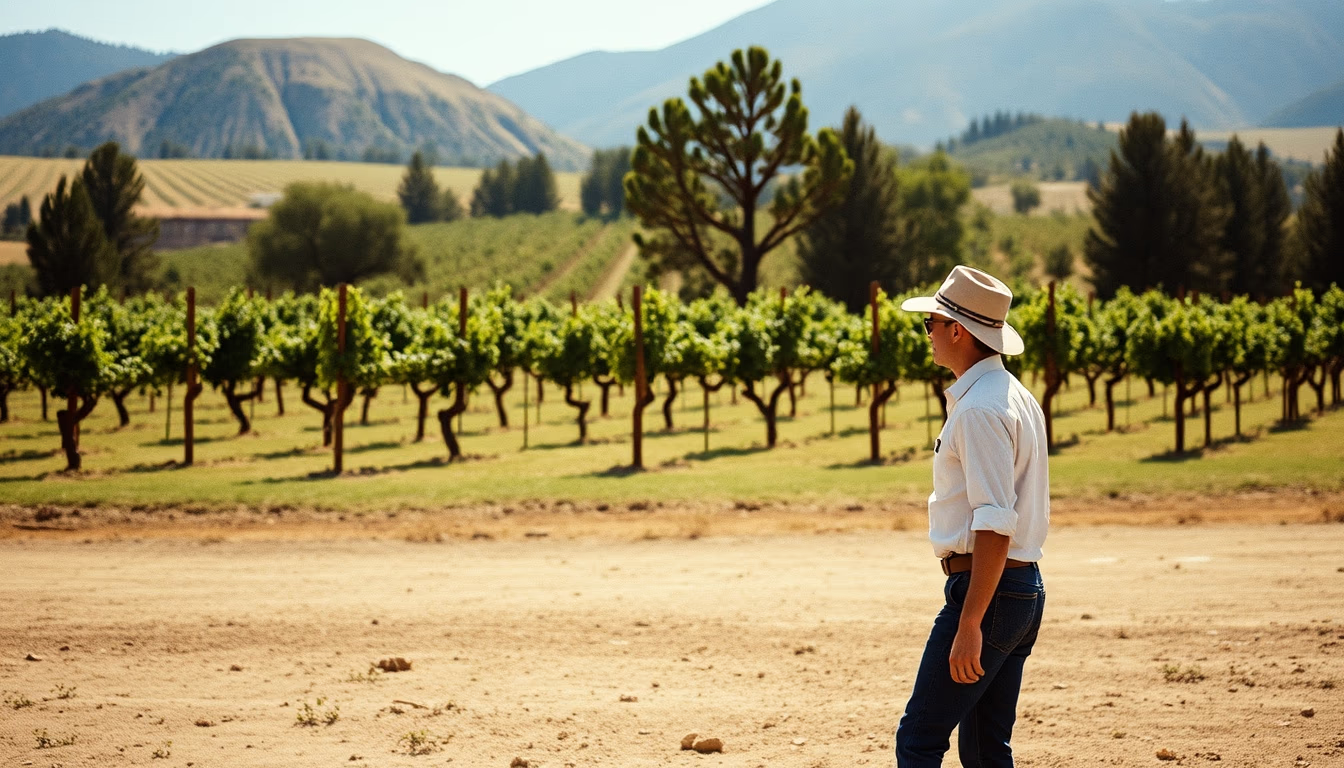
Mendoza argentine vineyard
1344×768 · AVIF · CC BY 4.0
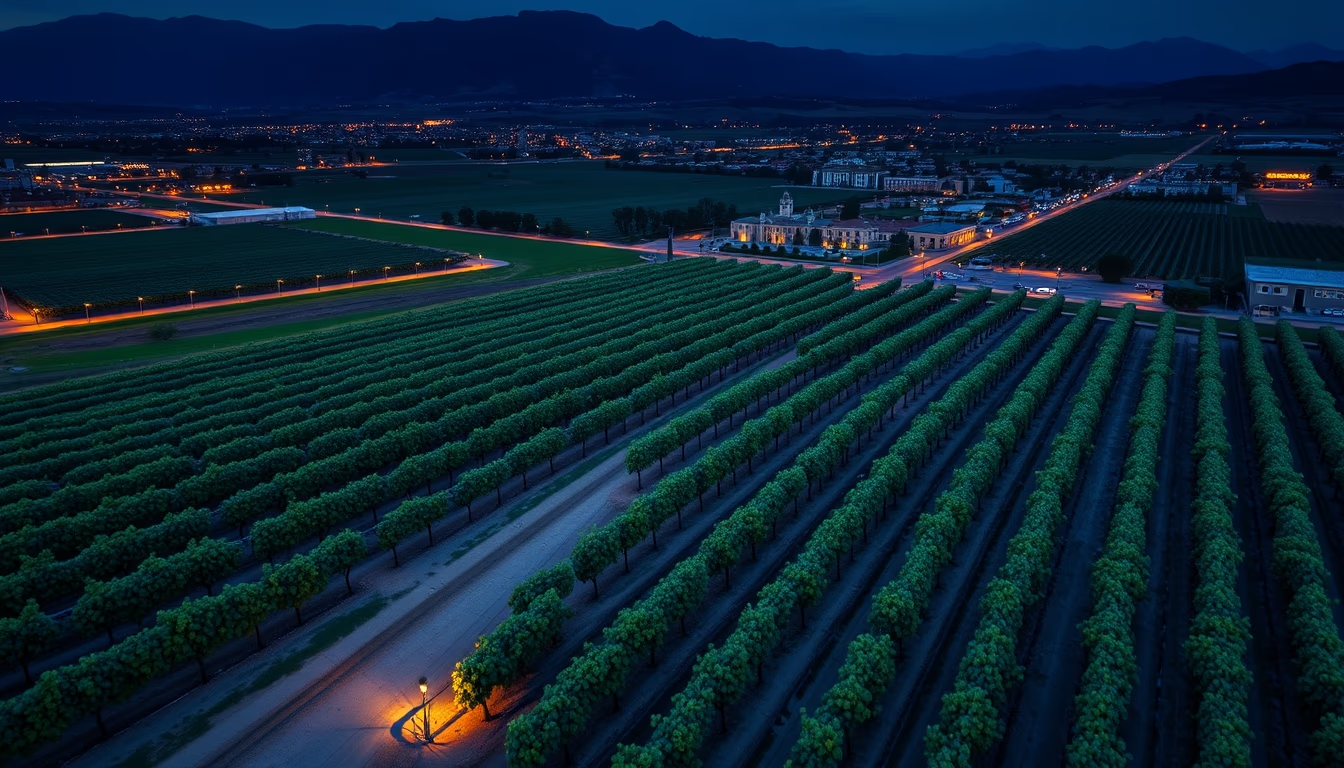
An aerial view of the Mendoza vineyards reveals the vast grape cultivation at the foot of the Andes mountain range in western Argentina.
About this subject
Mendoza is the leading wine region of Argentina, accounting for approximately 70% of the country's wine production. Located east of the Andes mountain range, at altitudes between 600 and 1,200 meters, the area benefits from high sunlight and temperature swings that favor grape ripening. The semi-arid continental climate requires artificial irrigation, which is supplied by meltwater from the Andes, creating a unique terroir.
The emblematic grape of Mendoza is Malbec, which found ideal conditions there to achieve global prominence. Originally from France, it was introduced to Argentina in the 19th century and adapted so well that it became the country's signature variety. Mendoza Malbec wines are known for their intense color, smooth tannins, and dark fruit flavors.
In addition to Malbec, other varieties such as Cabernet Sauvignon, Syrah, Bonarda, and Torrontés are cultivated. The region is divided into sub-regions: Valle de Uco, Luján de Cuyo, and Maipú, each with distinct soil and microclimate characteristics. Altitude directly influences sugar concentration and acidity, resulting in high-quality wines.
Mendoza is not only a production region but also a renowned wine tourism destination. The Wine Route attracts visitors from around the world, offering tastings, visits to historic wineries, and stunning vineyard landscapes against the Andes. Sustainability and innovation are also priorities, with many wineries adopting organic and biodynamic practices.
Frequently Asked Questions
Why is Mendoza famous for wines?
Mendoza is Argentina's largest wine region, accounting for 70% of national production. It is especially known for Malbec, which thrives in the high-altitude, dry climate to produce high-quality wines.
What is the ideal altitude for vineyards in Mendoza?
Vines are grown between 600 and 1,200 meters above sea level. High altitude provides cool nights and warm days, which help preserve acidity and develop complex flavors in the grapes.
How is irrigation done in Mendoza, a dry region?
Irrigation is fully controlled and relies on snowmelt from the Andes. Canals and drip systems distribute the water, allowing vineyards to thrive in a semi-arid climate.
Direct URL
https://pub-c7d6a6ea828543ac903a74a341ccb2e1.r2.dev/imagens/mendoza-argentine-vineyard-aerial-drone-shot-fresh8.avifHow to credit
Include a visible link back to UtilizAí. Copy one of the snippets below:
<a href="https://xn--utiliza-eza.com/en/midia/imagens/mendoza-argentine-vineyard-aerial-drone-shot-fresh8">Mendoza argentine vineyard</a> by <a href="https://xn--utiliza-eza.com">UtilizAí</a>, licensed under <a href="https://creativecommons.org/licenses/by/4.0/">CC BY 4.0</a>.
[Mendoza argentine vineyard](https://xn--utiliza-eza.com/en/midia/imagens/mendoza-argentine-vineyard-aerial-drone-shot-fresh8) by [UtilizAí](https://xn--utiliza-eza.com), CC BY 4.0
License: CC-BY-4.0