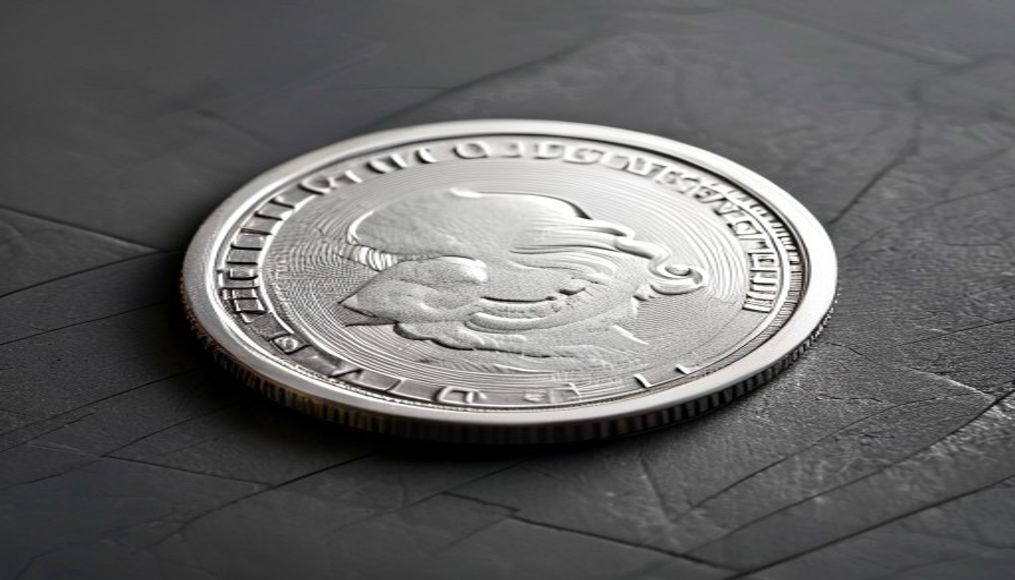
Medieval coin tarnished
1344×768 · AVIF · CC BY 4.0
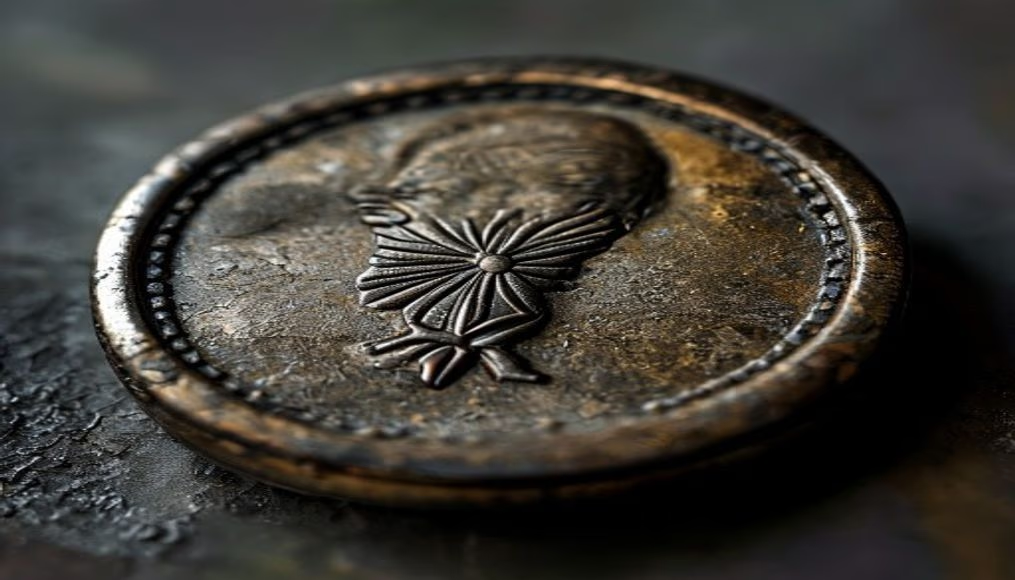
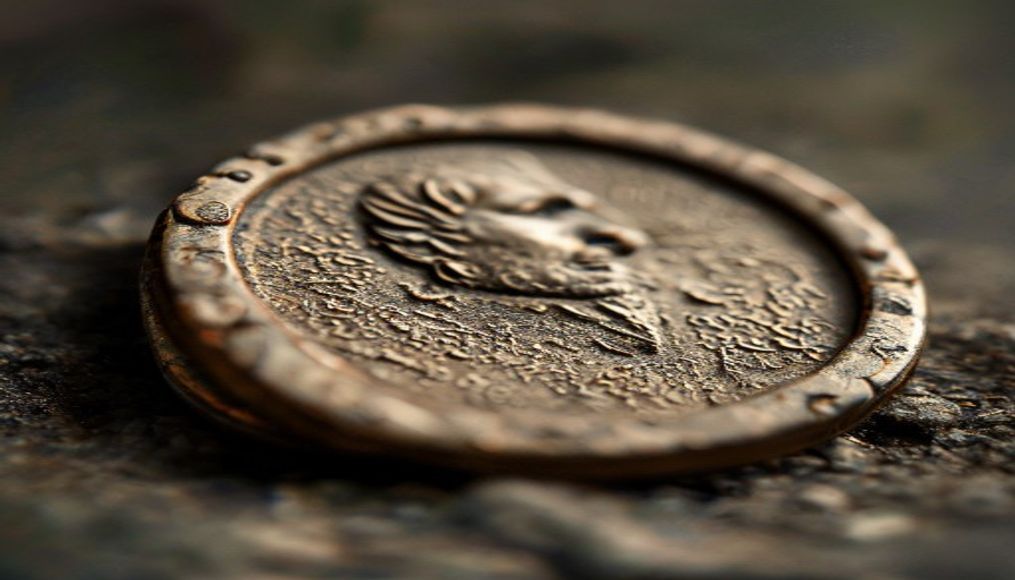
Tarnished medieval coin in close-up, revealing copper's green patina and worn minting details.
About this subject
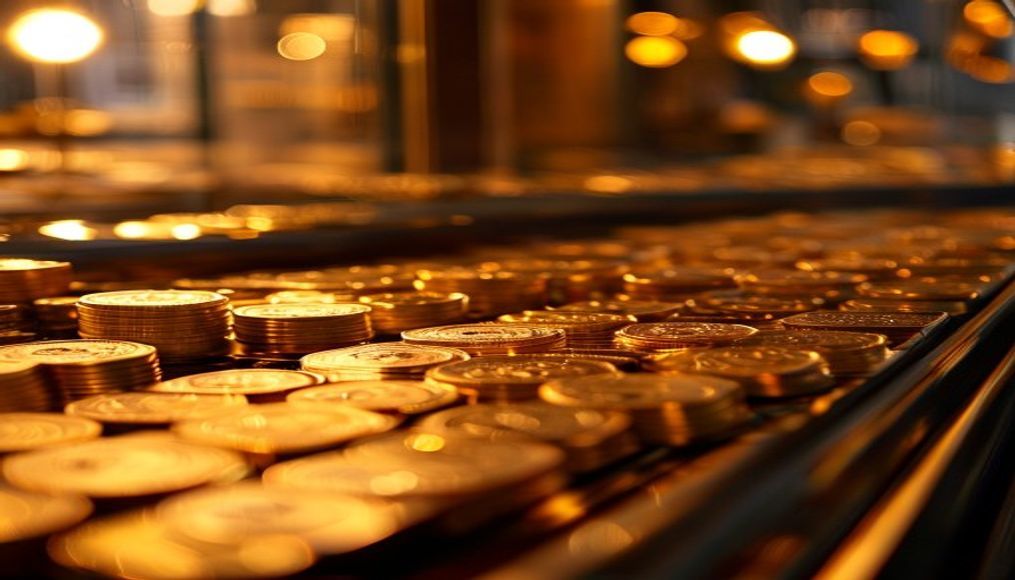
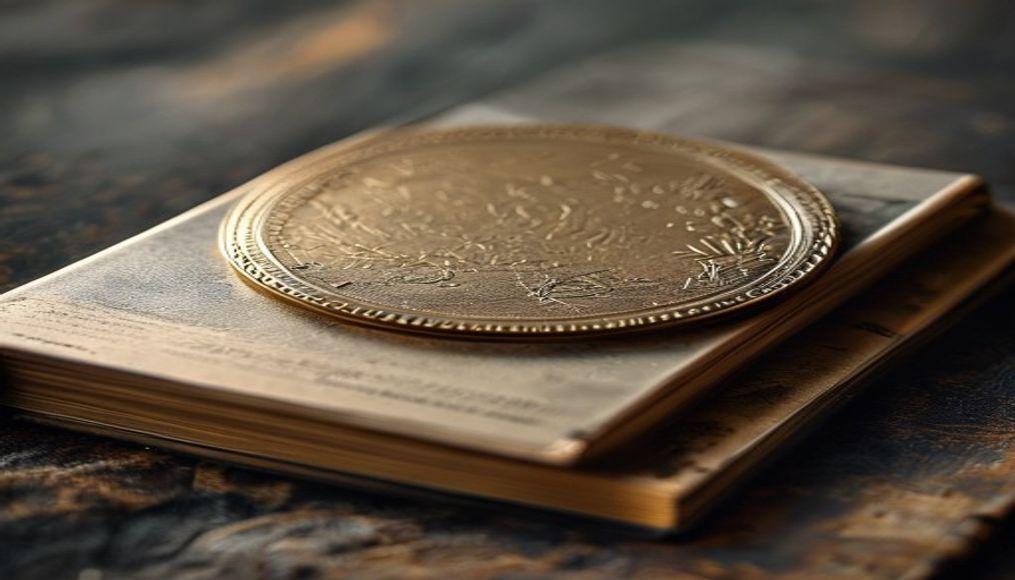
Medieval coins were fundamental financial instruments across Europe from the 5th to 15th centuries, gradually replacing barter systems. Struck mainly in silver, gold, and copper, their weight and purity varied greatly by issuing kingdom. The silver denarius, for instance, was the most common coin in the Carolingian Empire, while Florence's gold florin became an international standard in the late Middle Ages. Production was manual: artisans engraved iron or steel dies, which were hammered onto heated metal discs, a technique known as hammered coinage. This method created irregularities that now aid in authentication.
The oxidation visible on the coin results from centuries of exposure to air, moisture, and soil compounds. The greenish patina typical of copper is formed by basic copper carbonates and sulfates, such as malachite. Although many consider corrosion a sign of degradation, it also protects the underlying metal and often preserves details that would otherwise be lost. In numismatics, patina is valued when uniform and stable, as it indicates genuine age and origin.
Debasement and inflation were common in medieval times. Kings frequently reduced the precious metal content in coinage to fund wars, leading to price increases. This 'debasement' explains why many medieval coins today appear worn or show test marks, small cuts to check metal purity. Collectors and historians study these traces to reconstruct trade routes and economic crises of the era.
Frequently Asked Questions
How to identify an authentic medieval coin?
Check weight, diameter, and thickness, along with features like irregular or serrated edges. Natural patina and asymmetric wear are also indicators. Consult numismatic catalogs or experts to confirm provenance.
Why do medieval coins turn green?
The green color is a patina of copper carbonate that forms when the metal reacts with carbon dioxide, moisture, and oxygen over centuries. This layer protects the inner metal.
What is the value of a tarnished medieval coin?
Value depends on rarity, condition, metal, and historical demand. A common coin in poor condition may be worth tens of dollars, while rare pieces can fetch thousands. Uniform patina usually adds value.
Direct URL
https://pub-c7d6a6ea828543ac903a74a341ccb2e1.r2.dev/imagens/medieval-coin-tarnished-studio-still-life-p0.avifHow to credit
Include a visible link back to UtilizAí. Copy one of the snippets below:
<a href="https://xn--utiliza-eza.com/en/midia/imagens/medieval-coin-tarnished-studio-still-life-p0">Medieval coin tarnished</a> by <a href="https://xn--utiliza-eza.com">UtilizAí</a>, licensed under <a href="https://creativecommons.org/licenses/by/4.0/">CC BY 4.0</a>.
[Medieval coin tarnished](https://xn--utiliza-eza.com/en/midia/imagens/medieval-coin-tarnished-studio-still-life-p0) by [UtilizAí](https://xn--utiliza-eza.com), CC BY 4.0
License: CC-BY-4.0