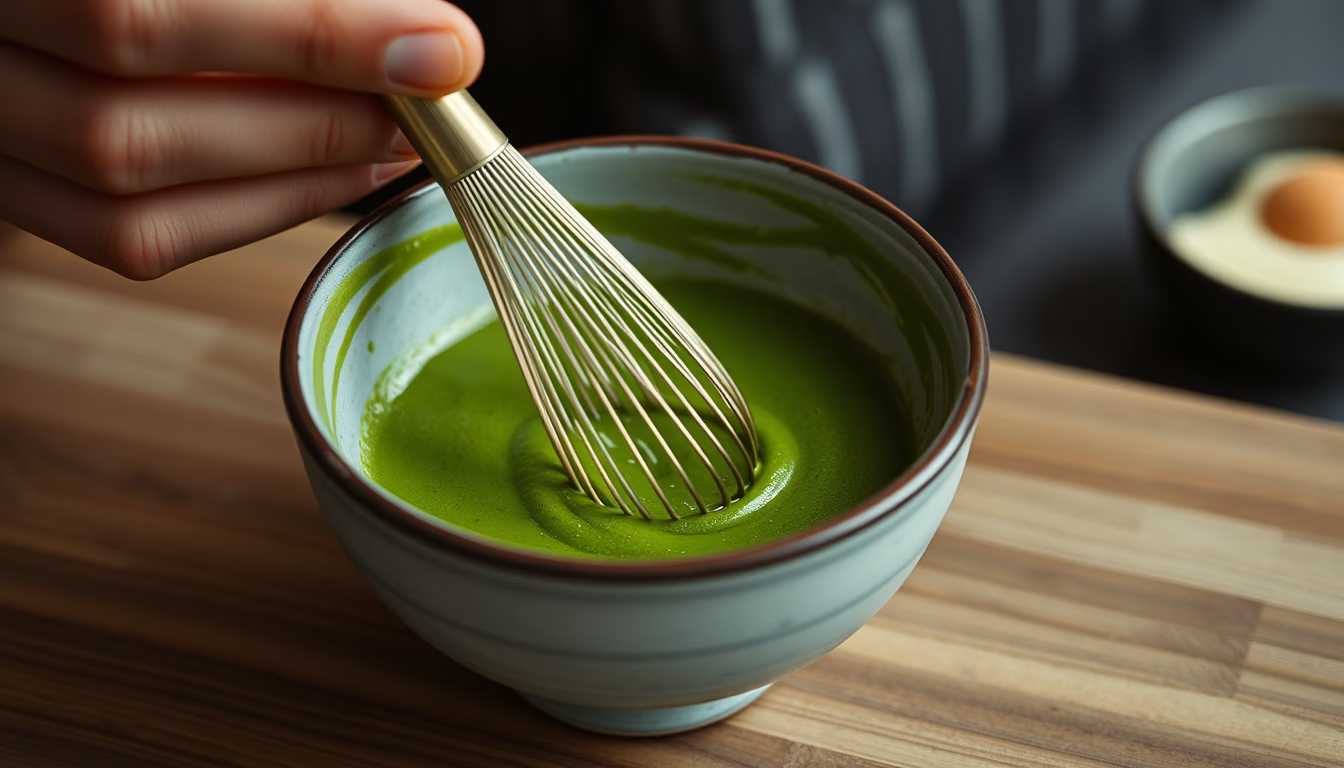
Matcha bowl whisk green
1344×768 · AVIF · CC BY 4.0
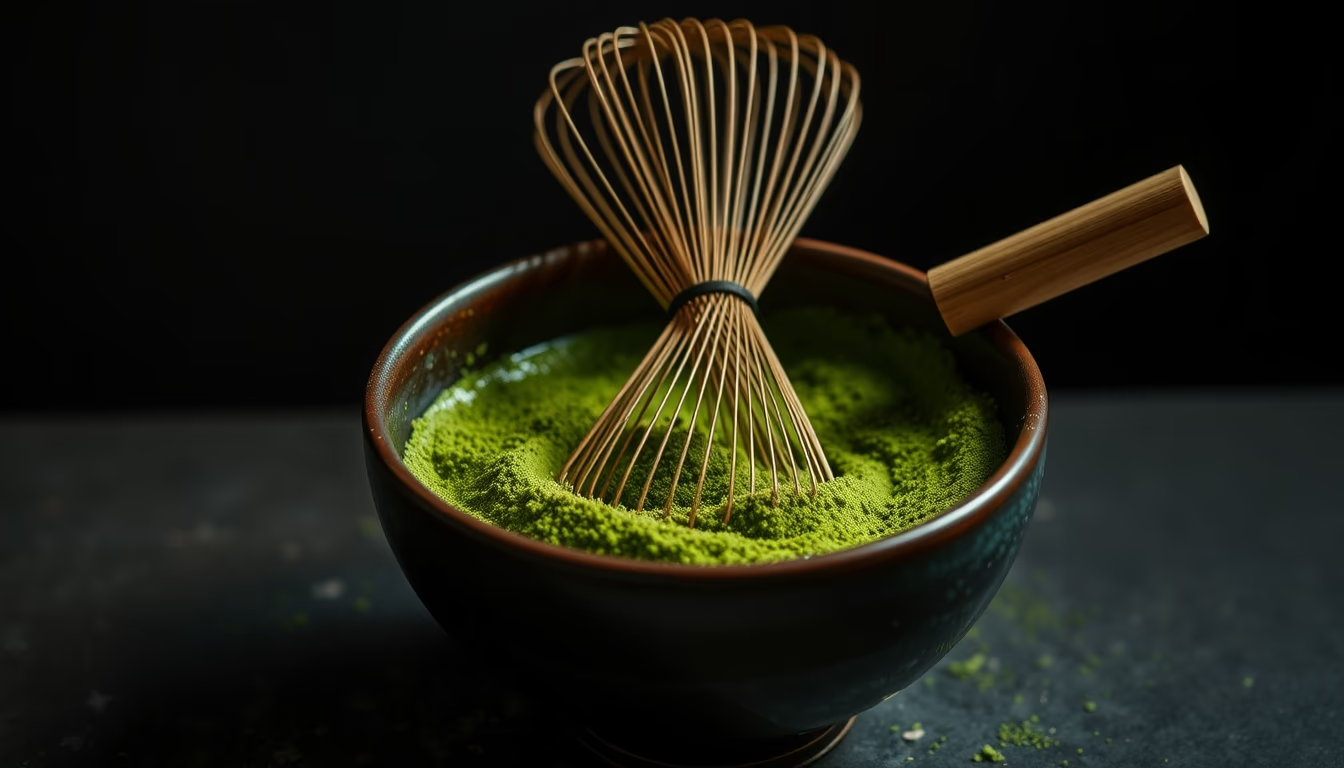
Discover the chawan and chasen, essential utensils of the Japanese tea ceremony, handcrafted to prepare matcha.
About this subject
The chawan (tea bowl) and chasen (bamboo whisk) are central tools in the Japanese tea ceremony, a centuries-old practice blending aesthetics, meditation, and hospitality. Traditional chawan are hand-glazed, often with irregular shapes that embody the wabi-sabi philosophy, embracing imperfection and simplicity. The chasen is carved from a single piece of bamboo, with dozens of fine tines that whisk matcha powder and hot water into a smooth, frothy consistency.
Production of these utensils is highly specialized. The finest chasen come from Takayama, Nara Prefecture, where artisans spend years mastering the craft. Each whisk is hand-cut from dried bamboo, split into thin prongs, then curved and tied with silk thread. The number of tines varies by ceremony style: usucha (thin tea) requires a whisk with 80, 120 tines, while koicha (thick tea) uses one with fewer, usually 40, 60.
Chawan also carry centuries of history. In Japan, tea bowls are often named and treated as artworks. Regional potteries like Raku, Hagi, and Karatsu produce unique pieces, each with distinct textures and colors. The choice of chawan can reflect the season: taller, narrower bowls for winter (to retain heat) and shallower ones for summer.
In high-fashion editorial contexts, the minimalist, ritualistic aesthetic of matcha is frequently used as visual inspiration. The vibrant green matcha contrasts with the dark bamboo of the chasen and the earthy ceramic of the chawan, creating compositions that evoke calm and sophistication. This look has been adopted by luxury brands and photographers as a symbol of oriental elegance and tradition.
Frequently Asked Questions
What is the origin of the chasen and chawan?
The chasen (bamboo whisk) and chawan (tea bowl) originate from the Japanese tea ceremony, influenced by Zen Buddhism. The chasen is traditionally crafted in Takayama, Nara, while chawan come from historic potteries such as Raku and Hagi.
How do you choose a good chawan for matcha?
A good chawan should fit comfortably in the hands and retain heat. Raku ceramics are lightweight and porous, ideal for thick tea. The color and texture should complement the green of matcha, enhancing the visual experience.
How many tines does a traditional chasen have?
The number varies: for usucha (thin tea) 80, 120 tines are used; for koicha (thick tea) 40, 60 tines. Koicha requires fewer tines for a smoother whisking and less foam.
Direct URL
https://pub-c7d6a6ea828543ac903a74a341ccb2e1.r2.dev/imagens/matcha-bowl-whisk-green-high-fashion-editorial-fresh16.avifHow to credit
Include a visible link back to UtilizAí. Copy one of the snippets below:
<a href="https://xn--utiliza-eza.com/en/midia/imagens/matcha-bowl-whisk-green-high-fashion-editorial-fresh16">Matcha bowl whisk green</a> by <a href="https://xn--utiliza-eza.com">UtilizAí</a>, licensed under <a href="https://creativecommons.org/licenses/by/4.0/">CC BY 4.0</a>.
[Matcha bowl whisk green](https://xn--utiliza-eza.com/en/midia/imagens/matcha-bowl-whisk-green-high-fashion-editorial-fresh16) by [UtilizAí](https://xn--utiliza-eza.com), CC BY 4.0
License: CC-BY-4.0